Transitioning Your Body Moisturizer for the Season
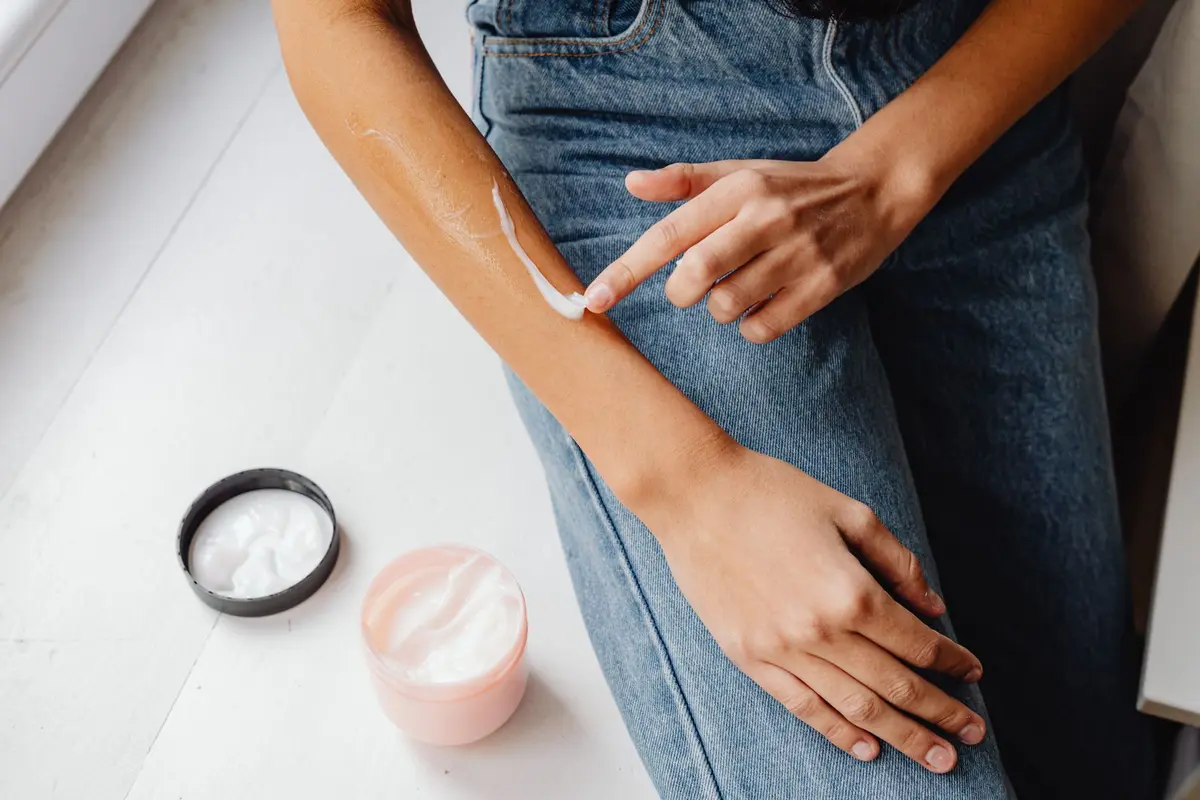
Skin moisture levels fluctuate in response to the environment. As the seasons change, the water content and lipid concentration required to maintain skin suppleness shift accordingly.
A lotion designed for high-humidity summer months often lacks the occlusive properties required for dry, cold winter air. Conversely, using heavy creams in peak summer can lead to an uncomfortable, occlusive residue.
Mastering the seasonal switch requires understanding product composition and recognizing your skin's immediate tactile feedback.
- Difficulty
- Beginner
- Total time
- 5 minutes daily
- Cost
- Low to medium
- Cadence
- Ongoing
Ingredients
- Glycerin: Acts as a humectant to draw moisture into the skin.
- Shea Butter: Provides an occlusive barrier to prevent moisture loss.
Tools List
- Water-based body lotion
- Lipid-rich body cream
- Pure plant-derived oil
Step by step
Assess the environment
Evaluate the current ambient temperature and humidity levels. If the dew point is rising and sweat occurs readily, pivot toward water-based lotions. When the air becomes crisp and interior heating is running, select a lipid-rich cream.
Tip: Use your local weather app as a baseline for your product choice.Apply to damp skin
After showering, pat your skin lightly so it remains slightly damp. Applying moisturizer to water-laden skin helps lock in the moisture before evaporation occurs. Use firm, sweeping motions to ensure an even distribution across the entire surface.
Tip: Damp skin is more permeable than dry skin.Verify absorption
Monitor how long it takes for the product to absorb completely. If it remains tacky after three minutes, you have likely used too much product or the formula is too heavy for the current climate. Adjust the amount or switch to a lighter formulation for the next application.
Tip: Start with a nickel-sized amount per limb.Consistent monitoring
Re-evaluate your choice every time the seasonal weather shift lasts for more than a week. Do not force a product to work if the atmospheric conditions do not support it. Transitioning is a flexible process, not a rigid calendar event.
Tip: Keep one heavy and one light product on hand.
Trouble
Why is my lotion not absorbing?
You are likely applying too much. Excessive product will sit on the surface of the skin because the epidermis can only absorb a finite amount at once. Try using half the amount.
Can I mix a cream with oil?
Yes, this is an effective way to customize thickness. Adding a drop of plant-derived oil to a light lotion can bridge the gap during the volatile transition weeks of spring or autumn.
Do I need different products for my legs and arms?
Often, yes. Skin on the shins is typically drier than skin on the torso. It is common to use a thicker cream on legs and a lighter lotion on the rest of the body.
Should I change products daily?
No. The goal is to match the product to the ambient environment. Only change your product when the weather pattern shifts significantly for more than a few consecutive days.
Your moisturizer should feel like an extension of your skin, never an obstruction.
Consistency is superior to intensity. Do not overthink the science; observe the surface.