A Guide to At-Home Clay Back Masks
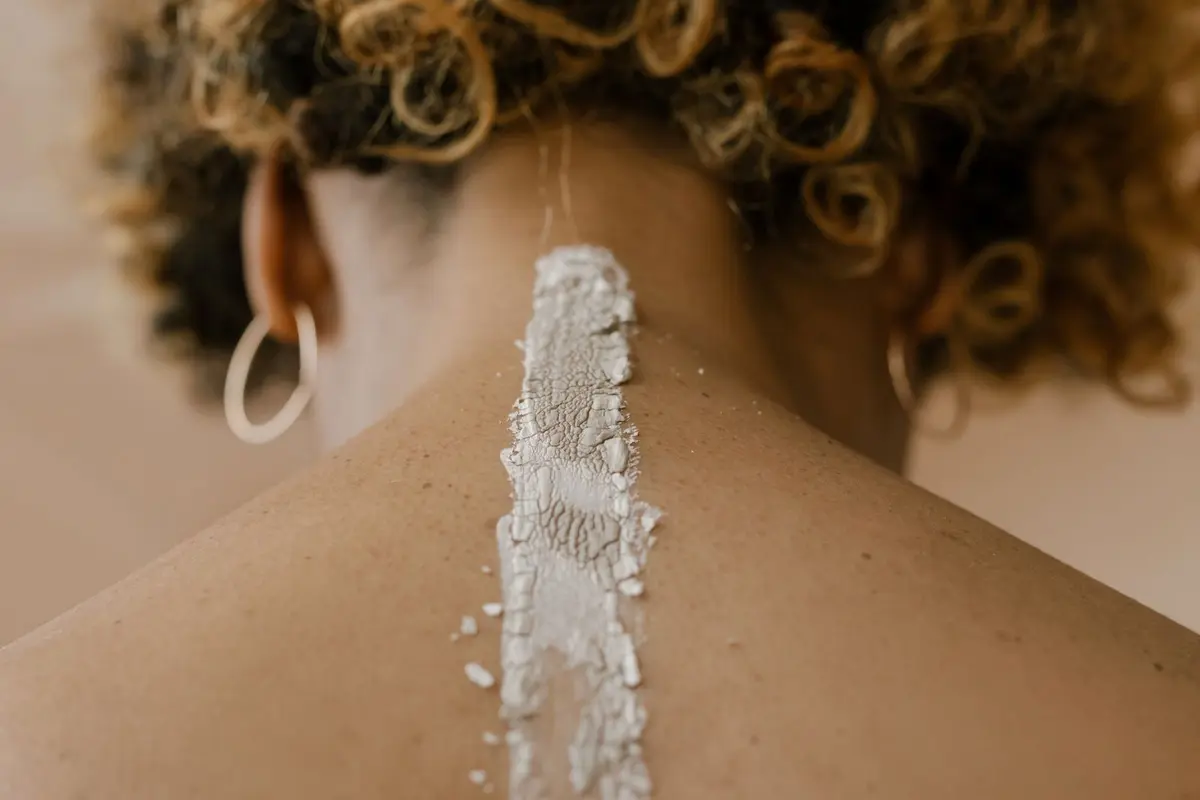
The back is often neglected in standard grooming routines due to its limited accessibility. When sebum and environmental debris accumulate in these pores, the skin texture changes. A clay-based body mask serves as a primary method for absorbing excess oils and refining the appearance of the skin.
This process requires patience and a degree of dexterity. By following a structured sequence, you can effectively manage congestion without professional intervention.
- Difficulty
- Beginner
- Total time
- 45 minutes
- Cost
- Moderate
- Cadence
- Weekly
Ingredients
- Kaolin clay: Absorbs excess oil without excessive drying.
Tools List
- Long-handled silicone applicator
Step by step
Prepare the surface with dry brushing
Begin with dry, clean skin. Use a long-handled dry brush with gentle, upward strokes across the back. This removes surface debris and prepares the skin to receive the mask. Avoid excessive pressure to prevent irritation.
Tip: Use a brush with natural bristles.Warm the skin
Step into a warm shower to soften the skin. The humidity helps to loosen trapped debris within the follicles. Do not use harsh soaps at this stage, as a clean surface is preferred for the mask.
Tip: Keep the water temperature moderate.Apply the clay mask
Use a silicone applicator to spread an even, opaque layer of kaolin or bentonite clay across the back. If you are alone, use a long-handled applicator tool. Ensure the layer is thick enough to prevent premature drying. Leave the product on for the duration specified on the container.
Tip: Keep a damp towel nearby.Remove the clay
Once the mask has reached a tacky state, use a damp, textured washcloth to remove it. Work in circular motions to provide a light physical exfoliation during removal. Ensure all residue is rinsed away completely.
Tip: Do not let the mask crack dry.Apply hydration
The skin will be dehydrated after a clay treatment. Apply a light, non-comedogenic lotion or oil while the skin is still slightly damp. This locks in moisture and maintains the integrity of the barrier.
Tip: Avoid heavy, occlusive creams.
Trouble
How often should this be done?
For most, once per week is sufficient. Excessive use can strip natural oils and compromise the skin barrier.
What if I cannot reach my whole back?
Utilize a long-handled silicone applicator. If specific areas remain inaccessible, focus only on the central area of the back.
Can I use this on other body parts?
The formula is intended for the back skin, which is thicker. Use caution if applying to more delicate areas of the body.
The mask is difficult to remove, what should I do?
Use a warm, wet towel to soften the clay before rinsing. Do not scrub harshly, as this can cause physical damage to the skin.
Consistency with a mask routine is more effective than intermittent, aggressive treatment.
The back is the most overlooked territory in a beauty routine.