Using Glycolic Acid Body Wash Correctly
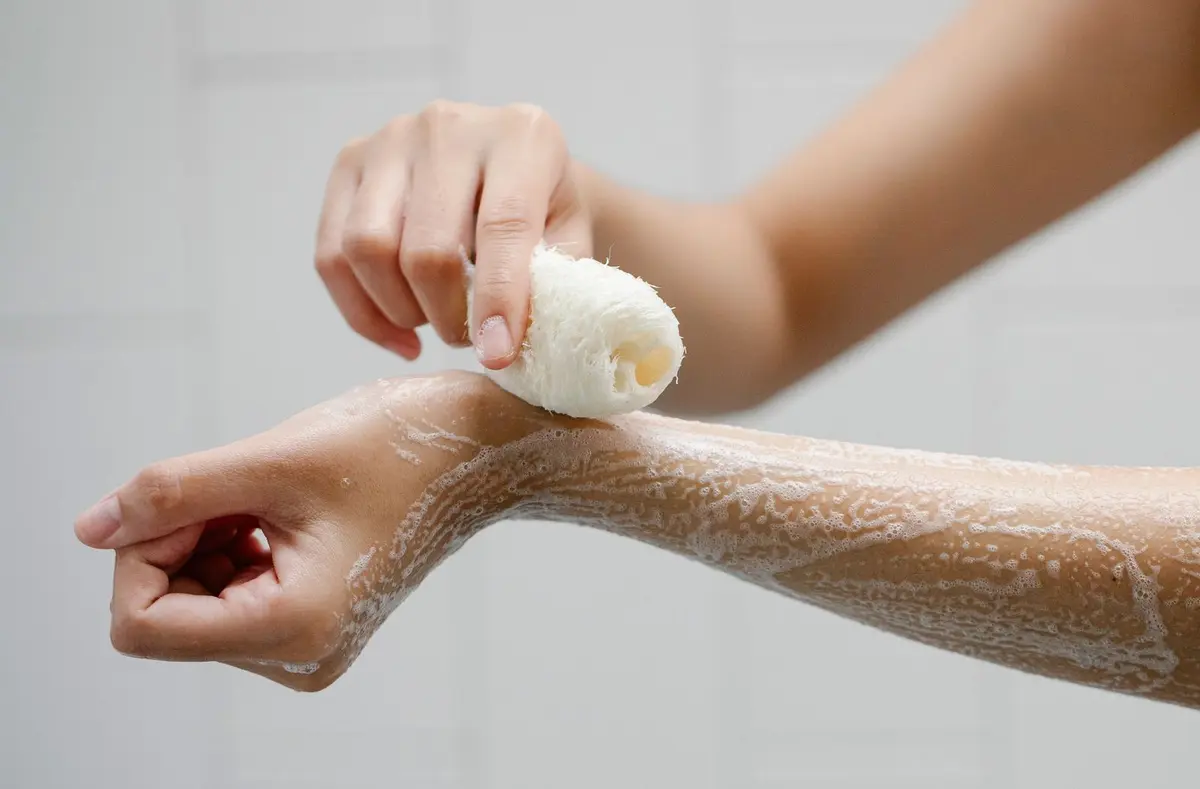
Chemical exfoliation on the body requires the same logistical discipline as facial care. Glycolic acid, an alpha-hydroxy acid, works by loosening the bonds between surface skin cells. When used in a rinse-off body wash format, the acid provides a mild resurfacing effect that can improve the tactile feel of skin.
The primary risk with body acids is over-application leading to barrier disruption. Because the skin on the torso and limbs is thicker than that of the face, users often assume it can withstand higher frequencies. Adherence to a strict schedule prevents irritation and maintains the skin’s protective layer.
- Difficulty
- Beginner
- Total time
- 10 minutes
- Cost
- Moderate
- Cadence
- Twice weekly
Ingredients
- Glycolic Acid: Primary agent for chemical exfoliation.
- Ceramides: Essential in your follow-up lotion to maintain barrier function.
Tools List
- Glycolic acid wash
- Timer
- Emollient moisturizer
Step by step
Prepare the skin
Begin by wetting your skin thoroughly with lukewarm water. Do not use high-temperature water, as this increases the likelihood of irritation when applying acids. Ensure the skin is damp, not dripping, to allow for an even distribution of the product.
Tip: Use a gentle, unfragranced soap first if you have residue from lotions or sunscreen.Dispense and apply
Dispense a nickel-sized amount of glycolic acid wash onto your palms. Apply it directly to the skin using your hands rather than a loofah or brush, which can be overly abrasive when paired with chemical exfoliants. Massage in circular motions for approximately one minute to ensure even coverage.
Tip: Focus on areas with rough texture, such as elbows or knees.Allow contact time
Unlike standard soap, this product requires a brief contact period to function. Let the lather sit on your skin for two minutes. During this time, the acid performs its resurfacing work without the friction of a scrub.
Tip: Set a timer to prevent accidental over-exposure.Rinse completely
Rinse the area thoroughly with lukewarm water until no residual slipperiness remains. Chemical exfoliants left on the skin can cause localized redness over time. Use your hand to confirm that all product has been removed.
Tip: Check the folds of the skin to ensure no residue persists.Hydrate
Pat your skin dry gently with a soft towel. Immediately apply a fragrance-free, emollient-rich body moisturizer to lock in hydration. This step is non-negotiable, as acids naturally reduce the skin's moisture retention capacity.
Tip: Apply lotion while the skin is still slightly damp.
Trouble
Can I use this daily?
Daily use is generally too harsh for the body. Start with twice weekly to observe your skin's tolerance level.
Is a loofah necessary?
No. Mechanical exfoliation via loofah combined with chemical exfoliation creates a high risk of micro-tears and barrier damage. Use your hands.
My skin feels tight after use?
Tightness indicates stripped lipids. Increase your application of moisturizing cream and decrease the frequency of the acid treatment.
Can I use other actives with this?
Avoid layering other acids or retinol on the same day. Keep the rest of your body care routine focused on hydration and barrier support.
Consistency is superior to intensity; keep the frequency low and the technique steady.
If the skin turns pink or sensitive, treat it like an injury: hydrate and pause all actives until fully restored.