Maintaining Your Body Brush
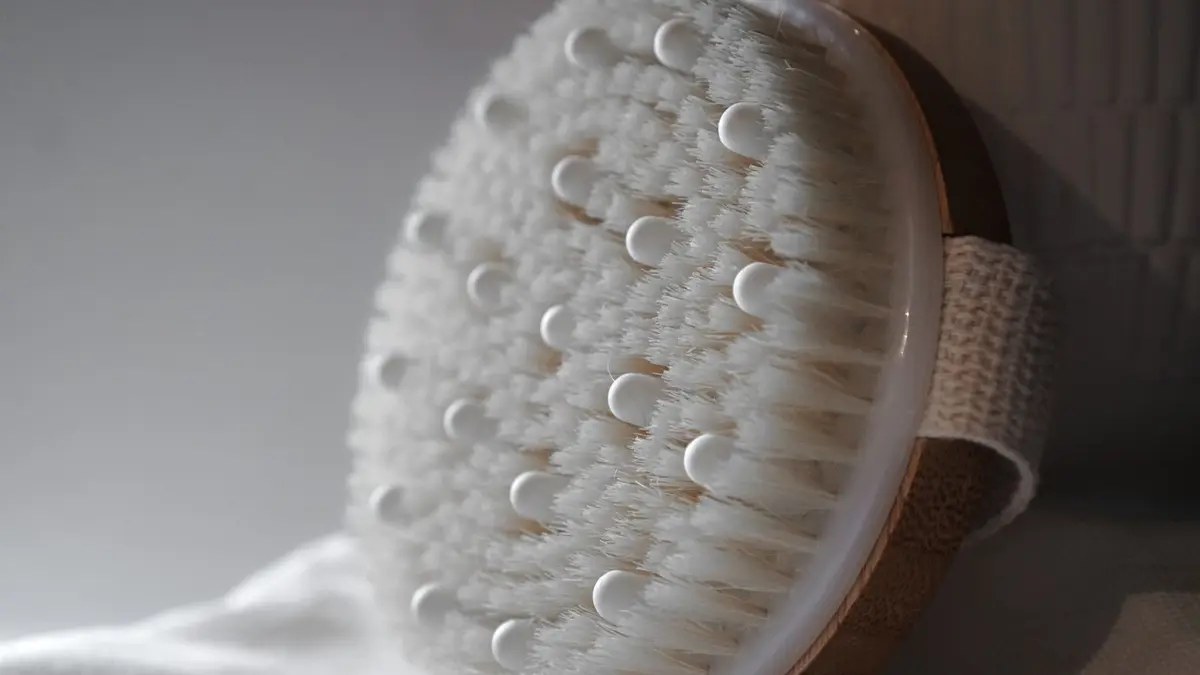
A body brush is an exercise in friction and exfoliation. Because the tool works by sloughing off dead cells from the skin surface, the bristles inevitably accumulate organic matter over time. Failure to clean the brush leads to a buildup of debris, which compromises the integrity of the natural fibers and creates a breeding ground for bacteria.
Cleaning your brush is a straightforward process that requires little more than mild soap and patience. Adhere to the following protocol to maintain the hygiene and effectiveness of your tool.
- Difficulty
- Beginner
- Total time
- 15 minutes plus drying time
- Cost
- Minimal
- Cadence
- Once every two weeks
Ingredients
- Tea tree oil: Optional additive for mild antiseptic properties during cleaning
Tools List
- Wide-toothed comb
- Mild liquid soap
- Clean towel
Step by step
Remove trapped particles
Hold the brush over a waste bin with the bristles facing downward. Tap the handle firmly against the edge of the bin to dislodge loose skin cells and hair. If particles remain lodged between the base of the bristles, use a wide-toothed comb to gently rake through the fibers.
Tip: Do not pull forcefully, as this can snap natural fibers.Mix a mild cleaning agent
Fill a basin with cool, shallow water. Add a drop of gentle, pH-balanced liquid soap or a mild tea tree wash. Avoid harsh detergents or bleaching agents, which will cause the bristles to become brittle or frayed over time.
Tip: Use only enough water to submerge the bristles.Agitate and rinse
Dip only the bristle portion of the brush into the soapy water. Use your thumb to massage the bristles in a circular motion, ensuring the soap penetrates the base. Rinse by dipping the bristles into a second basin of clean, cool water until the suds are entirely removed.
Tip: Keep the wooden handle dry to prevent warping or mold.The drying protocol
Gently pat the bristles with a clean towel to remove excess moisture. Hang the brush in a well-ventilated, sunny area with the bristles facing downward to allow gravity to assist the drying process. Do not use a hairdryer or place the brush near a heat source, as this will deform the bristles.
Tip: Allow a full 24 hours for complete dehydration.
Trouble
What if the handle gets wet?
Dry the handle immediately with a microfiber cloth. Natural wood is porous and can warp or grow mold if left in contact with water.
How often should I replace the brush?
Replace the brush every six to twelve months, or sooner if the bristles lose their stiffness or begin to fall out during use.
Can I use boiling water to disinfect?
No. High heat will ruin the adhesive holding the bristles in place and cause the wooden handle to split.
The brush smells musty after drying.
This indicates that moisture remained at the base of the bristles for too long. If the smell persists after a second, thorough cleaning, the brush must be discarded.
A brush is only as effective as its cleanliness.
Dry brushing is physical exfoliation; keep the equipment clean to avoid introducing unwanted surface debris back onto the skin.