What to Leave Behind When Traveling
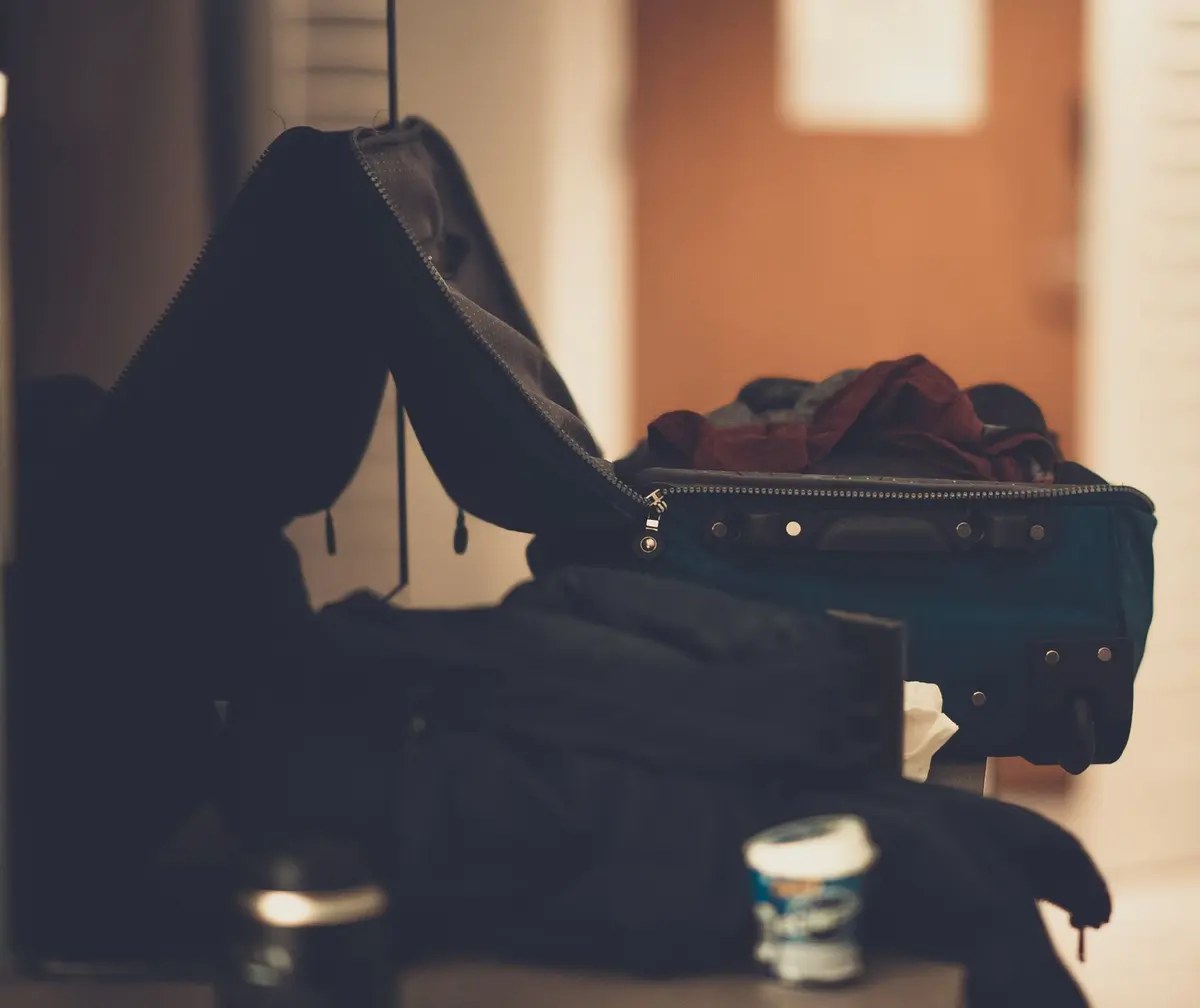
Leave behind anything you won't use in 3 days, can replace at your destination, or adds bulk without function. The test: if you haven't used it by day 3, it's taking up space you need. Ask yourself not 'what if I need this' but 'will I actually buy/find this there if the need comes up.'
- Budget
- N/A — this is a packing strategy, not a budgeted expense
- Duration
- Applies to any trip, 2 days or longer
- Best Time
- Do this planning 1 week before departure
- Visa Required
- no
Step by step
Do the 3-day checkpoint
Lay out what you're considering packing. For each item, ask: would I use this by day 3? If the answer is 'maybe' or 'just in case,' it stays home. You're not packing for every possible scenario. You're packing for the trip you're actually taking.
Leave behind items with cheap, available replacements
Toiletries, basic medications, sunscreen, phone chargers, underwear, socks — all things you can buy at any drugstore or convenience store in developed destinations. Full-size shampoo at home stays at home. A travel-size or bar you can replace in 20 minutes doesn't need the luggage space.
Drop anything over 3 ounces you're 'maybe' using
That nice jacket you might layer with. The book you might read. The backup pair of shoes in case these hurt. If it weighs more than a few ounces and you're not certain about it, leave it. The weight-to-certainty ratio has to justify itself.
Leave behind full-size versions of anything
One full-size deodorant, one full-size lotion bottle, one full-size anything is luggage bloat. Use travel sizes or solid alternatives (bar soap, solid deodorant, solid shampoo). If you can't find a travel size, you probably don't need the full-size version.
Cut your shoes to two pairs maximum (one for three)
One pair you'll wear on arrival and around town. One pair for activities or different weather. Unless you're on a 2+ week trip or hiking expedition, two pairs do the work of six. A third pair only comes if the trip is 2 weeks or more and the climate demands it.
Leave behind 'just in case' medications
Pack prescription medications and any medication for a chronic condition. Leave behind the cold medicine, ibuprofen, antacid, and allergy tablets you 'might' need. You can buy these anywhere for $3-8. You cannot buy your prescriptions on the fly.
Drop the backup of the backup
One phone charger. One set of earbuds. One power bank if you need it. Not one of each plus backups. Most accommodations have USB ports. Most cities have phone charger stands at convenience stores. Backups are for multi-week trips or remote travel, not a week in a city.
Leave behind 'someday' clothes
That fancy dress you might wear if you go somewhere nice. The workout clothes you might use. The outfit you'll wear if you feel motivated. Pack clothes for the activities you're actually doing on this trip. Not hypothetical versions of yourself.
Cut your underwear and socks to 4-5 days' worth
Most accommodations have laundry. Airbnbs have washers. Hotels have laundry service. You don't need 12 pairs of underwear and 10 pairs of socks for a week. Pack 4-5 pairs, plan to wash halfway through, done.
Leave behind guidebooks and printed materials
Everything you need is on your phone. Maps, opening hours, restaurant reviews, historical context, transit schedules. One printout of accommodation confirmations and insurance documents makes sense. A 300-page guidebook does not.
Questions people ask
What if I forget something important?
If it's truly important (prescription medication, critical documents), you pack it. If it's 'I wish I had brought,' that means it wasn't critical. Most overlooked items can be bought in 20 minutes or borrowed from someone on the trip.
Isn't it safer to just pack more, just in case?
No. Overpacking costs you in luggage fees, makes you slower at transit, means you're carrying things you won't use, and often means you skip activities because your bag is heavy. The cost of buying something you forgot is almost always lower than the cost of overpacking.
What about travel to remote areas where I can't buy things?
That's when this advice flips. Hiking trips, remote villages, multi-week treks — these require the full packing discipline in reverse. You pack everything you'll need because you genuinely cannot replace it. The 3-day checkpoint still works: pack what you'll use. Just your timeline extends to 7-14 days.
What about family trips — don't I need more stuff with kids?
Kids need more of some things (snacks, comfort items, extra clothes for spills), but not twice as much total luggage. The principle holds: don't pack outfits you won't wear, duplicate toys, or 'what if' clothes. Plan for 5-6 days of kids' clothes, plan to wash, and be ruthless about toys.
How do I know the difference between 'just in case' and actually necessary?
Necessary = you'll definitely use it or you cannot replace it (prescriptions, documents, specific hiking gear). Just in case = you might use it if circumstances align, but you could also buy a substitute. When in doubt, assume 'just in case' and leave it.
Budget
Leaving things behind saves you $30-80 per trip in luggage fees and $200+ if you were going to upgrade to a larger suitcase. No direct cost, but significant savings on the backend.
Packing
- A packing checklist (digital or one sheet of paper) so you don't second-guess what you left behind
- Travel-size versions of essentials: 3-ounce bottles you'll actually use, not full-size backups
- A 2-3 liter stuff sack for doing laundry mid-trip — this justifies leaving behind extra clothes
- Multipurpose items: one sweater that works as a jacket, one pair of shoes that handles multiple scenarios
- A notepad or phone note with accommodation details, flight confirmations, and insurance — skip the printed packet
Packing light: how to pack for two weeks in a carry-on, pack once, travel eight weeks and the personal-item-only packing list.