How to Choose and Use a Child Carrier for Hiking
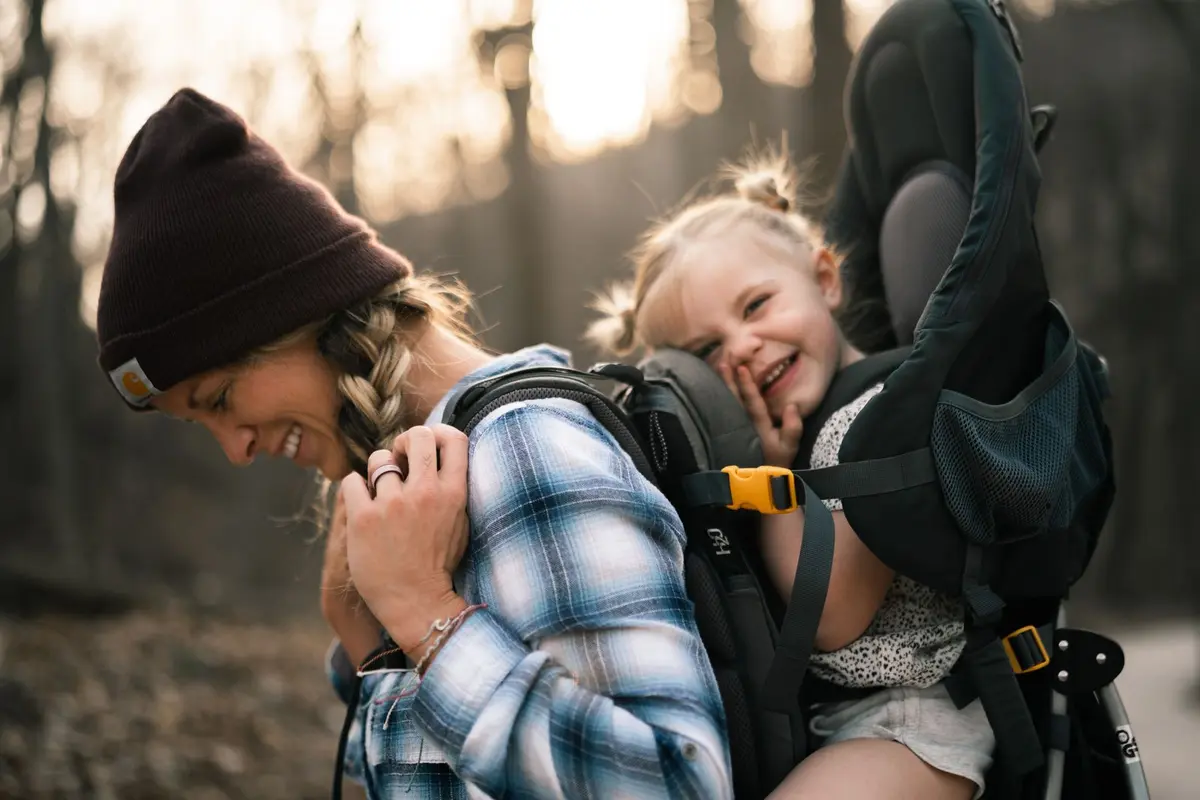
A good hiking child carrier keeps your kid safe and comfortable while freeing your hands for balance and gear. Start with an internal-frame pack rated for your child's weight, ensure proper hip belt adjustment so the pack carries on your hips (not shoulders), and test it on short flat trails before heading uphill.
- Budget
- 150–350 dollars for a quality internal-frame carrier; soft carriers run 60–120 dollars.
- Duration
- Use a child carrier for hikes of 1–4 hours depending on your fitness and the child's weight. Beyond 4 hours, most parents need a break; consider splitting into two shorter hikes.
- Best Time
- Any season, though spring and fall (70–75°F) are easiest because temperature swings are less extreme and bugs are lighter.
- Visa Required
- No — the carrier itself requires no documentation, but traveling with a child internationally may require additional papers (see visa_notes).
Step by step
Determine your child's age and weight
Child carriers work best from 6 months (when neck control is solid) through roughly 50 pounds. Check the manufacturer's weight limits—most quality packs max out at 45–50 pounds. Weigh your child and use that number to narrow your options.
Choose between internal-frame and soft carriers
Internal-frame packs (like Osprey Poco or Deuter Kid Comfort) are structured, have padded straps, and distribute weight to your hips. They work for long hikes and heavy kids. Soft carriers (like wraps or buckle carriers) are lighter and pack smaller but tire your shoulders faster and suit shorter walks. For hiking beyond 1 hour, choose an internal-frame pack.
Check the hip belt and shoulder strap setup
The hip belt must sit on your hip bones, not your ribs or waist. Loosen everything, put the pack on, then position the belt. Tighten it snugly—it should carry 70% of the weight. Adjust shoulder straps so they're snug but not strangling. Bad belt placement is the #1 reason parents hate carriers; get this right and you'll hike comfortably.
Test the carrier on short, flat trails first
Wear the pack with your child for 20–30 minutes on a gentle walk near home. Check that nothing pinches, straps don't dig in, and your child isn't too hot or cold. Adjust padding or ventilation if needed. Never start with a steep trail; your body and your kid's comfort need practice.
Dress your child for the carrier
Layers work best—your kid will be warm from body contact. Avoid bulky coats that add thickness between you and the carrier; use thin layers instead. Bring a light jacket they can wear if you stop. Check their neck and back for sweat every 30 minutes.
Pack water, snacks, and a diaper kit in the carrier's pockets
Use the pack's built-in compartments for things you'll need while hiking: a water bottle (600 mL minimum), crackers or fruit, sunscreen, and a diaper or wipes if needed. Keep your hands free by not carrying a separate diaper bag.
Add sun and bug protection
Many carriers include a fold-out sun canopy; if yours doesn't, consider a lightweight pop-up shade or wide-brimmed hat for your child. Apply sunscreen before you start. For bugs, use child-safe insect spray on exposed skin and clothing.
Know your physical limits
Carrying a child plus 8–12 pounds of gear (water, snacks, first aid) means 20–40 extra pounds on your frame. On trails with steep elevation gain, expect to hike 30–50% slower than usual. Plan shorter distances and take regular breaks. Listen to your body—sore hips or lower back mean something needs adjusting.
Questions people ask
At what age can I start using a child carrier for hiking?
6 months is the earliest, when your child has full neck control. Before that, use a soft wrap or wait. Most kids are comfortable in carriers until 4–5 years old, though by then many prefer walking for shorter stretches.
Can I use a standard backpack instead of a child carrier?
No. Regular backpacks don't support a child's weight safely. A child carrier has a rigid frame, padded straps, and a hip belt specifically designed for carrying another person. Using a standard pack risks back injury and an uncomfortable child.
How do I keep my child from getting overheated in the carrier?
Dress them in thin layers, keep the sun canopy open when you're in shade, and check their neck and back every 20–30 minutes. If they're sweaty, remove a layer or let them cool in shade for 5 minutes. Most overheating happens because parents bundle kids too heavily.
What should I do if my child needs a diaper change on the trail?
Set the carrier down gently on a flat surface or rock, remove your child, and change them in the shade. Keep a diaper, wipes, and a small bag in the carrier's pockets. On longer hikes, plan to stop near water or in a scenic spot where you don't feel rushed.
How do I prevent the carrier from rubbing my shoulders raw?
Proper hip belt placement does most of the work—if the pack is riding on your shoulders, you're not doing it right. Beyond that, wear a moisture-wicking shirt (not cotton) and add pad inserts if you have chafing. Consider a lightweight chest strap to distribute pressure, but don't over-tighten it.
- Notes
- A quality internal-frame pack is a one-time buy that lasts through multiple children. Budget for the carrier as core gear, not an expense you'll recover.
- Soft Carrier
- 60–120 dollars
- Sun Canopy Accessory
- 20–40 dollars
- Internal Frame Carrier
- 150–350 dollars
Packing
- Internal-frame child carrier (45–65 liters)
- Lightweight waterproof rain cover for the carrier
- Breathable mesh shoulder pad inserts
- Lightweight sun hat for your child
More for family hikes: family adventure gear, hiking with kids at every age and the first trip abroad with your kids.