Eat in a New City Like a Local
To eat like a local, avoid the main tourist squares and walk at least four blocks away from the primary attractions. Seek out places where the menu is limited to five or fewer main dishes and look for spots where patrons are eating alone or in quick groups rather than sitting…
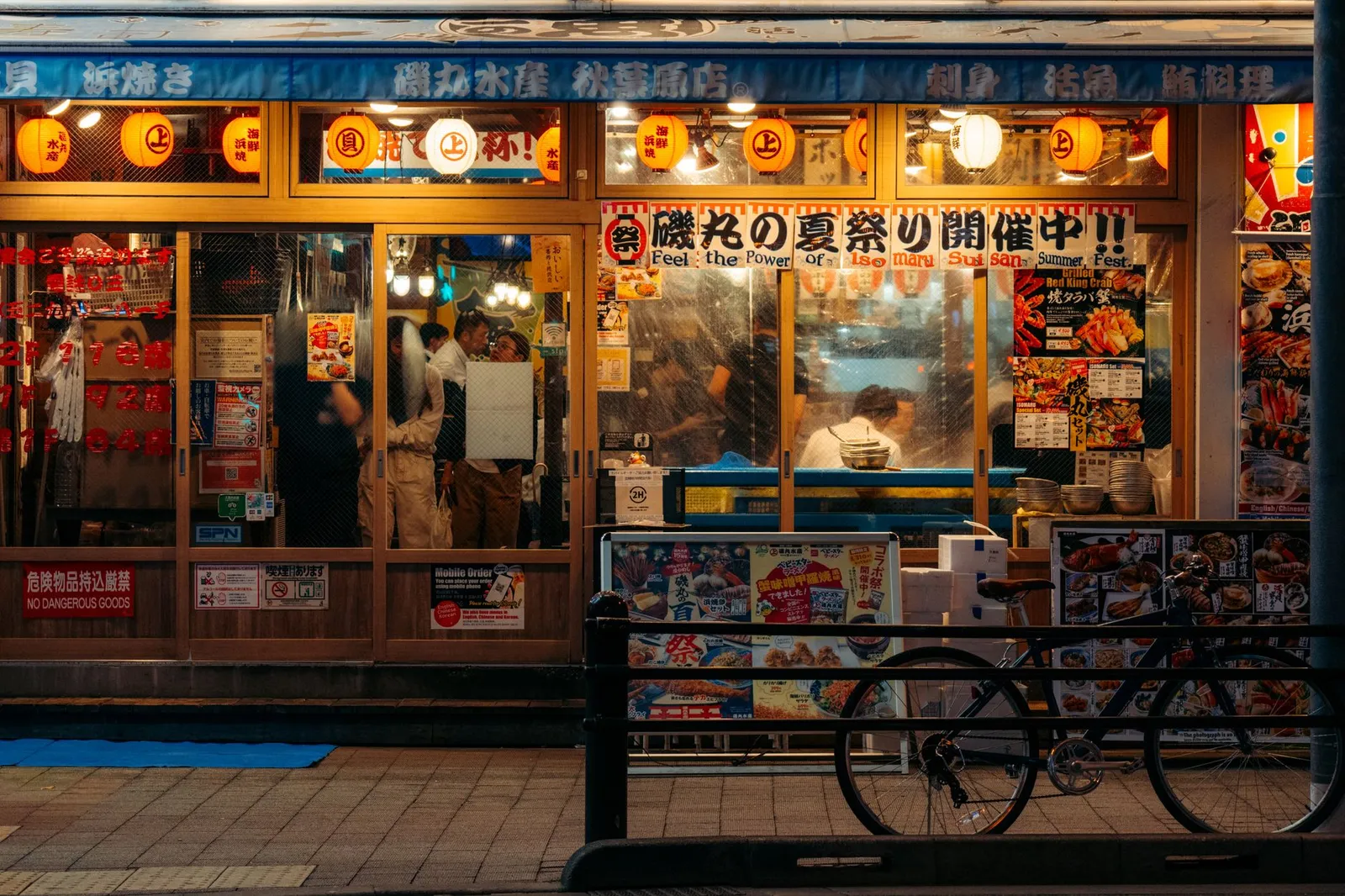
To eat like a local, avoid the main tourist squares and walk at least four blocks away from the primary attractions. Seek out places where the menu is limited to five or fewer main dishes and look for spots where patrons are eating alone or in quick groups rather than sitting for long, staged meals.
At a glance
- Budget
- $30-50 per day
- Duration
- Unlimited
- Best Time
- Year-round
- Visa Required
- No - Eating local food does not require any specific visa or travel documentation.
Step by step
Look for the 'No English' menu
If a restaurant has a menu in four different languages outside, keep walking. Authentic local spots usually have a menu in the local language, often written on a chalkboard or a single sheet of paper.
Follow the shift workers
Identify where taxi drivers, construction workers, or office staff are grabbing lunch between 12:00 PM and 1:30 PM. They prioritize speed, value, and flavor over ambiance.
Master the queue
If you see a line of locals waiting for a street food stall, join it. Locals know which vendors have high turnover, which ensures the food is fresh and the ingredients are constantly replenished.
Ask for recommendations, but be specific
Don't ask 'Where is good to eat?' because locals will send you to a tourist trap. Instead, ask 'Where do you go for dinner with your family on a Tuesday night?'
Budget
| Daily Food Estimate | Budget $30-$50 per day for street food and casual local markets, excluding alcohol. Set aside $15 for breakfast and coffee, $10 for a quick lunch, and $25 for a hearty dinner. |
What to bring
- A small bottle of high-quality hand sanitizer (public washrooms near street food markets are often low on soap).
- A reusable set of chopsticks or a travel-sized spork for street food stalls that don't provide clean cutlery.
- A small stash of local currency in small denominations; vendors rarely want to break large bills for a cheap snack.
- Activated charcoal or rehydration salts in case of a sensitive stomach reacting to new local spices or oils.
Visa & entry notes
None required for the act of eating, though ensure your passport is current if you are crossing borders to hunt for specific regional delicacies. Keep your documents in a waterproof pouch if you plan on visiting humid or rainy wet-market environments.
FAQ
How do I know if a street food stall is safe?
Watch the turnover. If you see a constant stream of customers and the cook is handling food with tongs or gloves rather than bare hands, it is likely safe.
Is it rude to take photos of my food?
In most casual settings, no. However, avoid using a massive professional camera or flash. If the stall is incredibly busy, be quick so you don't block the flow of other paying customers.
To take this further, read how to spend less and eat better while traveling, which covers markets and splitting the food budget unevenly. Walking your new neighborhood on the first day is the easiest way to spot the lunch counters worth returning to, and the Southeast Asia on $50 a day guide shows street food as part of a full daily budget.
See also
- How to plan a trip centered entirely around local food?
- How to use local public transport to reach neighborhood food hubs?
- How to manage physical cash for small street food transactions?
For deeper dives into local specialties and specific regional dishes, check out HowTo: Food Edition at HowTo Food.