How to navigate public transit systems abroad
Use Google Maps or Citymapper to track routes in real-time, and always carry a local transit card or a contactless credit card for tap-to-pay functionality. Avoid buying single-use paper tickets whenever possible, as they are usually more expensive and less convenient than…
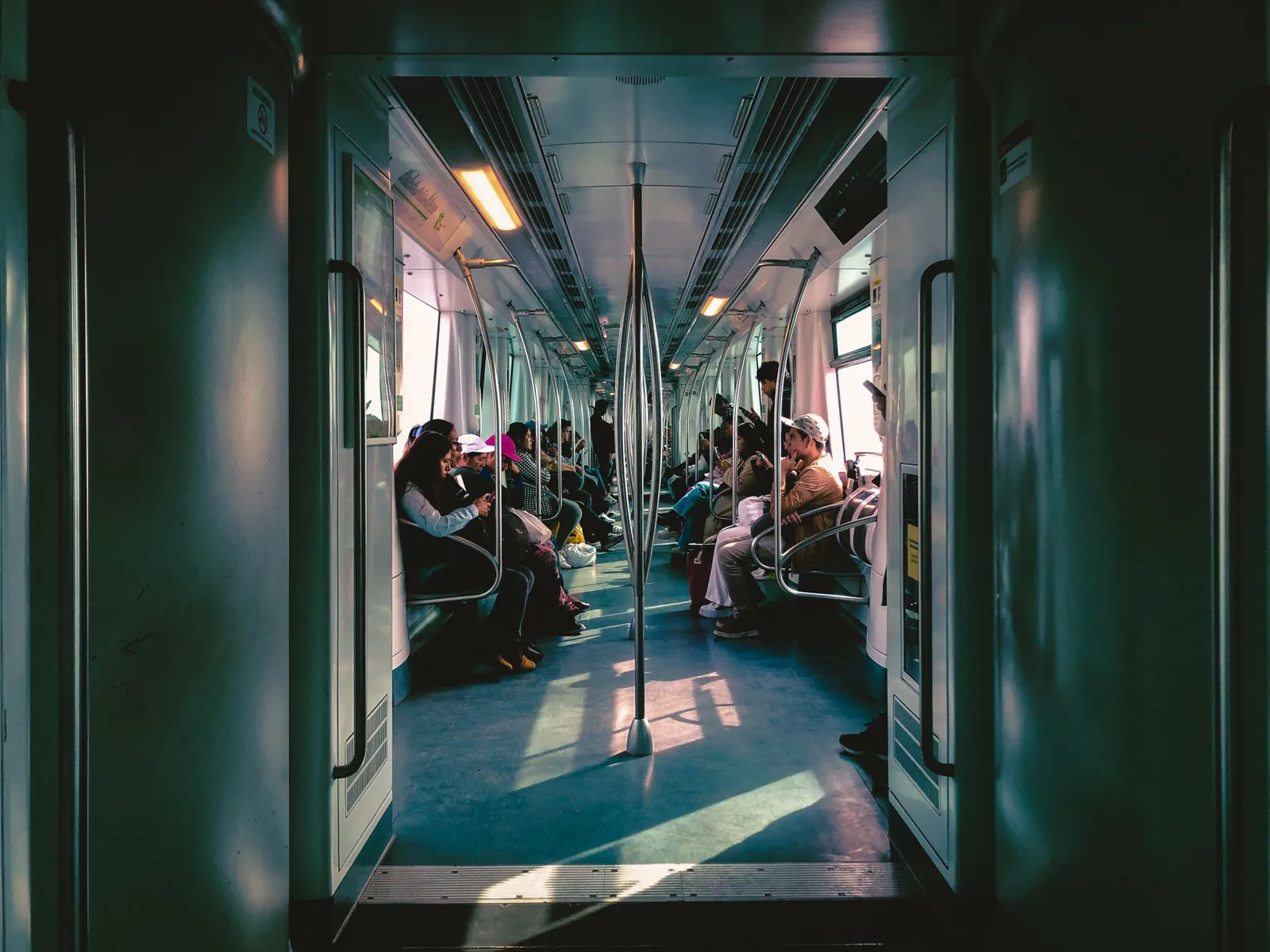
Use Google Maps or Citymapper to track routes in real-time, and always carry a local transit card or a contactless credit card for tap-to-pay functionality. Avoid buying single-use paper tickets whenever possible, as they are usually more expensive and less convenient than digital fare systems.
At a glance
- Budget
- 10-15 dollars per day
- Duration
- Ongoing
- Best Time
- Year-round
- Visa Required
- No; transit access is not restricted by visa status.
Step by step
Download offline maps
Before you leave your accommodation's Wi-Fi, download the local transit map or your route in Google Maps. This ensures you can navigate even if you lose data connectivity while underground.
Identify the payment method
Check if the city uses a proprietary card (like London’s Oyster or Tokyo’s Suica) or open-loop payment (tapping a Visa/Mastercard). If you need a physical card, buy it at a station kiosk using a credit card to avoid carrying excessive local cash.
Understand fare zones
Check if the city charges a flat fare or by distance. If by distance, ensure you tap your card or ticket both when entering AND exiting, or you may be charged the maximum possible fare for that line.
Identify the direction
Do not look for the name of the destination on the train; look for the name of the final station at the end of the line in the direction you are traveling. This is the indicator used on all signage.
Budget
| Daily Transit Estimate | 10-15 dollars per day for unlimited day passes or standard multi-trip usage in most major global cities. |
What to bring
- Portable power bank (GPS drains battery quickly)
- Compact crossbody bag with a zipper (for security against pickpockets)
- Contactless-enabled credit card (or digital wallet set up on your phone)
Visa & entry notes
Transit systems are generally open to all travelers regardless of visa status. However, keep your passport accessible if you are traveling across borders by train, as random spot checks for travel documents occur frequently in the Schengen Area.
Your first ride
The first journey is usually the hardest, often made straight off a long flight with luggage. Before you travel, look up the route from the airport or main station to where you are staying: the line colour or number, the stop name and the final station in your direction of travel. Screenshot it so you are not relying on a signal. Once that first trip is done, the rest of the network tends to make sense.
Inside large stations, check the exit signs before you climb to the street. Many have numbered or lettered exits, and choosing the right one can save a long walk above ground.
Tickets, checks and fines
Keep your ticket or card until you have left the system. Some networks need it to open the exit gates, and on others inspectors check tickets on board. Where paper tickets have to be stamped or validated before you travel, an unvalidated ticket can be treated the same as no ticket, and not knowing the rule rarely gets a fine cancelled.
Riding like a local
Watch what the people around you do and copy it: which side of the escalator to stand on, whether passengers queue at marked spots on the platform, whether phone calls are frowned on. Take your backpack off in a crowded carriage, let people off before you board, and leave priority seats for those who need them.
Keep your phone and wallet in a zipped bag rather than a back pocket, especially near the doors where crowds push in and out. Late at night, check when the last service runs before you head out; missing it can turn a cheap journey into an expensive taxi.
FAQ
Should I buy a city tourist pass?
Only if it includes unlimited transit and you plan to hit at least three major attractions in one day. Otherwise, a standard 24-hour transit pass is almost always cheaper.
How do I know which train to board?
Use an app like Citymapper. It tells you which car (front, middle, or back) is closest to your exit, saving you time once you arrive at your destination.
Two pieces pair well with this one: setting up an eSIM before you fly, so your maps work the moment you land, and the neighborhood arrival walk for your first hours in a new city. For a city where the train beats any coach, see Tokyo day tours that don't feel like tours.
See also
- How to plan your first solo trip
- How to choose the right travel backpack
- How to find safe and well-located accommodation
For advice on eating your way through a new city using public transit, visit HowTo Food.