How to Travel Southeast Asia on $50 a Day
To keep your daily spend under $50 in Southeast Asia, stick to local street food, prioritize overnight buses or trains for long distances, and choose dorms or budget homestays. Avoiding domestic flights and sticking to one country or region at a time keeps transport costs low.
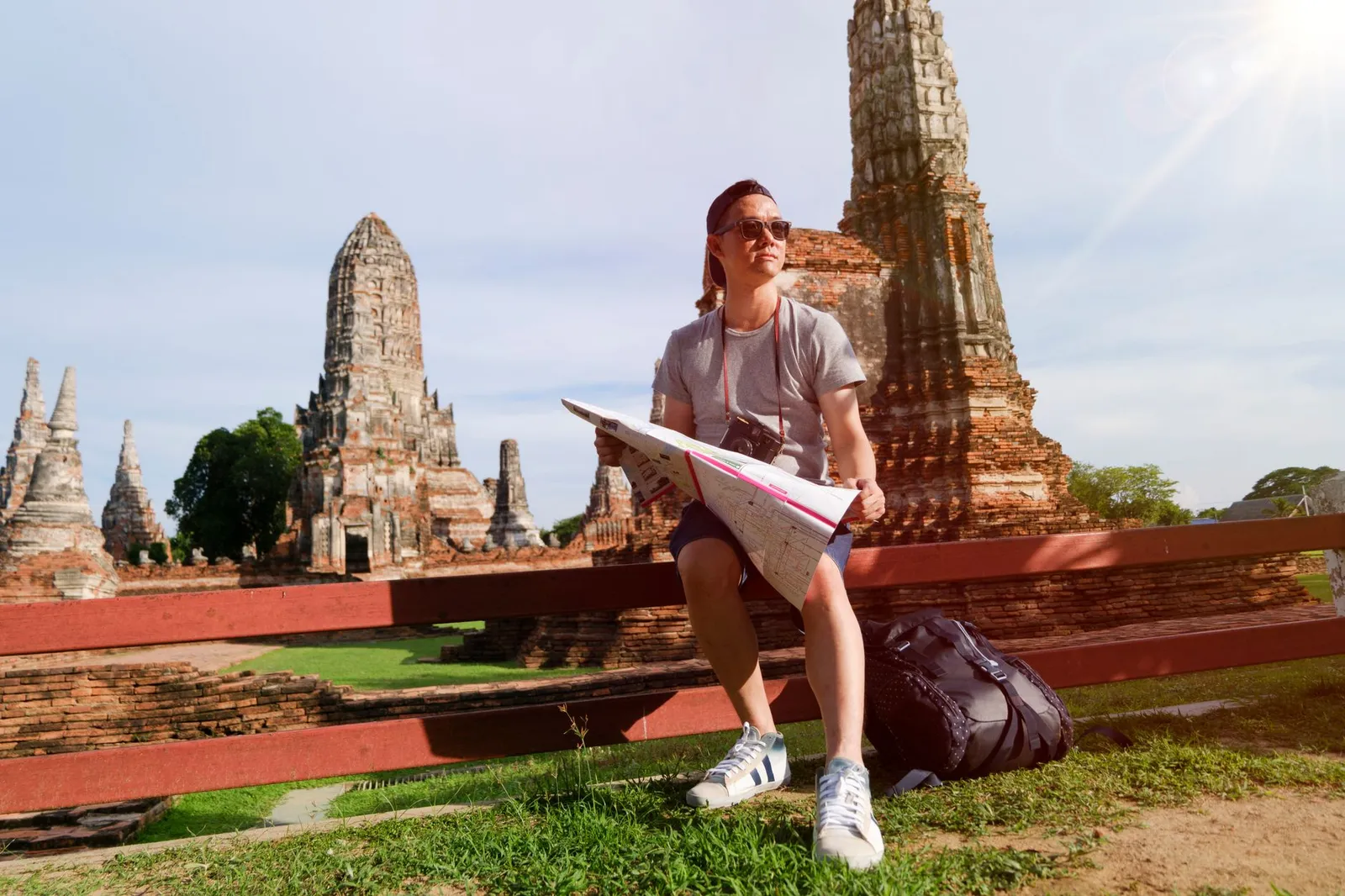
To keep your daily spend under $50 in Southeast Asia, stick to local street food, prioritize overnight buses or trains for long distances, and choose dorms or budget homestays. Avoiding domestic flights and sticking to one country or region at a time keeps transport costs low.
At a glance
- Budget
- 50 dollars per day
- Duration
- 30 days minimum
- Best Time
- November to February
- Visa Required
- Depends; check your specific nationality against destination entry requirements.
Step by step
Master the street food economy
Avoid sit-down restaurants with English menus. Eat where locals eat—usually plastic tables on the sidewalk. You can get a filling meal for $2–$4. Always drink bottled or filtered water to avoid $50 medical bills.
Use public transit and night transport
Skip taxis and ride-share apps for long trips. Use local buses, trains, or 'songthaews.' For city-to-city travel, book overnight trains or sleeper buses to save on one night of accommodation.
Strategic accommodation
Target private rooms in local guesthouses ($15–$20) or reputable hostel dorms ($8–$12). Use booking platforms to compare, but book directly if the property offers a discount for cash payments.
Manage your alcohol intake
Alcohol is the fastest way to break your budget. Beer in 7-Eleven or local marts is $1.50, while a cocktail at a tourist bar is $8+. Stick to local beers and limit nights out.
Budget
| Food | 15 |
| Transport | 10 |
| Accommodation | 12 |
| Activities And Misc | 13 |
What to bring
- Filtered water bottle (e.g., Grayl or LifeStraw) to avoid buying daily plastic.
- Universal power adapter with surge protection.
- Lightweight, quick-dry clothing to minimize laundry costs.
- A sturdy padlock for hostel lockers.
Visa & entry notes
Visa requirements vary wildly. Most countries (Thailand, Vietnam, Malaysia) offer 30-day visa exemptions for many Western passports, but some require e-visas or visa-on-arrival fees ranging from $25 to $50. Check government travel portals 30 days before departure.
Keeping the daily number honest
A daily budget only works if you look at it. Note what you spent each evening, even as a single line in your phone, and judge yourself on the weekly average rather than on any one day. Travel days, visa fees and the occasional splurge will push a day well over the line; a few quiet days in a cheap town pull it back.
Keep a separate reserve that is not part of the daily figure at all: money for a missed bus, a replacement phone or a doctor's visit. Spending the daily budget down to nothing is fine. Dipping into the reserve should be a deliberate decision.
Slow travel is the cheapest kind
Every move between towns costs a ticket, a ride to the bus station and usually a worse night's sleep. Staying longer in fewer places cuts all three. Some guesthouses will offer a better rate for a longer stay if you ask in person, and after a few days you know which stalls are good, which shop sells water cheaply and where people from the neighbourhood drink coffee. That is when the budget starts to feel easy.
If you fall ill, don't let the daily target decide whether you see a doctor. A pharmacist can help with minor stomach upsets, but a persistent fever, signs of dehydration or anything that worries you is a reason to get proper medical care, and a reason to have read your travel insurance before you left.
FAQ
Is $50 a day enough for everything?
Yes, provided you aren't doing expensive activities like SCUBA diving or domestic flights every three days. If you want to do high-cost excursions, factor in an extra $200–$300 total for the trip.
Should I carry cash or use cards?
Carry a debit card that reimburses ATM fees (like Charles Schwab) and always carry emergency USD in pristine condition to exchange at local banks.
Is bargaining expected?
Yes, in markets and with tuk-tuk drivers. Always smile, be polite, and don't haggle over cents—it's not worth the energy for either party.
For the ground-level side of this budget, the guides to eating like a local and getting around on public transit abroad go into more detail, and what travel insurance actually covers is worth reading before you rely on a policy for that reserve.
See also
- How to plan an efficient backpacker route through Southeast Asia?
- How to manage money and exchange rates while crossing borders?
- How to pack a single carry-on for a multi-month trip?
For tips on finding the best street food without spending a fortune, head over to HowTo Food.