Three Days in Seoul, Booked Like a Local
Seoul rewards the booked. Here is what to reserve before you land, and what to leave to the alleys.
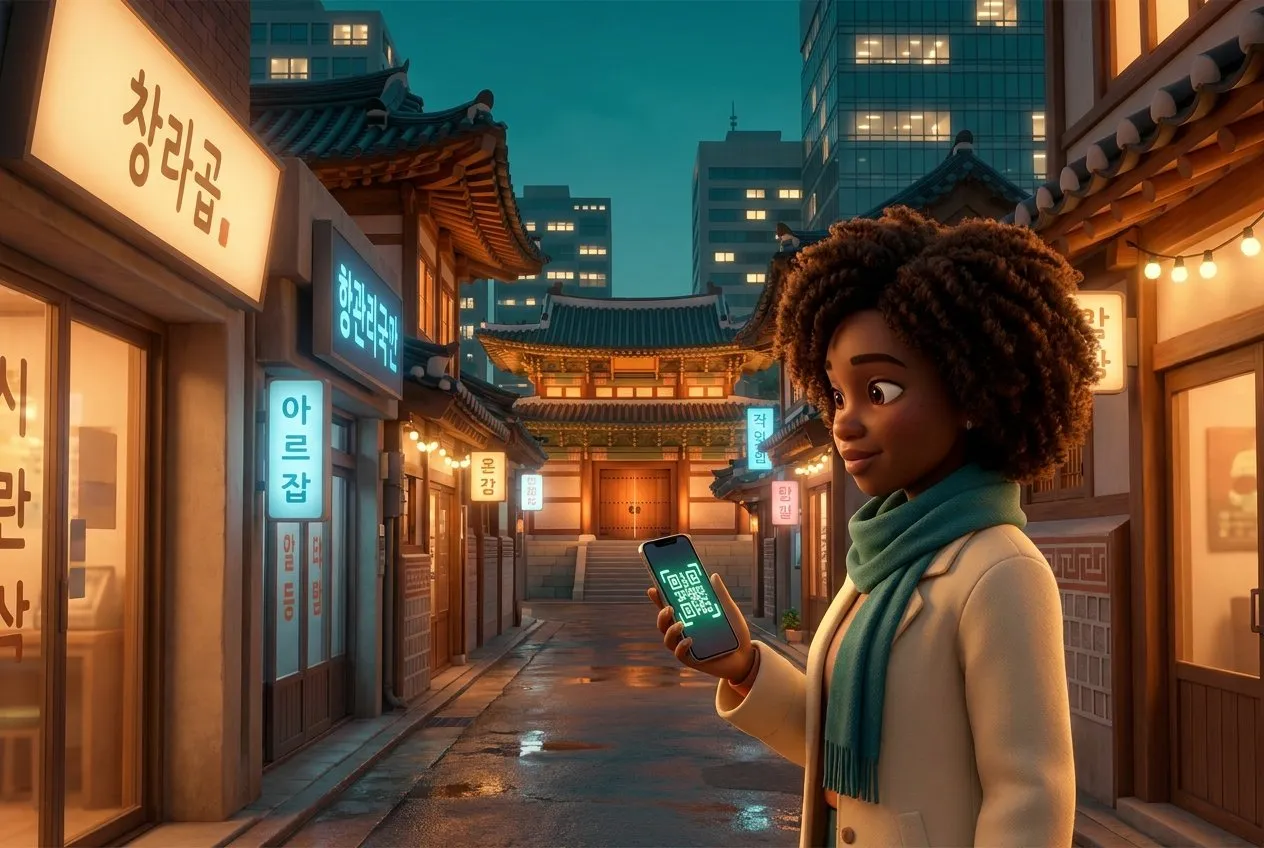
Seoul rewards the booked. Here is what to reserve before you land, and what to leave to the alleys.
Affiliate note: this article contains affiliate links. We may earn a commission on bookings — it costs you nothing, and it helps keep the lights on.
Seoul was the first city that ever made me feel under-prepared for being organized. I showed up the way I show up everywhere — a neighborhood picked, a loose skeleton, confidence. Then I stood in front of Gyeongbokgung at dusk watching people with QR codes walk into the night opening I did not know existed, and ate dinner that night in a place I chose because it had a line, which is the tourist version of research.
The line was right, to be fair. The point stands.
Seoul is a city that books things. The locals reserve the palace nights, the baseball seats, the good hair appointments, the table at the place with four stools. Showing up and hoping is not charmingly spontaneous there. It’s just showing up unbooked.
The rhythm: mornings are free, evenings are reserved.
Here’s the shape that works. Seoul’s mornings belong to whoever wakes up — the markets, the mountain trails that start inside the city, the bakeries that sell out by ten. None of that wants a reservation. The evenings are where the city gets structured: timed palace entries, performances, observation decks, anything with a sunset attached. So the skeleton is simple. Book the evenings. Free the mornings. Let the afternoons get decided by whichever alley won the morning.
Three days is enough for Seoul the way one plate is enough at a banquet — it isn’t, but it forces choices, and Seoul is better chosen than surveyed. Pick three neighborhoods, not ten landmarks. Mine, for what it’s worth: one old (the hanok lanes and palace side), one loud (night market territory), one current (wherever the coffee is this year — it moves).
What I book before I land.
The night opening at Gyeongbokgung, when it’s running — those windows are seasonal, capped, and they go. This is the single thing I tell people to check first, because standing in that courtyard after dark rearranges what you think the city is. I book it through Klook, which is simply what works in Asia — it’s the platform the region actually uses, the inventory is deeper there than anywhere else, and the QR codes scan without an argument.
The DMZ, if you’re going. It only runs as a booked tour with your passport details ahead of time — there is no walk-up version of the most fortified border on earth. Book it early in the trip, not the last day; if fog or politics cancels it, you want a second chance.
One high place at sunset — a tower deck or the cable car — for whichever evening looks clear. And any performance you care about, because the good small venues in Seoul sell like the locals they serve: in advance, without sentiment.
The trade-off, said plainly: booking the evenings means you cannot chase a better invitation when one appears, and in Seoul one appears. I’ve eaten a mediocre pre-theater dinner while the table I actually wanted sat thirty meters away with my name not on it. The structure costs you exactly one spontaneous evening. It buys you three that actually happen.
Showing up and hoping is not spontaneity. In Seoul it’s just showing up unbooked.
What I deliberately leave unbooked.
The food, almost entirely. Seoul’s best eating happens at the scale of four stools and a grandmother, and that scale doesn’t take reservations from foreigners — it takes queues, pointing, and trust. Market lunches. The fried chicken places that only make sense after ten. Street food decided by smell at the moment of smelling. Booking your meals in Seoul is how you end up eating the international version of the city.
The neighborhoods themselves. My arrival-walk ritual applies double here: the first afternoon is for walking your first neighborhood with the phone in your pocket, and no reservation should interrupt it.
And the subway is the reason this whole system works — get the transit card at the airport, load it once, and the city becomes a grid of twenty-minute hops. The card also pays at convenience stores, which at 1 a.m. matters more than you’d think.
The first-afternoon walk is described in the neighborhood arrival walk. For judging a booked day like the DMZ trip, see how to book tours that aren't tourist traps, and for transit cards in general, navigating public transit abroad.
The three-day skeleton, if you want mine.
Day one: land, transit card, first neighborhood on foot until dinner finds you. Booked evening: nothing. Jet lag owns you anyway; give it the win.
Day two: old Seoul morning — palace grounds early, hanok lanes before the rental-dress crowds peak, market lunch. Booked evening: the palace night entry if the window’s open, the high place if it isn’t.
Day three: the day trip if you’re doing one — DMZ or a fortress town — or the current-coffee neighborhood if you’re not. Booked evening: the performance, then the night market after, because ending a Seoul trip anywhere quiet is a waste of a city that doesn’t sleep.
That’s the whole article, honestly. Book the scarce evenings. Walk the abundant mornings. Know which is which.
Zoe
Zoe · Seoul, July 2026