Organize Bookshelves That Work Like They Should
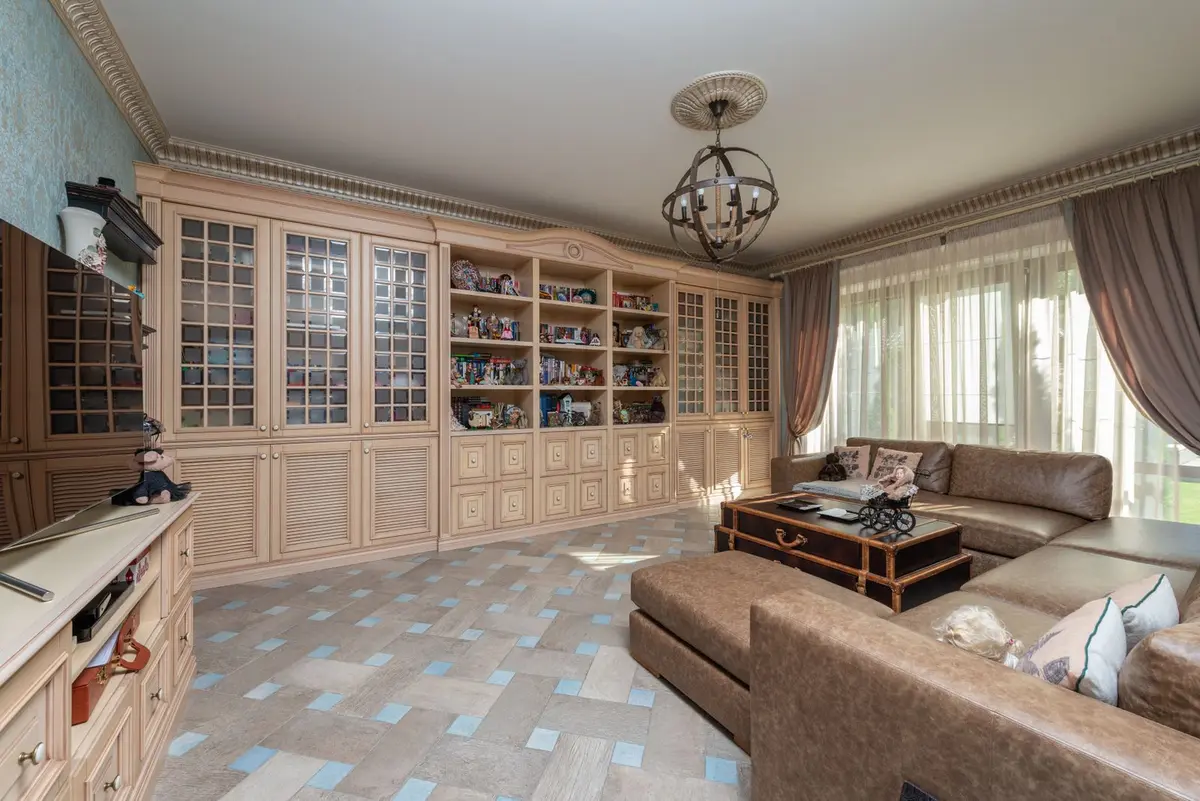
Organize bookshelves by removing everything, sorting books by category or frequency of use, then arranging spine-out with room to grow, keeping daily reads at eye level and decorative objects to 20% of shelf space.
- Difficulty
- Beginner
- Time
- 2-3 Hours
- Cost
- $0 - $40
- Tools
- Damp cloth, Bookends (if needed), Donation boxes
- Permit required
- No
- Contractor recommended
- No
- You will need
- Damp cloth for cleaning, 2–4 pairs metal or stone bookends, Small basket or tray for staging zone, Donation box for culled books, Measuring tape (optional), Notebook or phone to track frequently grabbed titles
Materials
- 2-4 pairs Metal or stone bookends (Only needed for partial shelves or sections with decorative objects breaking up rows) — $12 - $35 per pair
- 1 Small basket or tray (For staging zone to hold incoming books and library returns) — $8 - $15
Step by step
Clear the entire slate
Pull every book, object, and stray paper off the shelves. Stack books on the floor or a nearby table in loose piles — you're not organizing yet, just clearing the field. Wipe down each shelf with a damp cloth while they're empty. This is your only chance to clean properly and see the full space you're working with.
Tip: Take a photo of the empty shelves — seeing the full space helps you visualize the end result and resist over-cramming later.Admit which books stay
Make piles based on how you actually use books, not theoretical categories. Common splits: currently reading, reference you grab often, finished but keeping, decorative or coffee table books. If you haven't opened something in two years and don't plan to, set it aside for donation. Be ruthless here — shelf space is real estate.
Tip: Books you feel guilty about not reading but never will are dead weight — donate them so someone else actually reads them.Assign zones strategically
Put daily-use books at eye level where you can grab them without thinking. Reference books go nearby, within arm's reach. Decorative books and rarely-touched volumes go on top and bottom shelves. Match book height to shelf spacing — don't waste 14 inches of vertical space on eight-inch paperbacks when tall art books need the room.
Tip: The best shelf is the one between your shoulder and hip — that's prime real estate for books you actually read.Position with purpose
Place books spine-out in your assigned zones, leaving one to two inches of empty space at the end of each shelf. This buffer lets you add new books without reshuffling everything. Group by category if it helps you find things, or go loose if you have a strong visual memory. Skip alphabetizing unless you have 200-plus books — it's maintenance you won't keep up with.
Tip: Stand back every few shelves and check for visual balance — you don't want all the thick hardcovers clustered on one side making the unit look lopsided.Accent with restraint
Decorative objects go on shelves now, but limit them to 20% of total shelf space. Use them to break up long rows of books and add visual rhythm, not fill space. Small sculptures, plants, or framed photos work. Avoid tchotchkes that collect dust and have no meaning. Each object should justify the space it takes from books.
Tip: Group small objects in odd numbers — three small items together reads better than two or four scattered randomly.Anchor loose sections
Place bookends at sections where books won't stay upright on their own, usually at the end of partial shelves or between books and objects. Heavy metal or stone bookends work better than decorative ones that tip. If a shelf is full end-to-end, you don't need them. Test stability by pulling a book from the middle — neighbors shouldn't collapse.
Tip: Oversized art books laid flat at the end of a shelf act as natural bookends and show off their covers.Build in flexibility
Designate one small section — bottom shelf, end of a row, or a nearby basket — as a landing spot for new books before they get filed. This keeps you from cramming arrivals into random gaps and lets you batch-organize once a month. The staging zone is also where library books and borrowed volumes live so you remember to return them.
Tip: Put the staging zone near where you normally drop mail and bags — books end up where you naturally put things down.Keep chaos from returning
Once a month, spend five minutes reshelving strays, clearing out finished books you're done with, and tightening up sections that have gotten loose. This isn't a full reorganization, just maintenance. The system only works if you keep it from degrading back into chaos. Set a phone reminder for the first Sunday of each month.
Tip: Do the reset right after you finish a book — you're already thinking about the shelf and it takes 30 seconds while the momentum is there.
Questions people ask
Should I organize books by color for aesthetics?
Only if you have strong visual memory for cover colors and fewer than 100 books. Most people lose the ability to find specific titles quickly when organized by color. If you want visual appeal, group by size within categories instead — it looks intentional without sacrificing function.
How much empty space should I leave per shelf?
One to two inches at the end of each shelf row. This gives you room to add 3-5 new books before needing to reorganize. More than three inches and books start tipping; less than one inch and you're already at capacity with no flex room.
What do I do with books that don't fit on shelves?
Stack oversized books horizontally in groups of 2-3 at shelf ends or on top of the unit. For overflow, keep a small rolling cart or under-bed storage box for rotating inventory — seasonal reads, books you're between on, or the to-read pile that needs quarterly culling.
Field Notes
- Marcus T. — After two failed attempts at color-coding, I switched to organizing by size within loose categories. Turns out I remember books by their physical shape and where they sit on the shelf more than their spine color. Three years in and I can still grab any title in the dark. The key was admitting I have a spatial memory, not a categorical one. — Feb 14 — Portland, OR
- Elena K. — I kept a running list on my phone for two months of every time I went looking for a book. The pattern was obvious — 80% of searches were for the same 15 books. Those went at eye level on the center shelves. Everything else organized itself once I stopped pretending all books had equal importance. The shelf finally matched how I actually read. — Sep 3 — Austin, TX
- David R. — Laying oversized art books flat in stacks of three was the move that made everything click. They became visual anchors and natural shelf dividers. I can stack new photography books on existing piles without reorganizing, and the horizontal breaks make the vertical rows of spines easier to scan. Function solved the design problem. — Nov 28 — Brooklyn, NY
Troubleshooting
Shelves still look cluttered after organizing
Remove 30% of decorative objects and cull another 10-15 books you're keeping out of obligation — visual clutter comes from too much stuff, not wrong arrangement.
Books keep falling over between sessions
You're leaving too much empty space per shelf or need bookends — aim for 1-2 inches of buffer, not 6 inches of gap.
Can't find books even after organizing
Your categories are too theoretical — reorganize based on when you last grabbed each book, not what subject it covers.
Shelves look bottom-heavy or unbalanced
Distribute large hardcovers and oversized books across multiple shelves instead of stacking them all at the bottom.
New books immediately create chaos again
You skipped creating a staging zone — designate a specific spot for incoming books and commit to monthly five-minute resets.