Organize Seed Packets for Next Season
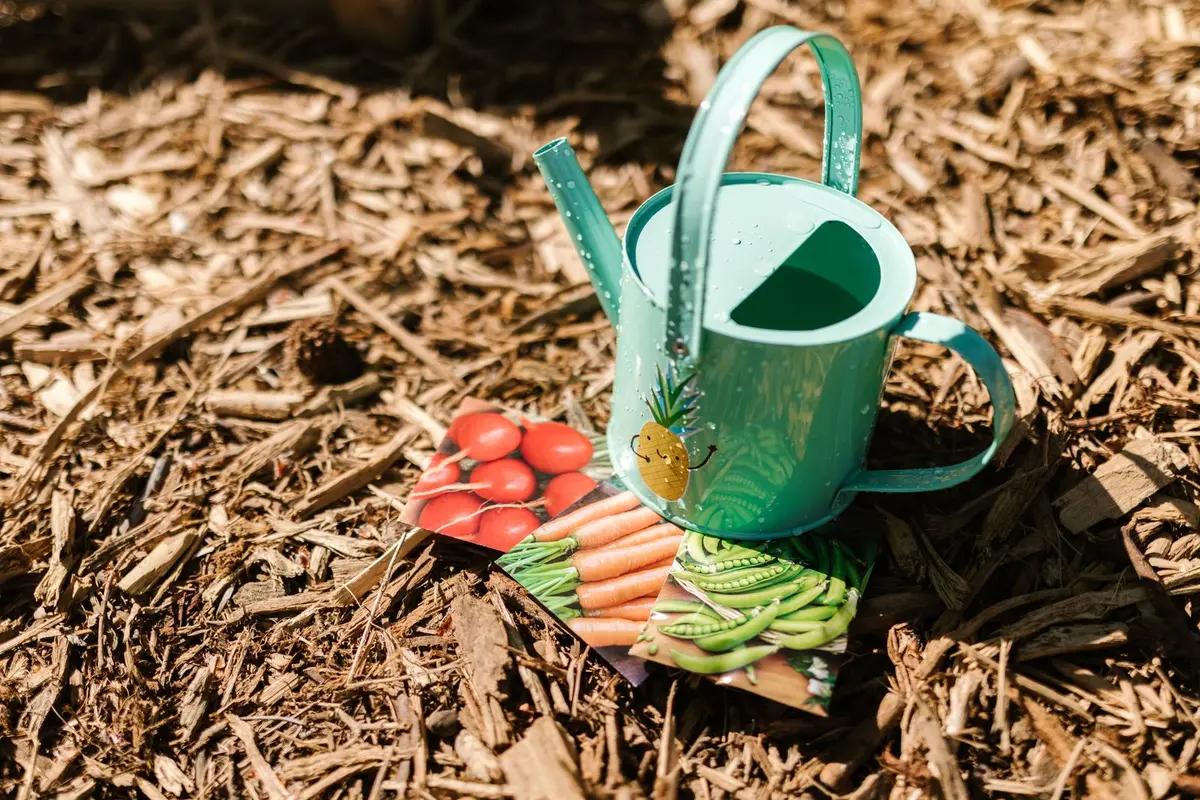
Store seed packets in a cool, dry, dark location using an envelope filing system organized by planting time or plant family, checking viability dates annually.
- Difficulty
- Beginner
- Time
- 1-2 Hours
- Cost
- $10 - $25
- Tools
- Marker, Scissors, Paperclips
- Permit required
- No
- Contractor recommended
- No
- You will need
- Photo storage box or recipe card box (4x6 size), Index card dividers or heavy cardstock, 3–5 silica gel packets, Binder clips or small clothespins, Marker, Scissors, Paperclips, Index cards for reference sheet
Materials
- 1 box Photo storage box or recipe card box (4x6 size) (Plastic or metal with a lid. Avoid anything with ventilation holes.) — $8 - $15
- 6-8 dividers Index card dividers or heavy cardstock (Cut from file folders if you're not buying dedicated dividers.) — $3 - $6
- 3-5 packets Silica gel packets (Save from product packaging or buy a small container of reusable gel.) — $5 - $8
- 10-12 clips Binder clips or small clothespins (For grouping multiple packets or securing loose envelopes.) — $2 - $4
Step by step
Start with a Clean Slate
Empty every drawer, jar, and shoebox where seeds have collected. Check the packed-for date or expiration date on each packet — most seeds stay viable 2-4 years if stored properly, but some like parsnips and onions decline after one year. Toss anything obviously past prime or packets you've been ignoring for three seasons. You're not going to plant them.
Tip: Write the year you opened a packet directly on the front in marker — 'opened for' dates matter more than 'packed for' dates.Pick Your Filing System
Decide how you'll categorize: by planting time (early spring, late spring, summer, fall), by plant family (brassicas, nightshades, legumes, root crops), or by garden location if you have dedicated beds. The best system matches your actual workflow — if you plant everything in one big spring push, seasonal filing makes sense. If you succession plant and rotate families, taxonomic grouping works better.
Tip: Most gardeners end up with seasonal filing because that's how seed catalogs ship and how planting actually happens.Find the Right Container
Use a photo storage box, recipe card box, or small file box that holds envelopes upright. Plastic is fine, metal is better for moisture control. Avoid anything decorative that tempts you to keep it in a warm or sunny spot. The container should fit in a basement, garage corner, or cool closet — not on a kitchen shelf. Add dividers made from cardstock or old file folders.
Tip: A 4x6 photo box from the craft store holds standard seed packets perfectly and costs under ten dollars.File Like a Pro
Stand packets upright behind labeled dividers so you can flip through them like files. Put the most-planted or next-to-plant categories in front. If packets are too floppy, clip several together with a binder clip or small clothespin. For loose seeds in homemade envelopes, paperclip them to an index card with the variety name and date harvested written clearly.
Tip: Face all packets the same direction with the front illustration visible — you'll find things faster scanning images than reading tiny text.Control Moisture First
Drop 2-3 silica gel packets (the kind that come in shoe boxes or vitamin bottles) into your storage container. Seeds hate humidity. If you don't have any saved, buy a small pack online or use a tablespoon of dry rice in a paper envelope as a makeshift desiccant. Replace or re-dry silica gel annually.
Tip: Indicating silica gel turns from blue to pink when saturated — bake them at 200°F for two hours to regenerate.Location Matters Most
Place the container somewhere that stays between 32-41°F if possible, or at least below 70°F and away from temperature swings. Basement storage rooms, attached garages (not detached sheds), or the back of a coat closet work well. Avoid attics, mudrooms, or anywhere near heat sources. Dark matters — light degrades seed viability faster than most people realize.
Tip: If your basement is damp, keep seeds in the fridge vegetable drawer instead — just don't freeze them.Document What Works
On an index card or inside the box lid, write down the varieties you actually planted last season and how they performed. This takes five minutes and saves you from buying the same disappointing cucumber three years in a row. Include planting dates if you want to track timing year over year.
Tip: Use a pencil, not pen — you'll want to erase and update notes each season.Review Annually
Set a reminder for late winter to review what you have before ordering new seeds. Viability drops every year, so rotate stock and use oldest packets first. This prevents the classic mistake of ordering duplicates because you forgot you already had half a packet of the same thing buried in the box.
Tip: Do your seed inventory the same week you review garden catalogs — you'll remember what gaps to fill.
Questions people ask
How long do seeds actually stay good?
Depends on the crop. Tomatoes, beans, and squash can last 4-6 years in good storage. Lettuce and brassicas hold 3-4 years. Onions, parsnips, and parsley drop to 50% viability after just one year. When in doubt, do a germination test or assume 2-3 years for most vegetables if stored cool and dry.
Should I store seeds in the refrigerator or freezer?
Refrigerator yes, freezer no for most home gardeners. The fridge vegetable drawer provides ideal cool, dark, stable conditions. Freezing requires moisture-proof packaging and can damage seeds if you're opening and closing containers regularly. Stick with cool pantry or fridge storage.
What do I do with half-empty packets?
Fold the top over twice, secure with a paperclip, and write the year you opened it on the front. Store it normally. Most seeds lose viability over time, so use older partial packets first before opening new ones. If a packet has just 10-15 seeds left and it's been open for two years, either plant them all this season or toss them.
Troubleshooting
Packets are too tall and won't stand upright in the box
Fold the top of each packet over once and crease it flat, or trim off the empty top portion with scissors.
Silica gel packets keep turning pink within weeks
Your storage location is too humid — move the box to a drier spot or consider refrigerator storage instead.
Can't remember which seeds are still viable
Do a quick germination test: place 10 seeds on a damp paper towel in a plastic bag for a week and count how many sprout.
Homemade seed envelopes from harvesting keep opening
Use coin envelopes with gummed flaps instead of folding paper, or secure with tape and a paperclip.
Storage box doesn't fit in any cool, dark spot
Use a gallon-size freezer bag as a portable sleeve and store it inside a larger cooler or bin in your coolest closet.
More for the garden: organizing the lawn and garden, lawn and garden guides and lawn and garden cleaning.