Declutter Bedroom Surfaces in One Afternoon
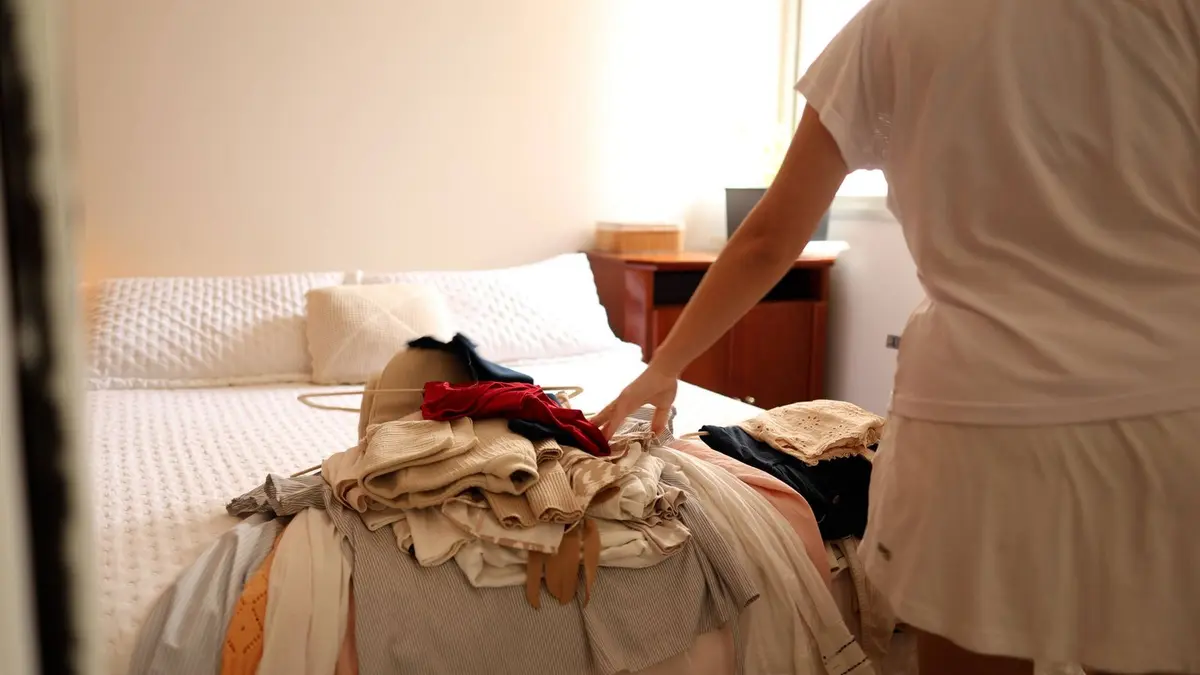
Clear your bedroom surfaces by removing everything, sorting items into keep/relocate/discard piles, then returning only daily essentials with designated homes for each item.
- Difficulty
- Beginner
- Time
- 2-3 Hours
- Cost
- $0 - $25
- Tools
- Phone camera, Four boxes or bags, Permanent marker, Trash bags
- Permit required
- No
- Contractor recommended
- No
- You will need
- Phone with camera, Four boxes or bags, Permanent marker, Trash bags, Small decorative tray or shallow bowl, Access to closet or under-bed storage, One afternoon with no interruptions
Materials
- 1-2 pieces Small decorative trays or shallow bowls (For designated landing pads—choose something visually contained so overflow is obvious) — $8 - $20
- 2-4 pieces Drawer organizers or small bins (Optional but helpful for keeping drawer interiors from becoming junk zones that overflow onto surfaces) — $0 - $15
Step by step
Document the Before Picture
Use your phone to take clear photos of each cluttered surface from the same angle you see it daily. This isn't about shame—it's about having a baseline to compare against when you're done and recognizing patterns in what accumulates where. You'll also spot items in the photos you completely stopped seeing in person.
Tip: Date the photos so you can track how long surfaces stay clear after this declutter session.Pull Everything Off
Remove everything from nightstands, dresser tops, windowsills, chairs, and any other horizontal bedroom surface. Put it all on your unmade bed in one consolidated pile. This forces you to deal with everything before you can sleep tonight and prevents the gradual drift of items back to their cluttered positions. Include items that seem permanent like lamps and picture frames.
Tip: If your bed is made, use the floor instead—you want a temporary staging area that's inconvenient enough to motivate completion.Sort Into Four Piles
Label four boxes or bags: Keep Here, Relocate, Trash, and Decide Later. Work quickly through the pile. Keep Here is only for items that genuinely belong on bedroom surfaces. Relocate is for things that belong in other rooms. Trash includes anything broken, expired, or that you wouldn't pick up off the sidewalk. Decide Later is your safety valve for sentimental or uncertain items—limit it to one shoebox worth.
Tip: Touch each item only once and make an immediate decision—hesitation is how clutter persists.Remove Items Now
Walk the Trash box directly to your outside bin. Don't leave it in the bedroom or it migrates back. Take the Relocate box and put every item in its proper home right now—books on shelves, dishes in the kitchen, tools in the garage. If something doesn't have a home elsewhere, it either needs one or it needs to be trash.
Tip: If you find yourself creating new homes for relocated items, question whether you actually need those items at all.Map Each Item's Home
Before returning anything to bedroom surfaces, designate exactly where each type of item lives. Nightstand drawer for charging cables, specific tray for daily jewelry, back corner for the lamp. The rule is one category per zone. If something doesn't have a specific assigned spot, it doesn't go back on the surface—it goes in a drawer or leaves the room entirely.
Tip: Use painter's tape to outline zones on surfaces while you're learning the system—visual boundaries prevent drift.Return Essentials Only
Put back items from Keep Here according to their assigned homes. Ask whether each item serves you in the next 24 hours. A book you're actively reading belongs on a nightstand. The book you've been meaning to start for six months belongs on a bookshelf. Alarm clock, lamp, and current reading material are essentials. Everything else is optional and most optional items should stay off surfaces.
Tip: If a surface can't fit all its essentials, you've identified too many essentials or need better storage solutions.Build Your Landing Pad
Designate one small tray or shallow bowl as the only approved landing pad for things that pass through—today's receipts, tomorrow's grocery list, this week's earrings. Empty this landing pad completely every Sunday night. This contains the inevitable drift without letting it colonize entire surfaces. The landing pad should hold no more than what fits in two cupped hands.
Tip: Place the landing pad in the spot where clutter naturally accumulated worst—you're working with your habits, not against them.Box and Forget It
Put your Decide Later box in a closet or under the bed with today's date written on the outside. Set a phone reminder for three months from now. If you haven't retrieved a single item from that box by then, donate or trash the entire box without opening it. Things you actually need make themselves known quickly.
Tip: Don't peek in this box before the three-month mark—every item you pull out before then reveals something you should have dealt with during the initial sort.
Questions people ask
How do I keep surfaces clear when I'm naturally messy?
You're not fighting your nature, you're designing around it. Put the landing pad where you naturally drop things, make it small enough that overflow is visually obvious, and schedule a weekly reset. Clear surfaces are about systems that work with your habits, not willpower.
Should I buy organizing products before I start?
No. Declutter first, live with the cleared surfaces for two weeks, then buy only what solves specific problems you've identified. Most people discover they need less storage than they think once they've removed items that shouldn't be there at all.
What if my partner refuses to participate in decluttering?
Clear only your own surfaces and items. Don't touch their stuff. The visible difference between your clear nightstand and their cluttered one often prompts voluntary participation within a few weeks, and if it doesn't, you've still improved your side of the room.
Troubleshooting
Surfaces re-clutter within days of decluttering
You didn't establish specific homes for items or you put back too many things—remove half of what you returned to surfaces and create stricter rules about what qualifies as essential.
Partner or roommate adds clutter faster than you can clear it
Establish shared rules about the landing pad system and schedule a weekly 10-minute team surface reset rather than trying to maintain it solo.
Can't decide what qualifies as essential for surfaces
Remove everything again and live for one week returning only what you actually reach for—your behavior reveals true essentials better than hypothetical planning.
Sentimental items make sorting paralyzing
Sentimental items belong in memory boxes or on display shelves, not mixed with functional clutter on bedroom surfaces—create a dedicated sentimental space elsewhere.
Bedroom has no drawer or closet space for relocated items
This reveals too much stuff for your space—the declutter needs to extend beyond surfaces into a broader bedroom inventory reduction.
More for the bedroom: organizing the bedroom, bedroom cleaning and every bedroom guide.