How to Reset a Nightstand
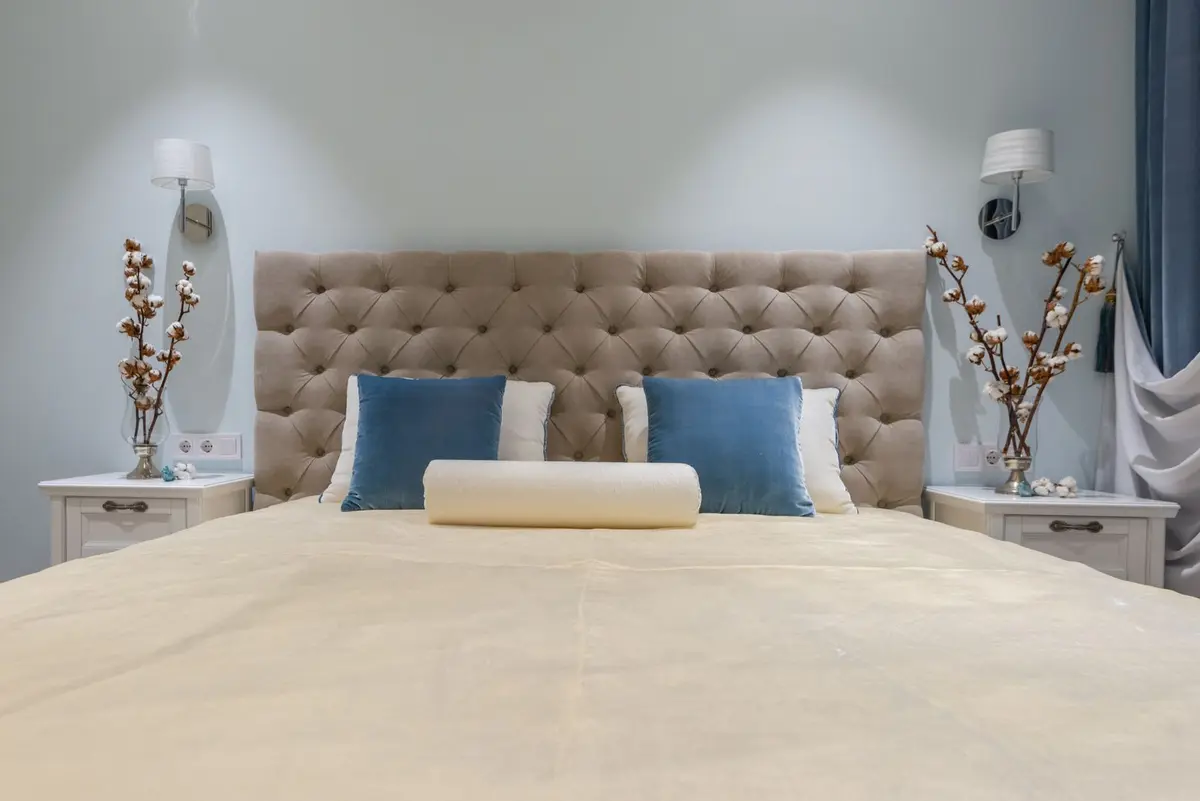
Clear everything off, sort items by purpose, deep clean the surface and drawer, then return only essentials with a designated spot for each item.
- Difficulty
- Beginner
- Time
- 30-45 minutes
- Cost
- $0-$15
- Tools
- Cleaning cloth, All-purpose cleaner, Small trash bag
- Permit required
- No
- Contractor recommended
- No
- You will need
- All-purpose furniture cleaner or wood cleaner, Soft cleaning cloth or microfiber towel, Small trash bag for discarding items, Drawer organizer tray or small boxes, Cable management clips, Vacuum or brush for drawer corners, Dryer sheet for drawer freshness
Materials
- 1-2 pieces to fit drawer dimensions Drawer organizer tray or small boxes (Measure your drawer interior before buying — many nightstand drawers are shallower than standard organizers) — $8-$15
- 3-4 clips Cable management clips (Adhesive clips that route charging cables prevent the tangled mess that kills drawer functionality) — $5-$8
- What you already own All-purpose furniture cleaner (Use wood cleaner for wood surfaces, damp cloth for laminate — no special products needed) — $0
Step by step
Remove Everything First
Remove everything from the top surface and all drawers. Place items on your bed in a single layer so you can see what you have. Include the lamp, clock, and items you plan to keep — everything comes off. This complete evacuation lets you see the full scope and prevents the common mistake of organizing around clutter instead of removing it.
Tip: Use your bed as the sorting surface so you are forced to complete the project before sleeping tonight.Four Piles, One Decision
Make four piles on your bed: Keep Here, Relocate, Trash, and Decide Later. Keep Here is only for items that genuinely belong within arm's reach of sleep. Relocate includes anything that belongs in another room. Trash is obvious. Decide Later is for items you are genuinely uncertain about — limit this pile to five items maximum and handle them at the end.
Tip: If you have not used something from the nightstand in two weeks, it does not belong there regardless of theoretical usefulness.Deep Clean While Empty
Wipe down the top surface, drawer interiors, and drawer fronts with appropriate cleaner for the material. Remove dust from the lamp base and cord. Vacuum any debris from drawer corners. This is the only time the nightstand will be completely empty, so clean it completely now.
Tip: Run a dryer sheet along the inside bottom of drawers to reduce dust accumulation and add a clean scent.Create Drawer Zones
Use small boxes, dividers, or drawer organizer trays to create designated zones inside the drawer. Each category of item gets its own space — charging cables in one section, medications in another, reading glasses in a third. The organization should be simple enough that you will actually use it when returning items in the dark.
Tip: Shallow containers work better than deep ones for nightstand drawers because you need to find things by touch at night.Place Only the Essentials
Place items back with intention. The top surface should hold only what you use daily: lamp, clock, current book, and one clear spot for a water glass. The drawer holds items you need accessible but not visible: chargers, lip balm, hand lotion, notepad, earplugs. Everything gets a specific home, not just a general area.
Tip: If your phone charges on the nightstand, route the cable through the back or use a cable clip to prevent cord tangle.Decide and Disperse
Take items from the Relocate pile to their proper rooms immediately. For the Decide Later pile, give yourself two minutes per item to make a final decision — keep elsewhere, keep here, or discard. Do not let these items return to the nightstand by default.
Tip: Items in Decide Later almost always belong in Relocate or Trash once you force a real decision.One In, One Out
Before the project ends, commit to a maintenance rule: when something new arrives on the nightstand, something else must leave within 24 hours. This prevents the accumulation that created the problem. A new book replaces the finished one. A new lotion bottle means the old one goes in the bathroom trash.
Tip: Set a monthly phone reminder to do a five-minute nightstand audit before clutter rebuilds to critical mass.
Questions people ask
How many items should a nightstand hold?
The top surface should hold three to five items maximum: lamp, clock or phone, current book, and open space for a glass. The drawer can hold more but should never be filled beyond 60% capacity or it becomes a junk drawer you stop using purposefully.
What actually belongs on a nightstand versus nearby storage?
Only items you use immediately before sleep or immediately upon waking belong on the nightstand. Everything else — books you will read eventually, extra chargers, old receipts, unsorted mail — belongs in another room entirely. If you do not reach for it weekly at minimum, it does not belong within arm's reach of your bed.
How do you prevent clutter from rebuilding after resetting?
Create a physical limit like a small tray for the surface and compartments for the drawer, then enforce the rule that new items only arrive when old items leave. The absence of empty space prevents accumulation. Also establish a weekly habit of returning migrated items to their real homes before the pile becomes normalized again.
Troubleshooting
The drawer does not close smoothly after organizing
You have overfilled the drawer or stacked items too high — remove half the contents and reassess what truly needs nightstand access versus bathroom or closet storage.
Items keep migrating back to the nightstand surface within days
You have not created a specific home for each item type — install a catchall tray for pocket contents and designate a drawer section for items that land on the surface after dark.
The nightstand top still feels cluttered with only essentials
Your essentials list is too long — move the alarm clock function to your phone, move lotion to the drawer, and limit top surface to lamp, one book, and one drink space maximum.
Cannot fit drawer organizers in the shallow drawer
Use flat containers like soap dishes or small trays instead of tall organizers, or create zones with removable tape lines if the drawer is too shallow for any container.
More for the bedroom: organizing the bedroom, install a full closet system and how to create a listening corner.