Clean a Stovetop Splashguard
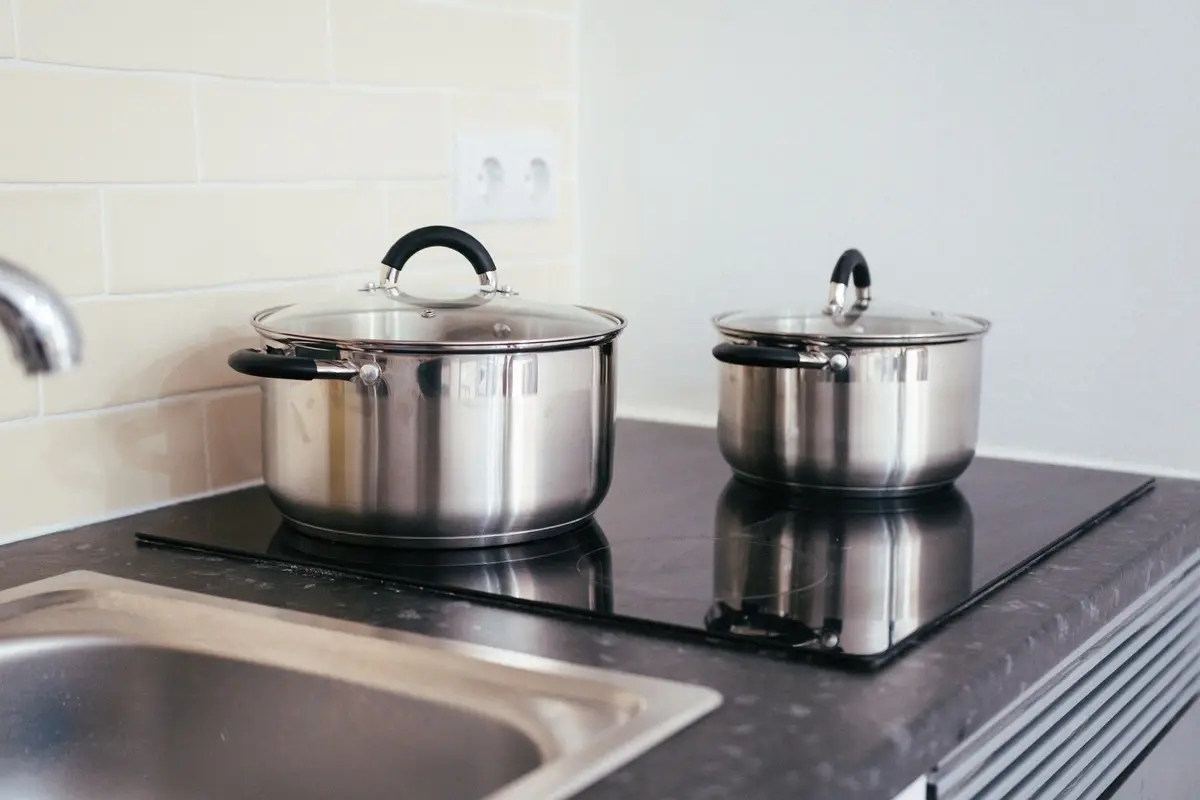
Remove the splashguard, soak it in hot soapy water for 15 minutes, scrub with a non-abrasive pad, rinse thoroughly, and dry completely before reinstalling.
- Difficulty
- Beginner
- Time
- 30-45 minutes
- Cost
- $0 (using household supplies)
- Tools
- Sink or basin, Dish towel, Nylon scrub pad, Soft-bristle brush or old toothbrush
- Permit required
- No
- Contractor recommended
- No
- You will need
- Hot tap water and sink or basin, Dish soap (grease-cutting formula), Nylon scrub pad (non-scratch), Baking soda, Soft-bristle brush or old toothbrush, Clean dish towel, Your splashguard, cooled completely
Materials
- 2 tablespoons Dish soap (concentrated formula works best) (Use a grease-cutting formula like Dawn or similar — generic works but takes longer) — $3 - $6 per bottle
- 1/4 cup Baking soda (Mildly abrasive and cuts through baked-on grease without scratching metal) — $2 - $4 per box
- 1 pad Nylon scrub pad (non-scratch type) (Look for the kind labeled safe for non-stick — usually green or blue, not steel wool) — $4 - $7 for a pack of 3
Step by step
Document and Remove Safely
Let the stovetop cool completely if it was recently used. Most splashguards lift straight up or slide out of bracket clips on either side. Some models have small thumb screws at the base that need loosening first. Set the guard on a towel near your sink.
Tip: Take a photo before removing if the mounting method is not obvious — saves confusion during reinstall.Let Heat Do the Work
Fill your sink or a large basin with the hottest tap water you can manage and add a good squirt of dish soap. Submerge the splashguard completely and let it sit for fifteen minutes. The heat softens the grease layer and the soap begins breaking down the oils.
Tip: If your sink is too small, use a plastic storage bin or lay the guard flat in a stopped bathtub.Attack Every Perforation
Pull the guard out and scrub both sides with a nylon scrub pad or soft-bristle brush. Work in small circles, paying attention to the perforations where grease collects. For stubborn spots, dip the pad in baking soda and scrub again. Avoid steel wool or harsh abrasives that scratch the finish.
Tip: An old toothbrush works perfectly for getting into tight mesh weaves or stamped holes.Flush Every Hole Clean
Hold the guard under running hot water and rinse from both sides. Tilt it at different angles to make sure all soap and loosened grease wash away. Check the perforations closely — leftover soap dries into white streaks.
Tip: Shake the guard vigorously while rinsing to force water through the holes and clear trapped debris.Banish Water Spots Now
Use a clean dish towel to dry both sides thoroughly. Pay special attention to edges and corners where water pools. If the guard is still damp in the perforations, stand it upright and let it air dry for ten minutes before reinstalling.
Tip: Metal guards that go back wet will spot and streak — spend the extra minute drying them properly.Check for Hidden Damage
Look for bent edges, loose mesh, or sharp points that may have developed. If the guard is warped, try gently bending it back to shape with your hands. Small dents are fine, but tears or separated seams mean it is time for replacement.
Tip: Run your finger along all edges to catch any burrs or sharp spots that could cut you during future cleaning.Seat Flush and Stable
Slide the guard back into its mounting brackets or clips, making sure it sits flush and stable. Tighten any thumb screws if your model has them. Give it a light shake to confirm it is seated properly and will not fall during cooking.
Tip: The guard should stand vertical without wobbling — if it leans, check that both sides are fully seated in their clips.
Questions people ask
How often should I clean a stovetop splashguard?
Every two to four weeks if you cook daily, or whenever you notice visible grease buildup. High-heat cooking like stir-frying or searing generates more splatter and requires more frequent cleaning.
Can I put a splashguard in the dishwasher?
Some can handle it, but check the material first. Heavy stainless models usually survive the dishwasher, but thin aluminum or mesh guards may warp from the heat. Hand washing gives you more control and often works better anyway.
What if the grease will not come off no matter how much I scrub?
Try a degreaser spray made for kitchens — let it sit on the guard for five minutes, then scrub with hot water. If that fails, the grease may be polymerized from high heat and the guard may be past saving.
Troubleshooting
Grease still clings after soaking and scrubbing
Make a paste of baking soda and a few drops of dish soap, spread it on the greasy areas, let sit for ten minutes, then scrub again with hot water.
White streaks or film appear after drying
That is dried soap residue — rinse the guard again under hot water and dry immediately with a clean towel.
Guard is warped and will not sit flat in the brackets
Lay it on a flat surface and press down on the high spots with steady pressure — metal usually bends back enough to fit, but badly warped guards need replacement.
Mesh or perforations are clogged with hardened residue
Use a toothpick or bamboo skewer to poke through each hole, then soak again in hotter water with more soap before scrubbing.
More for the kitchen: kitchen cleaning, your kitchen is organized for a kitchen you don't have and every cleaning guide.