How to Deep Clean a Mattress
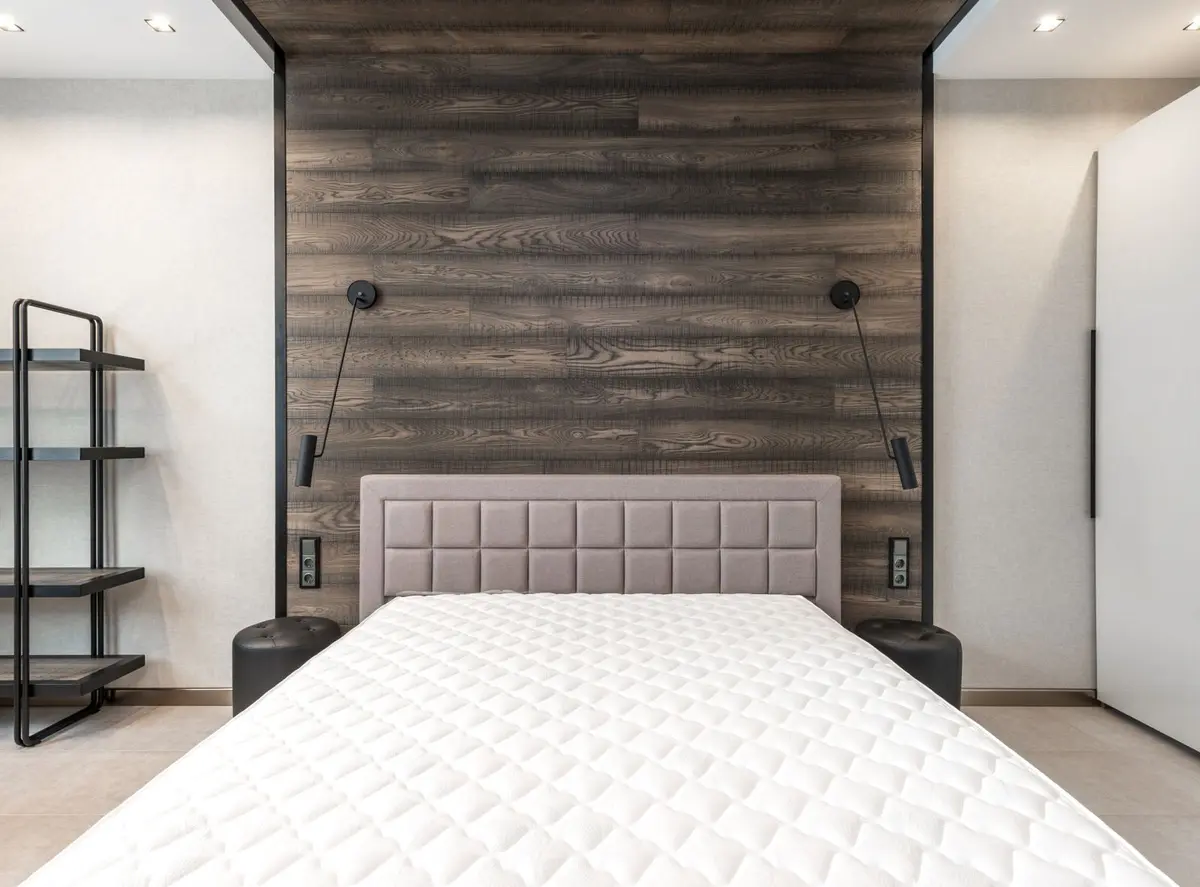
Vacuum the entire surface, treat stains with targeted cleaners, deodorize with baking soda, and air it out in sunlight for 4-6 hours. A thorough mattress cleaning takes 2-3 hours of active work plus drying time.
- Difficulty
- Beginner
- Time
- 2-3 hours (plus 4-6 hours drying time)
- Cost
- $5 - $15
- Tools
- Vacuum with upholstery attachment, spray bottle, clean white cloths, handheld brush (optional)
- Permit required
- No
- Contractor recommended
- No
- You will need
- Vacuum with upholstery attachment, White vinegar (1 cup), Baking soda (1-2 boxes), Spray bottle, Clean white cloths (3-4), Mild dish soap, Access to direct sunlight (4-6 hours), Open bedroom for drying time
Materials
- 1 cup White vinegar, distilled (Essential for organic stains; plain white vinegar only, not cleaning vinegar which is too strong) — $2 - $4
- 1-2 boxes (4-8 oz each, depending on mattress size) Baking soda, food-grade (Buy standard baking soda, not a commercial deodorizer; it's cheaper and just as effective) — $1 - $3
- 1 tablespoon from existing supply Dish soap, mild (Dawn or equivalent) (Use what you already have; this is just for the mixed cleaning solution) — $0 (from home supply)
- 1 Spray bottle, empty (A clean repurposed bottle works fine; capacity doesn't matter as you'll refill as needed) — $1 - $3
- 3-4 pieces Clean white cloths or towels (Old white t-shirts or cleaning rags work perfectly; avoid dyed cloths that might transfer color) — $0 (from home supply)
Step by step
Strip and vacuum both sides
Remove all bedding and set it aside for washing. Use a handheld vacuum or upholstery attachment on a full-size vacuum to work across the entire top surface in overlapping passes. Flip the mattress and vacuum the bottom side the same way. Don't rush—spend 3-4 minutes per side to pull up settled dust and debris.
Tip: Vacuum in straight lines following the mattress quilting pattern; you'll catch more dust than random passes.Target every stain first
Look across the mattress in natural light for any discoloration—old spills, sweat stains, or marks. For organic stains (urine, blood, sweat), mix equal parts white vinegar and water in a spray bottle. For food or other stains, use a solution of one tablespoon dish soap, one tablespoon white vinegar, and two cups warm water. Spray the stain lightly, let it sit for 5-10 minutes, then blot with a clean white cloth. Repeat if needed, working from the outside edges toward the center to avoid spreading.
Tip: Test any cleaner on a hidden corner first; some mattress fabrics can discolor or weaken with harsh cleaners.Blanket with baking soda
Once stains are treated and damp areas have mostly dried, sprinkle a thin, even layer of baking soda across the entire top surface of the mattress. Use about half a box (roughly 1-2 cups) for a queen mattress. Let it sit for 30 minutes to an hour. The longer you leave it, the more odor it absorbs. Flip the mattress and repeat on the bottom side.
Tip: Add 10-15 drops of essential oil (lavender or lemon work well) to the baking soda before sprinkling for scent without chemicals.Extract every baking soda trace
Use your vacuum's upholstery attachment to remove all baking soda from the top surface. Go slowly and make multiple passes—baking soda residue left behind feels gritty and defeats the purpose. Flip the mattress and vacuum the bottom the same way. This step takes longer than you'd expect, but it's essential.
Tip: If your vacuum has a HEPA filter, now is a good time to check it; baking soda can clog filters quickly.Let the sun finish it
Prop the mattress upright outdoors in a sunny location, or lean it against a wall where it gets 4-6 hours of direct sun exposure. Sunlight kills remaining bacteria and mites while drying out any residual moisture from cleaning. If outdoor space isn't available, place it near a sunny window indoors. Avoid humid or damp conditions—the point is dry, direct light.
Tip: Schedule this during the sunniest part of the day; UV light does the real antimicrobial work, not just warmth.Cool and settle before bed
Once the mattress has aired, bring it back indoors and let it rest flat or on its side in the bedroom for 30 minutes before returning it to the frame. This prevents condensation from forming underneath and lets the interior temperature normalize. Make your bed with clean sheets and pillowcases, then let it sit undisturbed for a few hours before sleeping on it.
Tip: If you notice any lingering odor after a week, repeat the baking soda step alone—you don't need to wash everything again.Guard against future buildup
Going forward, vacuum your mattress once a month and use a mattress protector to keep spills and dust out. Protectors are inexpensive and removable, and they extend mattress life by years. Rotate or flip your mattress every 3 months if it's double-sided, or every 6 months for modern single-sided designs. A full deep clean like this one should happen every 6-12 months depending on use.
Tip: A washable mattress protector costs $20-40 and prevents most of the problems that require deep cleaning.
Questions people ask
How often should I deep clean a mattress?
Every 6-12 months, depending on use and whether you have a mattress protector. If someone in the household is ill, has allergies, or there have been spills, do it more frequently. Light vacuuming should happen monthly. A protector extends the time between deep cleans significantly.
Can I use commercial mattress cleaners instead of vinegar and baking soda?
Yes, but they're not necessary. Commercial cleaners are more aggressive and sometimes leave residue. Vinegar works equally well on organic stains, and baking soda is as effective as any commercial deodorizer. If you prefer a commercial product, choose enzyme-based cleaners for biological stains and follow package directions carefully.
What if I don't have outdoor space to air the mattress?
Place it near a sunny window indoors for 4-6 hours, or position it in a room with good air circulation and open windows. Sunlight through glass is less effective than direct outdoor sunlight, so extend the time to 8 hours if possible. A fan running nearby also helps dry residual moisture.
Troubleshooting
Stubborn stains that don't respond to vinegar or soap solution
Mix a paste of baking soda and water, apply directly to the stain, let sit 15 minutes, then blot. For protein-based stains (blood, urine), enzyme-based cleaners work better than acid solutions—use a commercial enzyme cleaner following package directions.
Baking soda residue left behind after vacuuming
Use a damp cloth to wipe down the surface after vacuuming, or make a second pass with the vacuum's brush attachment. Let any moisture dry completely before using the mattress.
Musty or chemical smell lingering after cleaning
Extend the sunlight airing to 8 hours if possible, or open windows in the bedroom for 24-48 hours. If the smell persists, place crumpled newspaper or activated charcoal near the mattress overnight to absorb odors.
Mattress feels damp or cold to the touch after cleaning
You used too much liquid. Increase airflow by opening windows, running a fan, or placing a dehumidifier nearby. Do not use the mattress until it's completely dry, typically 8-12 hours of air circulation.
Baking soda staining or discoloring the mattress fabric
This is rare but can happen with prolonged contact on delicate fabrics. Reduce sitting time to 30 minutes max, or skip baking soda entirely and rely on sunlight and vinegar spray for deodorizing.
More for the bedroom: bedroom cleaning, the first hour of water damage and every cleaning guide.