Refresh Hardwood Floors Without Refinishing
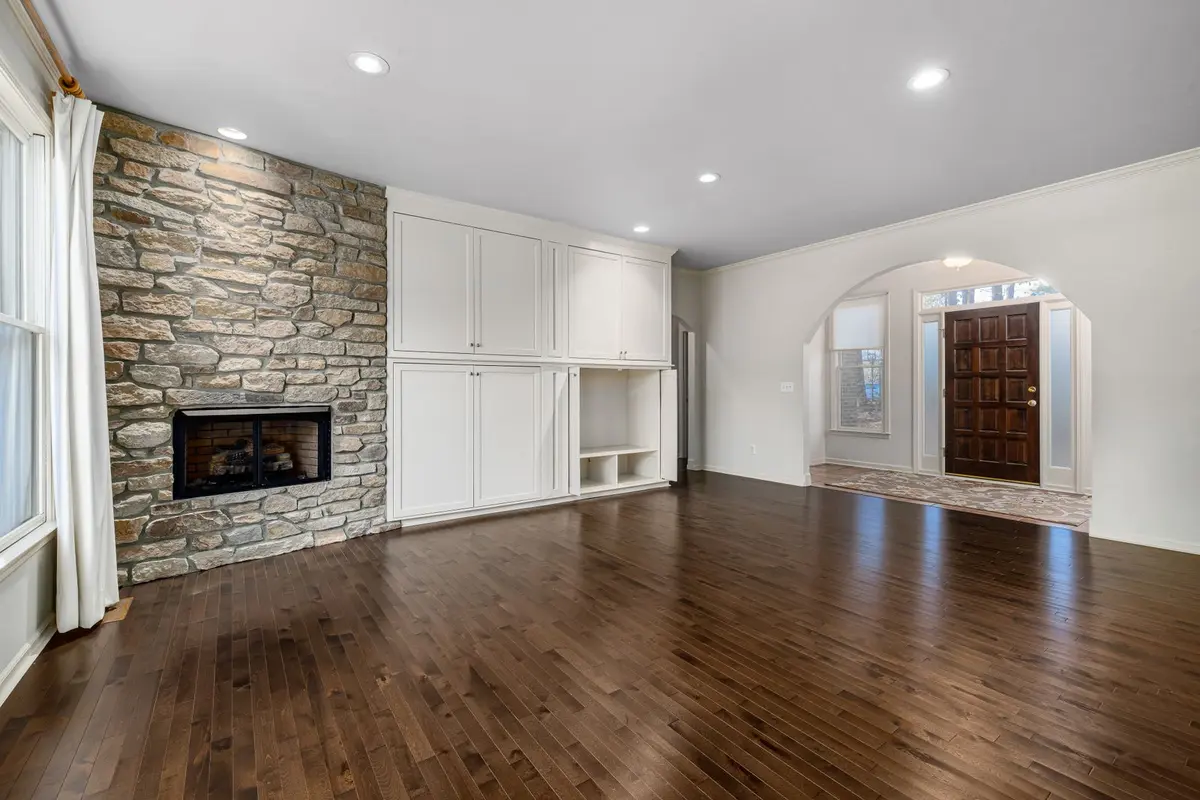
Refresh tired hardwood floors by deep cleaning, buffing out minor scratches, and applying a fresh coat of polyurethane or floor revitalizer—bringing back luster without sanding.
- Difficulty
- Intermediate
- Time
- 1-2 Days
- Cost
- $60 - $180
- Tools
- Vacuum with soft brush attachment, Microfiber mops, Lambswool applicator, Paint tray, Steel wool (0000 grade), Tack cloths, Floor buffer (rental, if screening)
- Permit required
- No
- Contractor recommended
- No
- You will need
- Hardwood floor cleaner concentrate (pH-neutral), Floor revitalizer or water-based polyurethane (1 gallon), Steel wool pads, 0000 grade (1 pack), Microfiber mop pads (3 extras), Tack cloths (6-pack), Lambswool applicator or flat mop, Paint tray, Floor buffer with maroon screening pad (rental, optional)
Materials
- 1 bottle (32 oz) Hardwood floor cleaner concentrate (pH-neutral formula designed for finished wood—avoid all-purpose cleaners that leave residue) — $12 - $18
- 1 gallon (covers 400-500 sq ft per coat) Floor revitalizer or water-based polyurethane (Revitalizer for light refreshing, poly for more worn floors needing durability) — $35 - $75
- 1 pack (12 pads) Steel wool pads, 0000 grade (Superfine grade only—coarser wool will scratch through the finish) — $8 - $12
- 3 pads Microfiber mop pads (Have extras to swap out as they get dirty during cleaning) — $15 - $25
- 1 pack (6 cloths) Tack cloths (Sticky cloths that grab fine dust better than any rag) — $6 - $10
- 1 pad (20-inch) Maroon screening pad (if buffing) (Rent the buffer for $40-60/day; pad attaches underneath) — $8 - $12
Step by step
Strip the room completely.
Remove all furniture, rugs, and debris from the room. Vacuum thoroughly using a hardwood floor attachment or soft brush head, working along the grain and hitting baseboards and corners. Follow with a microfiber dust mop to catch fine particles the vacuum missed.
Tip: Tape plastic sheeting over doorways to keep dust from migrating into other rooms.Dissolve years of buildup.
Mix hardwood floor cleaner according to directions—never saturate the floor. Use a barely damp microfiber mop and work in sections, wringing the mop frequently. Let the floor dry completely, at least one hour. This removes the film that makes the finish look dull.
Tip: Change your cleaning water every 200 square feet to avoid redistributing grime.Smooth the worn spots.
For small scratches and scuffs, rub gently with 0000 steel wool along the grain. Use light pressure and work in small circular motions. Wipe away residue with a tack cloth. This smooths the surface without cutting through the finish.
Tip: Keep the steel wool flat against the floor—edges can gouge if you press too hard.Abrade for superior adhesion.
For floors with widespread dullness, rent a buffer with a maroon screening pad. Run the buffer slowly along the grain, overlapping passes slightly. This abrades the existing finish just enough for the new coat to bond. Vacuum and tack cloth thoroughly afterward.
Tip: Practice buffer control in a closet first—these machines can get away from you fast.Coat thin and keep moving.
Pour a small amount of revitalizer or water-based poly into a paint tray. Use a lambswool applicator or flat mop, working in sections from the far corner toward the exit. Apply in thin, even coats along the grain. Let dry per product directions, usually two hours.
Tip: Don't puddle the finish in corners—thin is better than thick for avoiding lap marks.Double the luster, double-check timing.
Once the first coat is fully dry, lightly buff with a clean microfiber cloth to smooth any raised grain. Apply a second thin coat using the same technique. This builds depth and durability. Allow overnight curing before light foot traffic.
Tip: Open windows for ventilation but avoid fans that can blow dust onto wet finish.Patience now, protection always.
Wait 24 hours before walking on the floor in socks, 48 hours before replacing furniture. Use felt pads under all furniture legs. Avoid area rugs for one week to let the finish fully harden. Clean only with a dry microfiber mop for the first week.
Tip: Place cardboard pathways if you absolutely must cross the floor during curing.Lock in the years of luster.
Sweep or vacuum daily in high-traffic areas. Damp mop weekly with hardwood cleaner. Place mats at exterior doors to catch grit. This refresh can last three to five years with proper care, delaying the need for full refinishing.
Tip: Address spills immediately—standing water is the enemy of every hardwood finish.
Questions people ask
How do I know if I need a full refinish instead of a refresh?
If you can see raw wood through the finish, have deep gouges that catch your fingernail, or the floor feels rough and splintery in worn areas, you need full refinishing with sanding. A refresh only works when the existing finish is mostly intact.
Can I use this method on engineered hardwood?
Yes, but skip the screening step—engineered floors have a thin veneer that won't survive aggressive buffing. Clean thoroughly and apply revitalizer only. Most engineered products can handle one or two refreshes before the veneer is too thin.
What's the difference between floor revitalizer and polyurethane?
Revitalizer is a thinner product that enhances existing finish and fills minor scratches without building much thickness—best for floors in decent shape. Polyurethane adds a full protective layer and lasts longer, but requires better surface prep. Revitalizer is easier for beginners.
Troubleshooting
Finish looks streaky or has visible lap marks
You applied too thick or didn't maintain a wet edge—lightly buff with 0000 steel wool and apply an ultra-thin third coat, working faster.
Floor still looks dull after cleaning
The old finish may have wax buildup—use a wax stripper product before applying new coating, or the fresh finish won't bond properly.
Bubbles appear in the finish while drying
You shook the can instead of stirring, or the floor was too warm—pop bubbles with a pin immediately and work in cooler conditions for next coat.
White haze appears after buffing
You used steel wool that was too coarse or pressed too hard—the haze is micro-scratching, requiring light sanding and recoating.
New finish peels or flakes within days
Surface wasn't clean or was contaminated with oil-based residue—strip the new coat, deep clean with mineral spirits, and start over.
More for this room: living room cleaning, living room decorating and every living room guide.