Hair Maintenance Across Time Zones
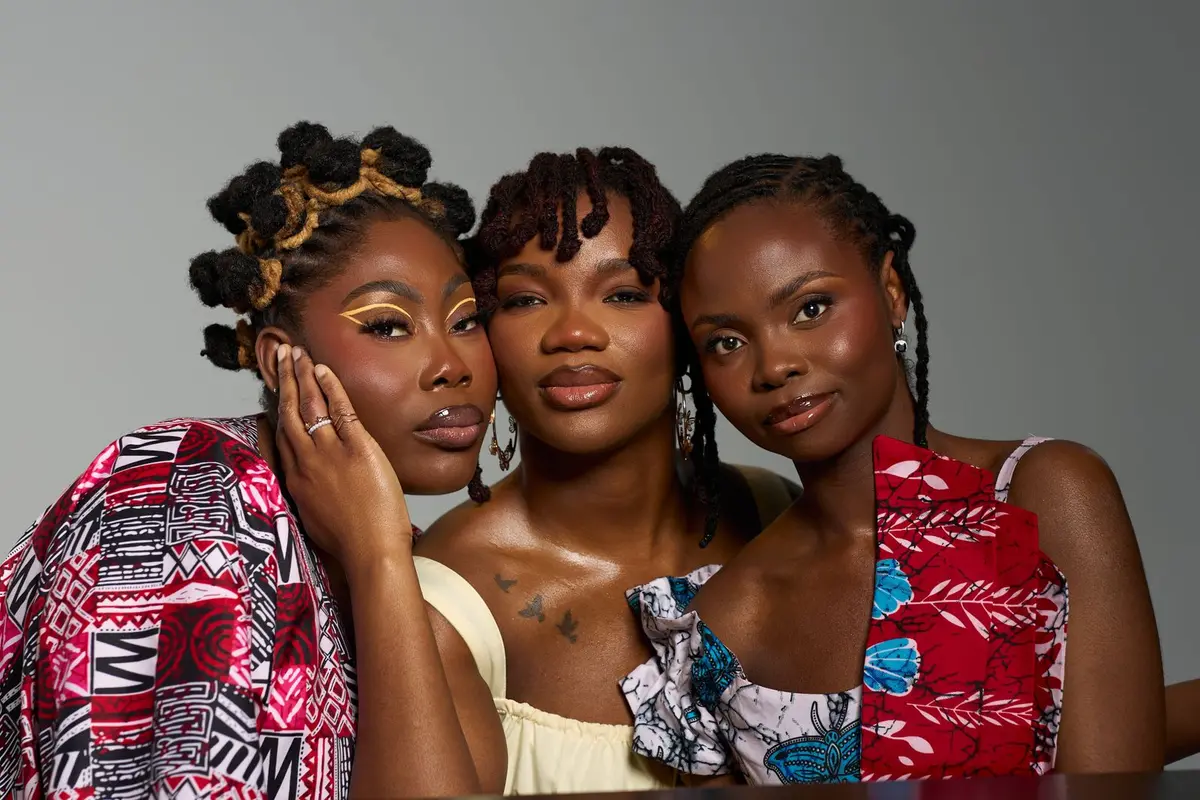
Crossing three time zones involves prolonged periods of sedentary travel and recycled air. Hair is subject to structural dehydration and friction against headrests during these intervals. A protective style serves as a barrier against environmental shifts while maintaining the hair in a static, low-tension configuration.
The objective is to secure the hair without exacerbating stress on the follicles or scalp. Select a style that permits rest and remains functional upon arrival.
- Difficulty
- Beginner
- Total time
- 15 minutes
- Cost
- Minimal
- Cadence
- Apply once per departure
Ingredients
- Glycerin-based moisturizer: Maintains hydration in low-humidity cabin air
Tools List
- Wide-tooth comb
- Silk or satin hair accessory
Step by step
Prepare the substrate
Begin with detangled hair to ensure no knots tighten during the journey. Apply a lightweight, water-based hydrator to the mid-lengths and ends. Focus on sealing the cuticle without excessive residue. Ensure the hair is fully dry before attempting the style.
Tip: Use a wide-tooth comb to avoid breakage.Section and secure
Divide the hair into two symmetrical sections if necessary to manage volume. Gather the hair into a low, loose braid or a pair of twists positioned at the nape of the neck. Avoid high placements that conflict with travel pillows. Ensure the tension is minimal.
Tip: Avoid tight tension at the hairline.Protect the ends
Secure the ends by folding them into the braid or wrapping them with a silk-lined accessory. Exposed ends are the primary site of mechanical damage due to friction against upholstery. A silk or satin cover provides a low-friction surface that prevents snagging.
Tip: Ensure the accessory is not abrasive.Final check
Verify that no individual strands are being pulled at the roots. Test the style by resting your head against a firm surface to confirm the placement does not create pressure points. The style should remain stationary without needing further adjustment during the flight.
Tip: Keep the style simple for easy removal.
Trouble
What if my hair feels dry after the flight?
Apply a pea-sized amount of oil to the ends to rehydrate. Do not wash the hair immediately upon arrival.
Is a bun safer than a braid?
A low braid is generally superior as it causes less structural fatigue. A bun may create a pressure point against the seat.
My scalp feels tight; should I remove the style?
Yes. Scalp discomfort indicates excessive tension that can cause physical strain. Re-style with more slack.
Can I use hairspray to keep it in place?
Avoid chemical fixatives during travel. Hairspray can lead to stiffness and breakage if the hair is pressed against surfaces.
Efficiency in travel depends on minimizing the frequency of intervention.
Simplicity is the only reliable defense against long-haul fatigue.