The Hybrid Drying Method: Roots vs Lengths
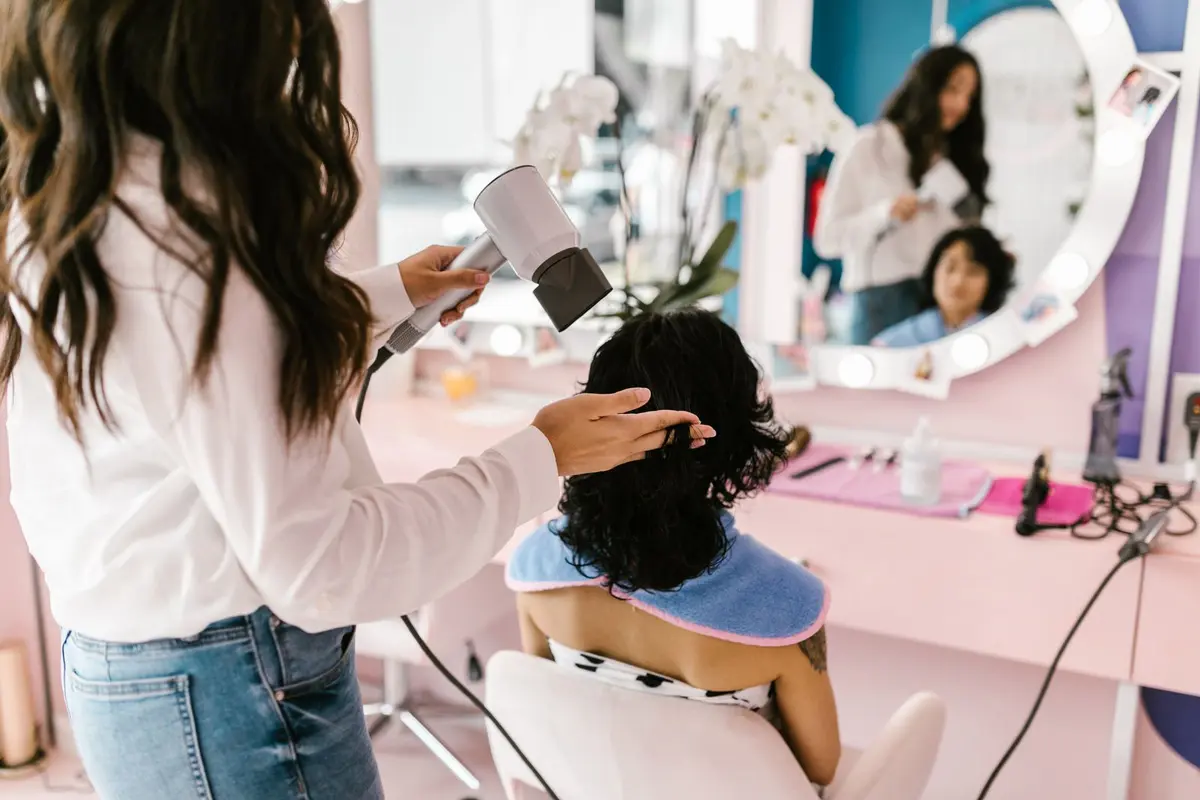
Drying hair in a single motion often leads to flat roots or parched ends. The hybrid drying method separates the head into two distinct zones, treating the scalp area for volume and the lengths for moisture retention. This mechanical approach prevents the common friction damage caused by over-drying the mid-lengths while the roots remain damp.
By controlling the environment of each hair section, you maintain the structural integrity of the cuticle. This process requires patience and a systematic divide-and-conquer strategy.
- Difficulty
- Beginner
- Total time
- 25 minutes
- Cost
- Minimal
- Cadence
- Weekly
Ingredients
- None: This is a mechanical technique; products are optional and secondary.
Tools List
- Microfiber towel or wrap
Step by step
Prepare with a targeted microfiber wrap
Wrap your hair in a microfiber towel for exactly five minutes. This draws excess moisture from the lengths without roughing the hair fiber. Do not rub the towel against your scalp or hair. You want to remove the bulk of water before introducing heat.
Tip: Secure the towel without twisting the lengths.Target the roots with high-velocity airflow
Use a concentrator nozzle on your dryer to isolate the roots. Keep the dryer moving in small, circular motions directly against the scalp. Ensure the lengths are pulled away or pinned up during this phase to avoid unnecessary heat exposure. Focus solely on the first four inches of hair growth.
Tip: Use a medium heat setting to avoid scalp discomfort.Transition to air-drying the lengths
Once the root zone is 90% dry, stop using the mechanical dryer entirely. Leave the lengths to finish drying through ambient air exposure. This allows the hair to settle into its natural weight and shape. Avoid brushing the hair while it is in this transitional damp state.
Tip: Use your fingers to lightly detangle if necessary.Final polish and set
After the lengths reach full dryness, gently distribute your fingers through the hair to soften any sectioning lines. If additional texture is required, tilt your head forward for a quick, cool-air blast at the roots. This final step sets the volume and prevents the hair from falling flat.
Tip: Use the cool shot button for the final set.
Trouble
My roots are still damp after 10 minutes.
Increase the velocity of your dryer, not the temperature. High speed moves moisture faster without overheating the scalp.
My lengths feel frizzy after drying.
You are likely using too much heat or movement. Keep the dryer focused only on the roots and leave the ends alone.
Can I use a brush during the root phase?
Only if you are skilled with a round brush. For the hybrid method, keeping the hair static during the root phase prevents unnecessary tension.
How do I deal with heavy hair?
Section the hair into four quadrants. Work through one quadrant at a time to ensure the roots are fully dried before moving to the next.
Separate the zones of your hair to preserve the moisture of your ends and the lift of your roots.
Dry your hair as if it were two different materials: the roots need setting, the lengths need protecting.