Choosing the Right Heat Tool Material
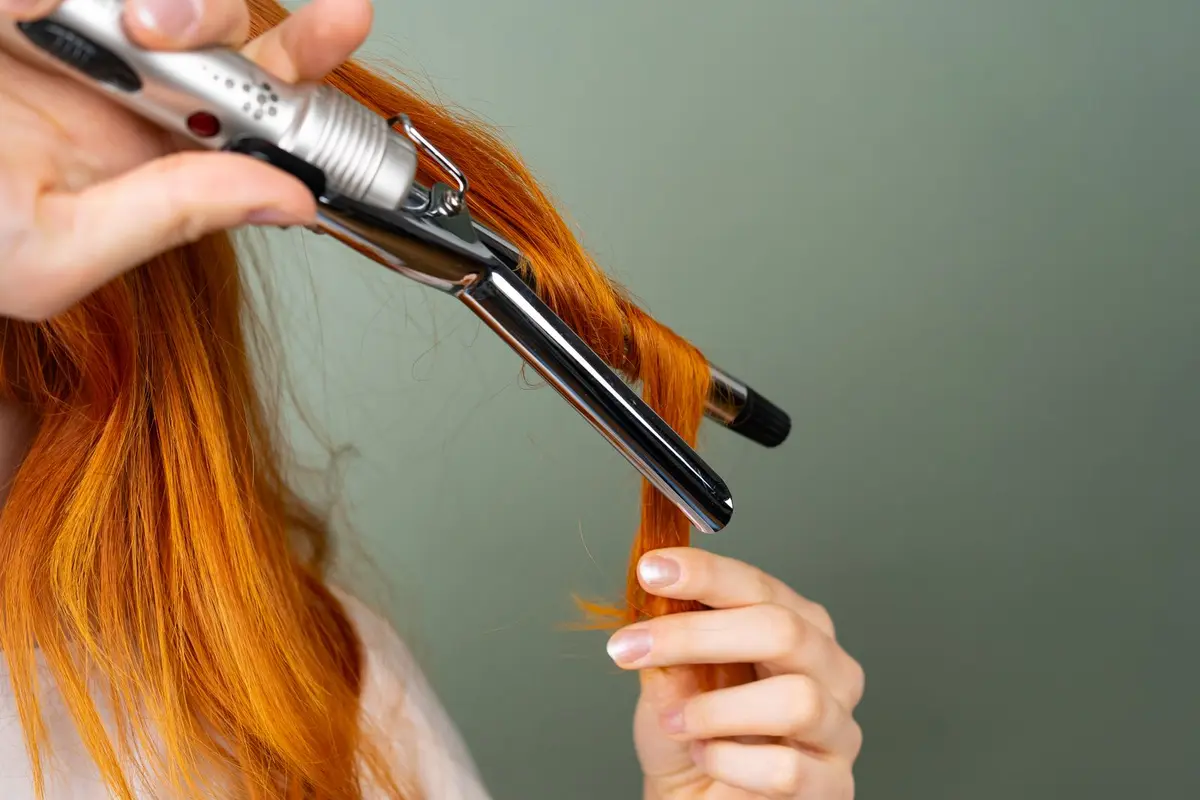
The material of your heating plates dictates how heat is conducted and transferred to your hair. Understanding the differences between ceramic, ionic, and titanium technology is necessary for consistent results. Each material interacts with hair fibers differently, affecting texture, shine, and moisture retention.
Selecting the appropriate tool is a matter of matching plate technology to your specific hair density and current state of health. Using a tool not suited for your hair type often results in excess damage or poor styling performance.
- Difficulty
- Beginner
- Total time
- 15 minutes
- Cost
- Moderate
- Cadence
- Weekly maintenance
Ingredients
- None: Tools are purely mechanical in this context.
Tools List
- Ceramic or titanium styling tool
Step by step
Evaluate hair density and texture
Identify whether your hair is fine, medium, or coarse. Fine hair requires lower heat thresholds, while coarse hair demands consistent temperature maintenance. Do not assume all hair can handle the same heat intensity.
Tip: Use a low-heat setting regardless of material if your hair feels fragile.Select ceramic for everyday use
Ceramic plates heat evenly and maintain a stable temperature. This material is suitable for most hair types because it distributes heat gently. Choose ceramic if you prioritize moisture retention over rapid styling speed.
Tip: Verify that the plates are solid ceramic rather than ceramic-coated metal.Select titanium for coarse hair
Titanium is a lightweight metal that heats very quickly and reaches higher temperatures. It is effective for thick or exceptionally coarse hair that is otherwise resistant to shaping. Exercise caution, as titanium can create high heat spikes if left in one place.
Tip: Keep the tool in constant motion to prevent localized overheating.Incorporate ionic technology for smoothing
Ionic technology is often integrated into tools to neutralize static electricity. When negative ions are released, they break down water droplets on the hair surface, allowing them to evaporate faster. This is an auxiliary feature that complements either ceramic or titanium plates.
Tip: Ensure the ionic feature is active during the final pass of the tool.
Trouble
Why is my hair dry after using a titanium tool?
Titanium heats very rapidly. You are likely using a temperature setting that is too high for your hair density.
Can I use ceramic on thick hair?
Yes, but you will need more passes to achieve the desired shape. Patience is required to avoid damaging the hair cuticle.
What is the benefit of ionic tools for fine hair?
Ionic tools help prevent static buildup, which is common in fine hair. It allows for a smoother finish without additional product.
How often should I clean the plates?
Wipe the plates with a damp cloth every few uses to remove product buildup. This ensures even heat distribution.
Material choice defines the heat transfer, but technique defines the condition of the hair.
Heat tools are tools, not accessories. Use them with specific intent.