Cutting and Styling Curtain Bangs for Wavy Hair
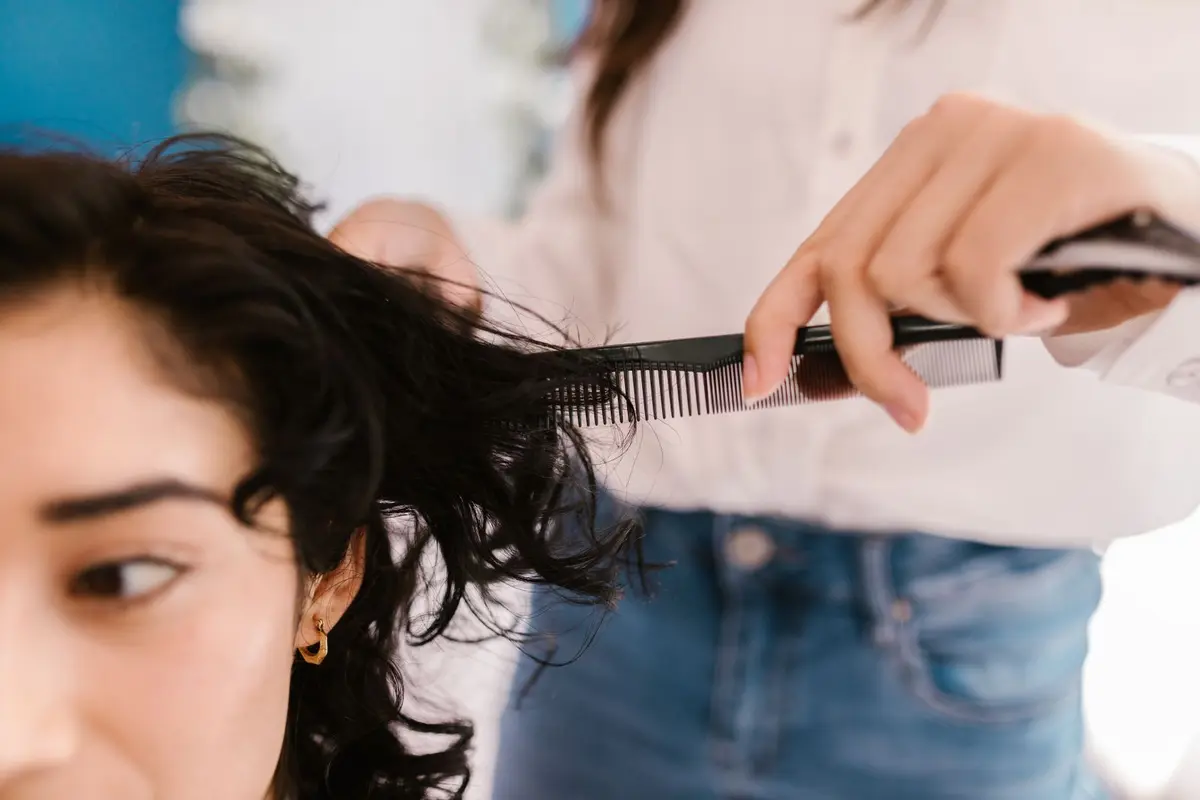
Curtain bangs function as a transitional element, bridging the gap between the hairline and the lengths of the hair. On wavy textures, the primary objective is to manage the natural spring factor that occurs when hair dries. Precision in the initial cut ensures the hair sits flat against the forehead while maintaining enough weight to avoid a frizzy, uncontrolled appearance.
The following procedure outlines the point-cutting technique required to soften edges, preventing the blunt, heavy finish common with inexperienced cuts. Work with clean, damp hair and ensure consistent lighting to maintain accuracy across both sides.
- Difficulty
- Beginner
- Total time
- 45 minutes
- Cost
- Low
- Cadence
- Every 6 weeks
Ingredients
- Styling cream: Provides weight and control to wavy textures.
Tools List
- Professional-grade hair shears
- Tail comb
- Sectioning clips
- Medium-barrel round brush
Step by step
Section the hair
Create a center part from the front hairline to the crown. Use a tail comb to section out a triangle of hair, starting from the center part and extending to the arch of your eyebrows. The remaining hair should be clipped back securely to prevent accidental cutting.
Tip: Keep the triangle narrow to begin; you can always add more density later.Measure and set length
Comb the damp hair straight down toward your nose. Decide on the starting point; for most face shapes, the shortest point should land at the bridge of the nose. Hold the hair taut between your index and middle fingers, then cut horizontally to establish the baseline guide.
Tip: Cut slightly longer than your target length to account for the wave drying upward.Point cut for texture
Holding the shears vertically, make small, light snips into the edge of the hair section. This process removes the blunt line and introduces texture, which is essential for wavy hair to blend with the rest of the length. Work across the entire fringe until the edge appears soft and feathered.
Tip: Ensure the blades are sharp to avoid bending the hair strands.Connect the layers
Angle the remaining hair toward the outer corners of your eyes. Cut from the center point down to the jawline in a gradual diagonal slope. This creates the signature curtain shape that blends the short fringe into the existing hair length.
Tip: Use your fingers as a guide to ensure both sides are symmetrical.Style with tension
While the hair is still damp, use a round brush to blow-dry the bangs away from the face. Direct the airflow from above to push the hair toward the ears. Once dry, let the hair sit for two minutes to allow the temperature to normalize before shaking it into place.
Tip: Avoid over-styling with heat once the hair is fully dry.
Trouble
My bangs look too puffy when dry.
You are likely cutting too much density. Try thinning the section by removing a few more strands, or apply a light-hold cream while the hair is damp to weigh down the wave.
One side of the bangs is longer than the other.
Check your posture and part. Ensure you are looking directly into the mirror without tilting your head, and verify that the center part is perfectly aligned with the bridge of your nose.
The fringe creates a harsh line with the rest of my hair.
Use the point-cutting method again on the connection points. You need to deepen the diagonal angle to ensure a smoother transition into the longer lengths.
The bangs lose their shape by midday.
Wavy hair is prone to moisture absorption. Use a light mist of setting spray once you have styled the hair with the round brush to lock the shape in place.
The success of curtain bangs relies entirely on the point-cutting technique to soften the edges.
Consistency is more important than speed in these types of precision cuts.