Maintaining a Bob Between Salon Visits
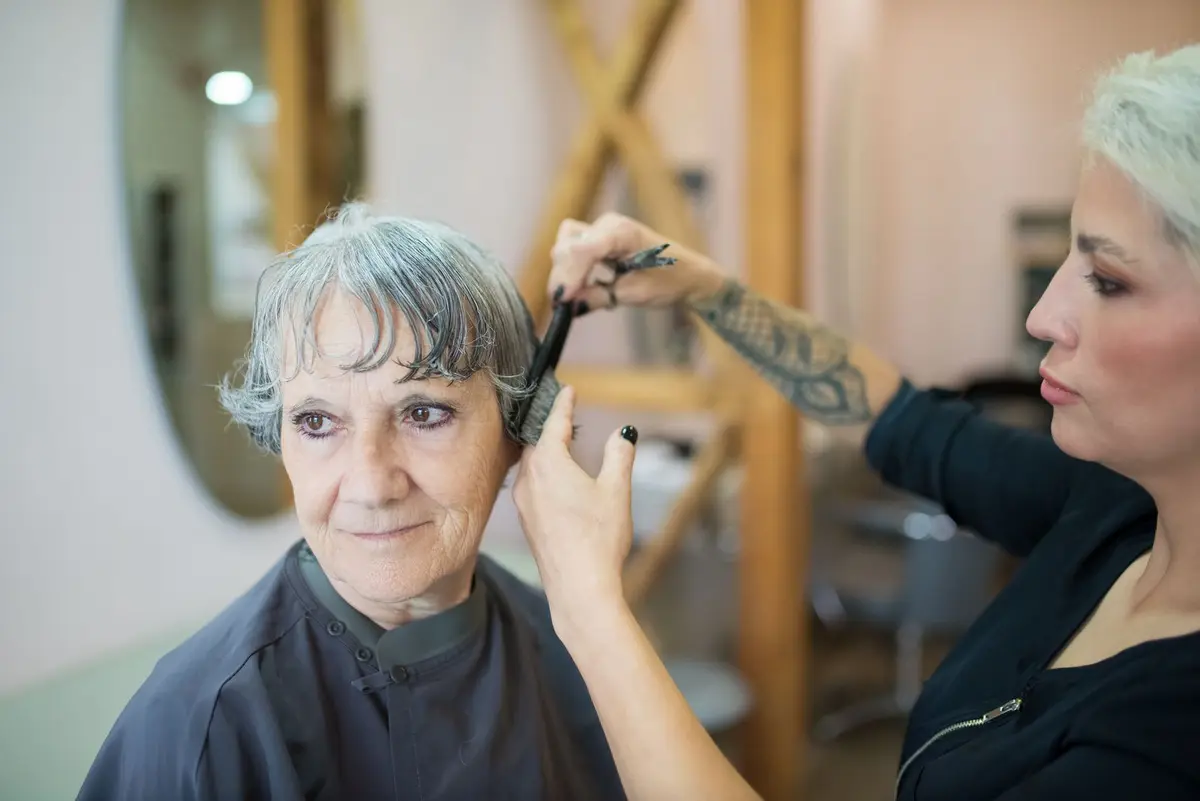
A bob relies on the integrity of its perimeter. Once the weight line begins to collapse or the hair reaches the nape of the neck, the deliberate shape of the cut shifts. Keeping the line crisp requires minimal intervention if you focus on moisture and tension control.
Your objective is to mitigate split ends and maintain the structural volume inherent in a shorter length. Daily styling should prioritize the preservation of the ends rather than radical manipulation.
- Difficulty
- Beginner
- Total time
- 15 minutes daily
- Cost
- Minimal cost
- Cadence
- Daily maintenance
Ingredients
- Argan oil: Provides hydration without excess weight.
- Keratin-based serum: Smooths the cuticle for a polished edge.
Tools List
- Round brush with natural bristles
- High-velocity hair dryer
- Lightweight finishing oil
- Silk or satin pillowcase
Step by step
Prioritize hydration at the ends
The ends of a bob are the oldest part of the hair shaft. Apply a lightweight oil or serum only to the bottom two inches while the hair is damp. This prevents the hair from fraying, which often creates an unwanted fuzzy perimeter.
Tip: Use a single pump to avoid weigh-down.Directional blow-drying
Use a round brush with a diameter appropriate for the length of your bob. Direct the airflow downward from the roots to the ends. This technique seals the cuticle and prevents the hair from flicking outward at the shoulder.
Tip: Keep the nozzle pointed down to reduce static.Tension management
When drying the back section, pull the hair slightly forward toward the chin. This builds volume at the nape and ensures the bob does not appear flat against the neck. Do not over-stretch the hair as this can compromise the root lift.
Tip: Cool the hair completely before releasing the brush.Polishing the surface
Use a boar bristle brush to distribute natural oils from the scalp to the ends. This provides a natural barrier against humidity. A smooth surface makes the precision of a blunt cut more apparent.
Tip: Brush in slow, controlled strokes.Preservation through rest
Limit the use of high-heat tools on the days following your wash. If the style needs a refresh, use a dry texture spray rather than applying more heat. Reducing heat cycles extends the life of your cut by preventing structural damage.
Tip: Sleep on a silk pillowcase to reduce friction.
Trouble
Why does my hair flip out at the shoulders?
Hair naturally bends when it meets the shoulder. Focus your round brush work on beveling the ends inward toward the neck while the hair is 80 percent dry.
How can I reduce volume at the back?
Avoid applying volumizing mousse to the nape. Use a light styling cream in that section to maintain a sleeker, more controlled silhouette.
My bob looks uneven after sleeping.
Friction during sleep disrupts the cut. Use a silk or satin sleep cap or pillowcase to maintain the shape overnight without mechanical pressure.
Can I use scissors to fix the length?
Do not attempt to trim your own hair. The precision required for a bob perimeter necessitates a professional toolset and an objective vantage point.
A bob is defined by its perimeter, not its texture.
Consistency is the only effective way to delay the salon appointment.