Cold Water Rinsing for Hair Color Retention
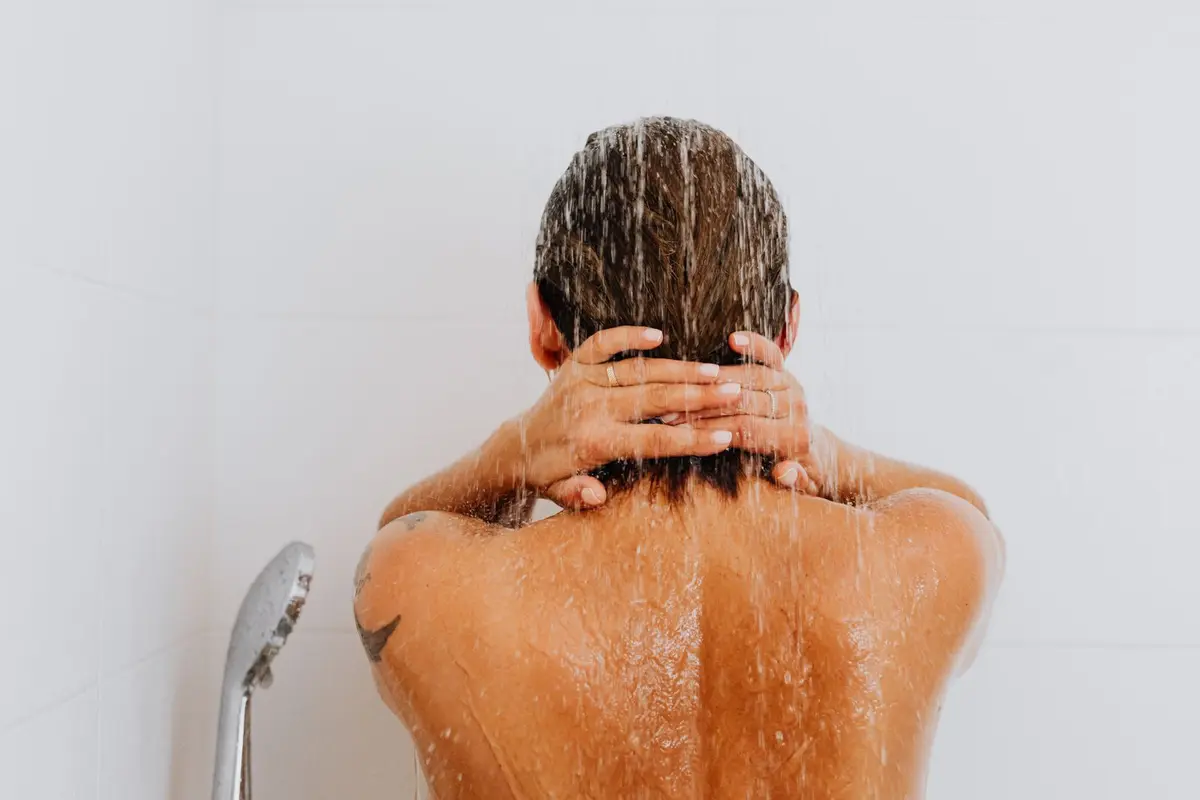
The practice of finishing a hair wash with cold water is frequently cited as a necessity for preserving vivid dye. This approach assumes that cold temperatures encourage the hair cuticle to lie flat, thereby preventing pigment molecules from escaping the cortex. While the mechanism is intuitive, the actual impact on hair longevity remains a subject of practical observation.
Applying cold water does not seal the cuticle in a permanent sense, nor does it replace professional care. However, it serves as a method to limit the thermal expansion of the hair shaft during the cleansing process.
- Difficulty
- Beginner
- Total time
- 2 minutes
- Cost
- Zero investment
- Cadence
- Every wash cycle
Ingredients
- Distilled water: If your tap water is hard, the minerals may cause more fading than temperature ever would.
Tools List
- Wide-tooth comb
- Microfiber towel
Step by step
Cleanse with lukewarm water
Begin your wash cycle with water at a temperate setting. Hot water contributes to the swelling of the cuticle, which can facilitate dye leaching. Use gentle, color-safe cleansing agents to remove surface debris without stripping the hair.
Tip: If the water feels hot on your inner wrist, it is too hot for your hair.Distribute product evenly
Apply your conditioner through the mid-lengths and ends. Focus on detangling with a wide-tooth comb while the product is still in the hair. This ensures the cuticle is coated before the final rinse begins.
Tip: Work in small sections to ensure full coverage.Lower the temperature
Gradually reduce the heat setting on your faucet until the water is cool, not icy. Rapid temperature shifts are less effective than a steady, cool stream. Allow the water to run over the lengths of the hair for fifteen seconds.
Tip: Do not shock the scalp with extreme cold.Clear the excess
Rinse the conditioner thoroughly using the cool water. Ensure no residue remains, as product buildup can dull the reflection of the hair color. Keep the flow directed downward to encourage the hair to lie flat.
Tip: Focus on the nape of the neck where buildup often accumulates.Blot, do not rub
Collect your hair in a microfiber towel. Use a blotting motion to remove excess moisture without agitating the cuticle. Friction will disrupt the hair alignment regardless of the previous rinse temperature.
Tip: Use a microfiber towel to minimize friction.
Trouble
Does the cold water need to be freezing?
No. Water that is simply cool is sufficient. Extreme cold can cause discomfort and does not yield additional benefits for color retention.
Can I use cold water on my scalp?
The cold water should focus primarily on the hair shafts. If the cold water is irritating, keep it restricted to the hair length below the nape of the neck.
Will this replace the need for color-depositing products?
No. The rinse is a maintenance technique. It will not replenish pigment that has already left the cortex.
Why is my hair still fading quickly?
Fading is often linked to the frequency of washing or the intensity of the surfactant in your shampoo. Review the pH balance of your products before attributing fade solely to water temperature.
The efficacy of a cold rinse is found in temperature moderation, not in thermal shock.
Temperature is a variable, not a panacea. Keep expectations grounded.