When to Delegate Your Hair Color
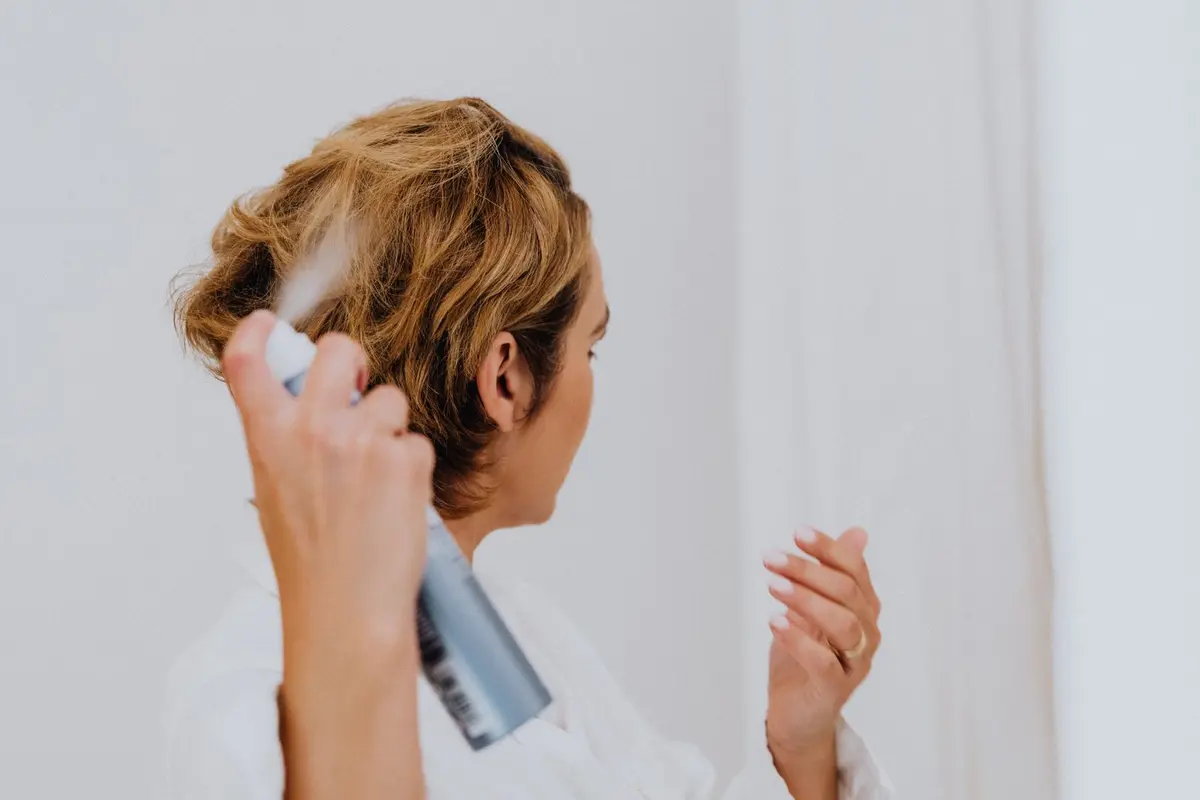
Navigating the distinction between domestic maintenance and professional intervention is essential for hair health. The primary objective of home colour care is the neutralisation of contrast at the roots, not the transformation of your total aesthetic. When the complexity of the desired result exceeds simple pigment deposit, the risk of structural damage becomes significant.
This guide outlines the indicators that necessitate a professional appointment rather than a self-administered kit. Understanding these parameters ensures your hair retains its integrity and consistent tone.
- Difficulty
- Beginner
- Total time
- 15 minutes of assessment
- Cost
- Free assessment
- Cadence
- Monthly check-in
Ingredients
- N/A: This guide focuses on assessment rather than chemical application.
Tools List
- Rattail comb for sectioning
Step by step
Examine the demarcation line
Part your hair cleanly in the centre to expose the root growth. Assess the width of the natural regrowth in millimetres. If the growth exceeds two centimetres, the risk of uneven pigment deposit increases significantly due to varying heat distribution near the scalp.
Tip: Use a rattail comb for a precise, straight part.Compare pigment depth
Hold a strand of your natural hair against the treated mid-lengths and ends. If you are aiming for a change greater than two shades lighter than your natural base, do not proceed at home. Permanent lightening requires chemical lifting agents that are difficult to control without professional-grade oxidation monitoring.
Tip: Compare under natural daylight only.Check for porosity patterns
Run your fingers along a section of your hair from ends to roots. If the texture feels brittle or catches on itself near the ends, your hair is too porous for home colour. Applying standard pigment to compromised porosity often results in murky, inconsistent patches.
Tip: Avoid stretching the hair while wet.Identify previous chemical history
Document any previous treatments involving semi-permanent dyes, glosses, or metallic-based coatings. If you have any history of these in the last six months, a home kit will likely produce an unpredictable reaction with your existing layers. Professional colourists use specific removers to clear these barriers before fresh pigment application.
Tip: Keep a log of your last three salon visits.Evaluate the grey coverage requirement
Determine the percentage of grey hair at the root line. High-density grey coverage requires a different volume of developer than standard colour refreshes. If grey coverage is your primary goal, a generic home box is rarely calibrated to the specific opacity required for stubborn greys.
Tip: Look for silver strands in a mirror.
Trouble
What if my roots are a different colour than my ends?
If the discrepancy is significant, you are dealing with colour banding. A professional must perform a colour correction to unify the pigments.
Can I use a gloss at home if I am unsure?
Clear glosses are generally acceptable for shine. However, tinted glosses should be avoided if you have structural porosity issues.
Why does my hair pull orange at home?
Home kits often lack the corrective ash-tones necessary to neutralise the warmth that occurs during the lifting process. This is a common indicator that you require a professional tonal balance.
Is it ever okay to spot-treat?
Spot-treating small areas at the temple or part line is possible, provided you do not overlap onto previously coloured hair. Overlapping causes pigment buildup and eventual hair breakage.
The threshold for home maintenance ends where chemical alteration of the hair structure begins.
Consistency is the objective. Do not mistake change for progress.
See also: root touch-up, tinting hair darker at home and colour and treatment.