A Sulphate-Free Hair Routine
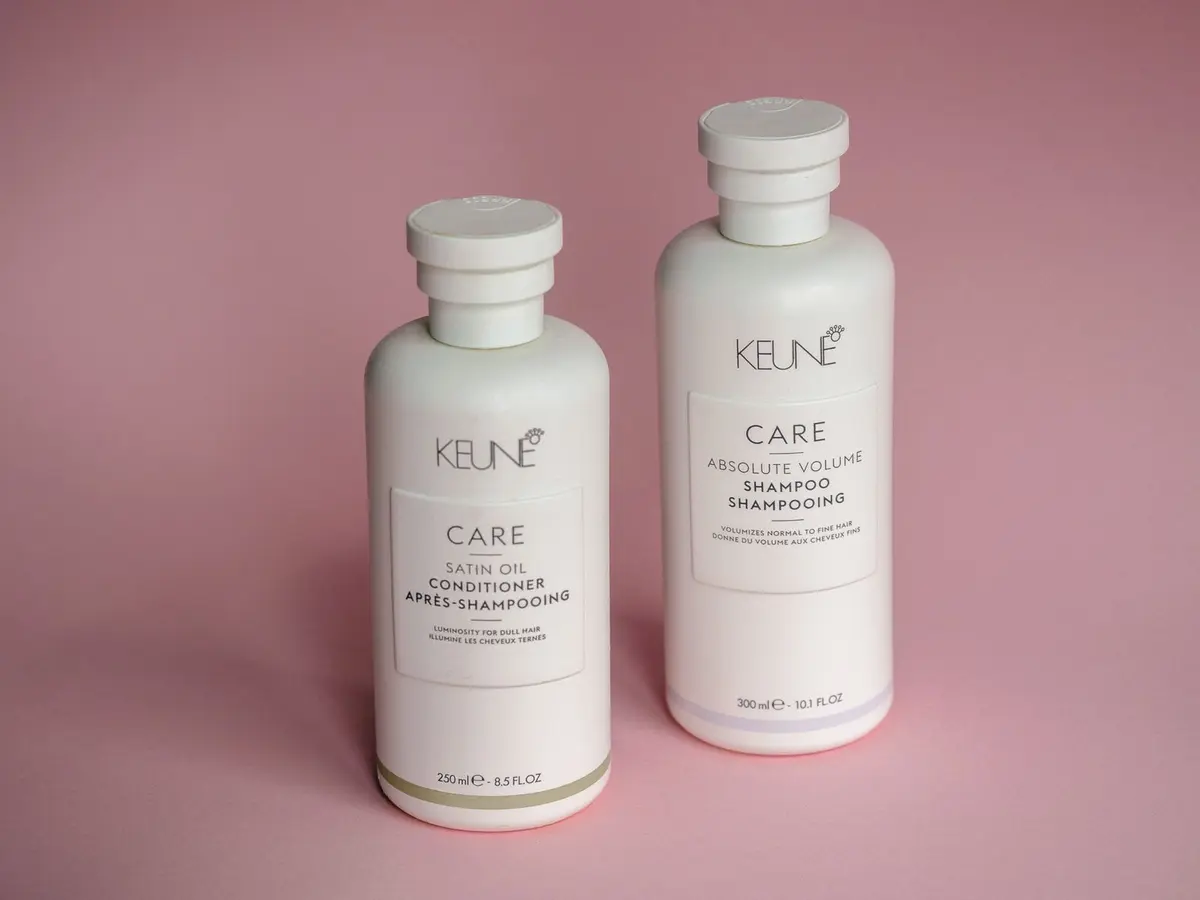
Sulphates, specifically sodium lauryl sulphate and sodium laureth sulphate, function as primary surfactants designed to remove oil and dirt through heavy foaming. When these agents are removed from a cleansing routine, the hair often retains more of its natural moisture, which may assist in maintaining texture and hydration. Transitioning to a sulphate-free regimen requires a shift in expectation regarding lather and cleansing frequency.
The process relies on gentle plant-derived surfactants and consistent conditioning to maintain hair manageability. This guide outlines how to select appropriate formulas and integrate them into a sustainable weekly cycle.
- Difficulty
- Beginner
- Total time
- 25 minutes
- Cost
- Moderate
- Cadence
- Weekly rotation
Ingredients
- Cocamidopropyl Betaine: A mild, coconut-derived surfactant used for gentle cleansing.
- Glycerin: A humectant that draws moisture into the hair shaft.
Tools List
- Sulphate-free shampoo
- Sulphate-free conditioner
- Wide-tooth comb
- Microfiber towel
Step by step
Prepare the scalp
Begin by saturating your hair completely with lukewarm water. Take one minute to ensure the hair is fully soaked, as this allows the product to distribute more effectively. Apply a small amount of sulphate-free shampoo to your fingertips and massage the scalp in circular motions. Note that these formulas produce minimal foam, which is expected.
Tip: Use your fingers to part hair into sections to ensure the scalp is reached.Execute the first rinse
Rinse the hair thoroughly, ensuring all residue is removed from the root area. If the hair feels heavily coated, a second, smaller application of shampoo may be necessary to address specific areas of oil buildup. Focus the cleansing action entirely on the scalp rather than the mid-lengths and ends of the hair.
Tip: Tilt your head back to avoid tangling during the rinse.Apply conditioning treatment
Distribute a generous amount of sulphate-free conditioner or treatment mask, starting from the mid-lengths and working down to the ends. Use a wide-tooth comb to ensure even distribution through the hair strands. Allow the product to sit for at least three minutes to permit the ingredients to penetrate the cuticle.
Tip: Avoid applying conditioner directly to the scalp.Cool rinse and finish
Rinse the conditioner out with cool water to encourage the hair cuticle to lie flat. Ensure the water runs clear before exiting the shower. Gently pat the hair dry with a microfiber towel rather than rubbing, which can disrupt the hair surface.
Tip: Use a steady stream of cool water for the final rinse.
Trouble
Why is my hair still oily?
Sulphate-free shampoos require more mechanical action during the wash. Spend more time massaging your scalp and ensure you are rinsing for at least two full minutes.
Do I need to wash my hair more often?
Initially, you may find you need to wash more frequently as your scalp adjusts to the absence of heavy surfactants. This usually stabilizes after two weeks.
Why is there no foam?
Sulphates provide the chemical reaction that creates thick lather. A lack of foam is not a sign that the shampoo is ineffective, but rather an indicator of the ingredient profile.
How often should I use a treatment?
A deep conditioning treatment should be used in place of your standard conditioner once every third or fourth wash cycle to provide intensive hydration.
A sulphate-free routine prioritizes moisture retention over aggressive stripping of natural oils.
Consistency is the only reliable variable in changing your hair routine.