Sun Protection for Tattoos: Ink Color and SPF Needs
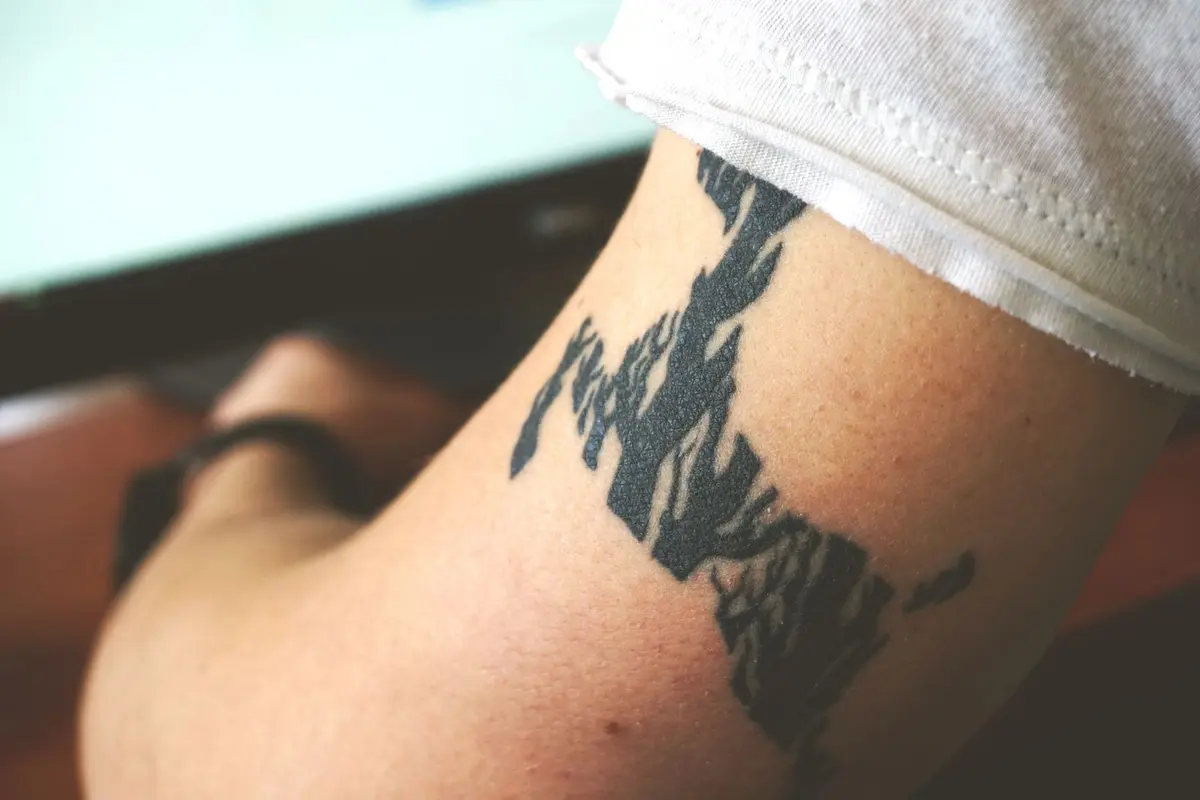
Exposure to ultraviolet radiation remains the primary cause of pigment degradation in tattooed skin. Whether the ink is heavily saturated blackwork or light, illustrative color, the underlying physiology of the skin requires a barrier that prevents light penetration.
Darker pigments often retain heat more efficiently, though the core requirement for protection remains universal across all color spectrums. This guide establishes the mechanical necessity of blocking UV rays to preserve the clarity and structural integrity of the ink.
- Difficulty
- Beginner
- Total time
- Daily application
- Cost
- Low
- Cadence
- Every morning
Ingredients
- Zinc Oxide or Avobenzone: Provides the essential block against UVA and UVB rays.
Tools List
- Broad-spectrum SPF 50 sunscreen
Step by step
Assess the surface area
Cleanse the tattooed region to remove existing oils or residue from previous products. Ensure the skin is completely dry to prevent dilution of the protective formula. An even surface ensures the SPF film creates a consistent shield.
Tip: Use a fragrance-free, gentle cleanser to maintain the natural lipid barrier.Measure the required amount
Dispense a generous amount of broad-spectrum SPF 50. For a medium-sized piece, use at least a teaspoon of product to ensure the stated protection level is achieved. Inadequate application is the primary failure point in sun protection.
Tip: Do not rub the sunscreen between your palms excessively before application.Apply using firm strokes
Apply the product in a uniform layer across the entire ink area and an additional centimeter of surrounding skin. Use firm, sweeping motions to ensure the product settles into the skin texture. Do not leave gaps in coverage around the perimeter.
Tip: Apply before dressing to allow the formula to set properly.Verify the film
Observe the application to ensure it is not streaky or translucent. A consistent, opaque appearance indicates an adequate film thickness. If the product is easily absorbed or feels thin, add a light second layer.
Tip: If the sunscreen leaves a cast, it will fade as it sets.Maintain every two hours
UV radiation is cumulative. If spending time outdoors, reapply the SPF every two hours to maintain the protective barrier. Friction from clothing can accelerate the removal of the product, requiring more frequent checks.
Tip: Keep a small tube in your bag for easy reapplication.
Trouble
Does ink color change the SPF requirement?
No. While darker inks may absorb more light, the skin itself remains equally vulnerable to UV-induced damage regardless of the pigment density underneath.
Why does my tattoo feel warmer than the rest of my skin?
Dark pigments absorb heat more readily than lighter areas. This is a physical property of the ink, not a symptom of damage, provided the skin is protected.
Should I use mineral or chemical SPF?
Either is sufficient provided it is broad-spectrum and rated SPF 50. Select the texture that allows for the most consistent, heavy application.
What happens if I miss a spot?
UV exposure on an unprotected spot can lead to localized pigment fading. This results in an uneven appearance over time.
The density of the pigment does not negate the necessity of a physical shield against UV radiation.
Consistency is more valuable than product selection.