Selecting the Right DHA Percentage for Your Skin Tone
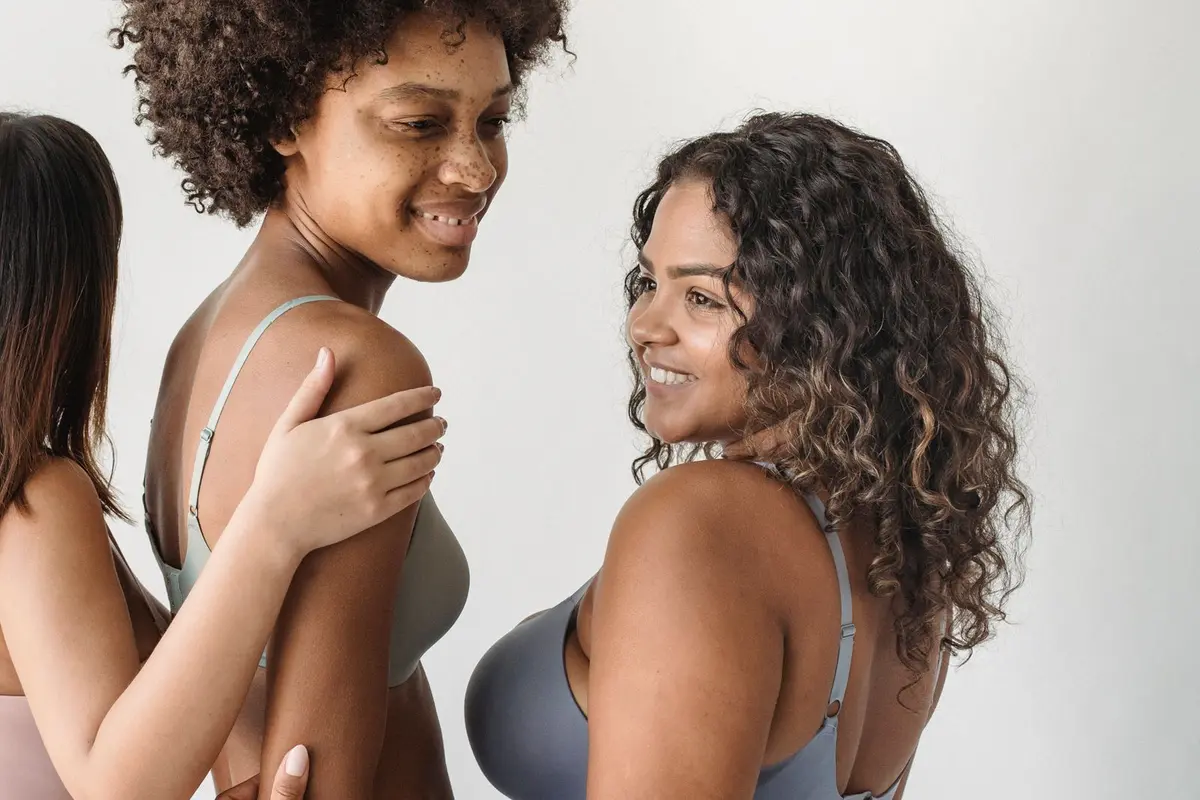
Self-tanning relies on dihydroxyacetone, or DHA, a carbohydrate that reacts with the amino acids in the superficial layer of the skin to produce a brown pigment. Selecting a concentration that corresponds to your baseline skin tone is the most effective way to avoid orange undertones and uneven fading. The goal is a subtle shift in color that respects the natural depth of your skin rather than obscuring it.
Formulations typically range from three to fifteen percent DHA. Choosing the correct percentage prevents the rapid, heavy accumulation of pigment that often looks artificial on fairer complexions while ensuring deep complexions receive sufficient saturation. You must assess your skin’s tolerance and desired outcome before choosing your product type.
- Difficulty
- Beginner
- Total time
- 15 minutes active application
- Cost
- Moderate
- Cadence
- Apply once every 7 days
Ingredients
- Dihydroxyacetone: The active molecule that darkens the skin
Tools List
- Velvet tanning mitt
Step by step
Prepare the skin surface
Cleanse your skin thoroughly to remove all residues of oil, perfume, or lotion. Exfoliate using a dry cloth or a mild mitt, focusing on areas with thicker skin such as the elbows, knees, and ankles. Ensure the skin is completely dry before beginning the application to prevent streaks caused by moisture.
Tip: Use a light, non-oil moisturizer on the heels and knuckles.Select your concentration
For fair skin, select a solution with three to five percent DHA, typically found in gradual tanning lotions. Medium complexions are best served by seven to nine percent DHA, often delivered via mousse. Deep complexions benefit from ten to fifteen percent DHA, which is commonly found in concentrated tanning drops or professional-grade mousses.
Tip: Start at the lower end of the range if you are unsure.Apply with uniform pressure
Dispense the product onto a tanning mitt rather than your hands. Apply in long, sweeping motions, starting from the center of each limb and moving outward. Use the residue left on the mitt for the feet and hands to ensure a lighter, more natural application in these areas.
Tip: Use a mirror to ensure even coverage on the back.Blend the edges
After the initial application, use a clean, dry buffing brush to blend the product around the ankles, wrists, and hairline. Buffing helps to dissipate any excess product that may have settled into pores or fine lines. This step ensures that the transition between tanned and untanned skin is seamless.
Tip: Do not add more product to the brush.
Trouble
Why does my skin look orange?
This is usually the result of using a DHA percentage that is too high for your natural skin tone. Switch to a lower concentration or a gradual tanning lotion for a more subtle result.
How can I fix streaks?
Streaks occur when the product is applied unevenly or over un-exfoliated skin. For minor streaks, use a damp, textured washcloth to gently buff the area after twenty-four hours.
Should I use drops or mousse?
Mousse is best for full-body applications as it provides a guide color. Drops are designed to be mixed into daily moisturizer, offering better control for those who prefer to customize the DHA concentration daily.
How often should I exfoliate?
Exfoliation should occur twenty-four hours before application. Do not exfoliate immediately after applying, as this will remove the pigment and create patchiness.
The objective is a color shift that respects your baseline skin tone.
Consistency is the best tool for an even tan.