Bridging Face and Body Skin Tone Discrepancies
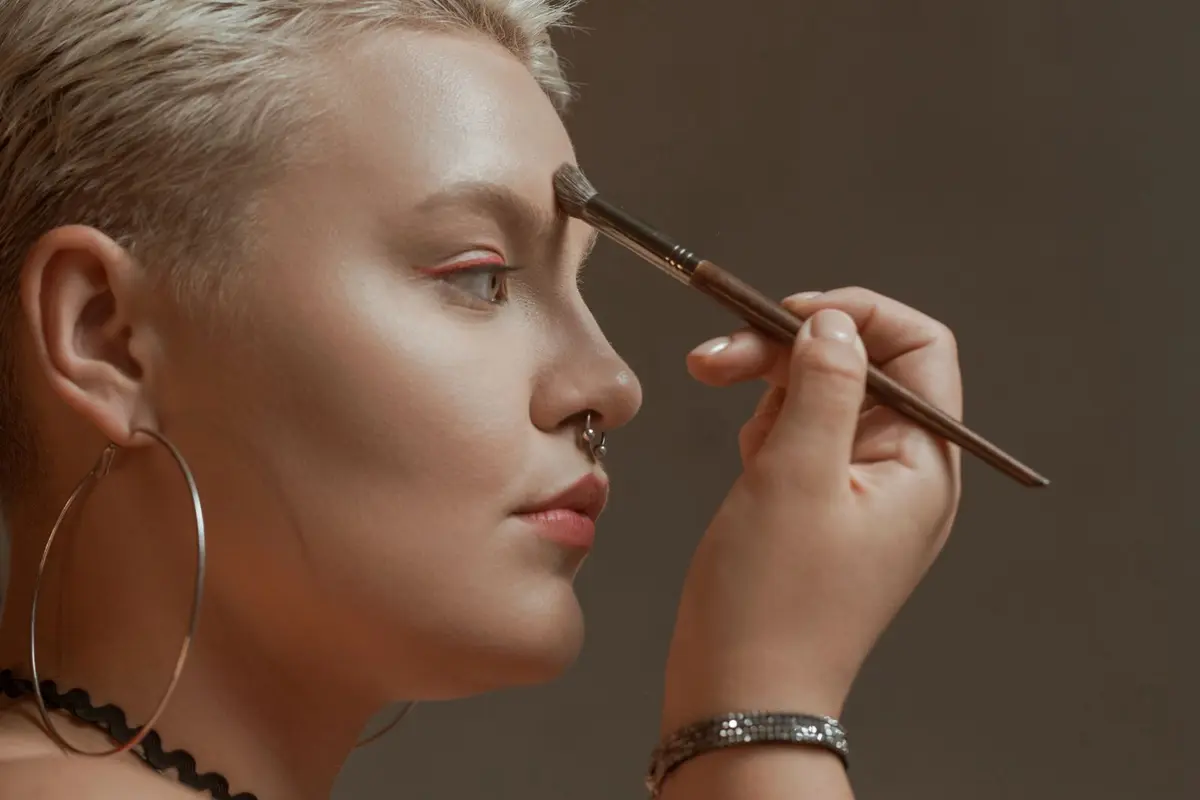
When a body self-tan application leaves your neck and face appearing starkly pale by comparison, the resulting disconnect is visual rather than cosmetic. Bridging this gap requires a methodical approach that prioritizes color temperature matching over heavy coverage. The goal is to create a seamless gradient rather than painting a uniform mask.
Correcting this discrepancy is achieved through strategic bronzer application. By treating the neck as the primary anchor point, you can neutralize the contrast and allow the facial complexion to sit naturally within the new, darker environment of your body tone.
- Difficulty
- Beginner
- Total time
- 10 minutes
- Cost
- Variable
- Cadence
- Daily maintenance
Ingredients
- Mica: Provides structural blendability for matte powders
Tools List
- Large, fluffy synthetic brush
- Matte bronzer (powder format)
- Damp beauty sponge
Step by step
Cleanse and prep the neck
Begin with a clean neck and jawline. Remove any remnants of skincare or natural oils that may cause the product to streak or settle unevenly. Ensure your skin is completely dry before introducing any pigment, as moisture will cause the bronzer to grab unevenly.
Tip: Use a damp sponge to remove excess moisturizer.Select your pigment base
Identify a bronzer that matches the undertone of your body tan, not your natural pale skin. If your tan has warm, golden undertones, select a bronzer with a similar warm base. Avoid products with shimmer or glitter particles, as these will draw unwanted attention to the texture of the neck.
Tip: Matte finishes provide the most realistic shadow.Apply to the perimeter
Using a large, fluffy brush, apply the bronzer starting at the collarbone and working upward toward the chin. Focus the intensity on the center of the neck and blend outward toward the ears. This mimics natural sun exposure and prevents the appearance of a harsh line at the jaw.
Tip: Use light, circular buffing motions.Integration at the ears
The space behind the ears is often ignored during tanning but remains white. Extend your bronzer application to the earlobes and the hairline behind the ears. This prevents a floating-head effect and ensures the color transition is consistent from all angles.
Tip: Do not overload the brush; use leftovers.The final buff
Take a clean, unused brush and run it along the jawline to diffuse any remaining pigment. Ensure there are no sharp edges or heavy clusters of product. Step back to view the transition in a full-length mirror to check for uniformity from chest to hairline.
Tip: If the line is harsh, add a translucent powder.
Trouble
My bronzer is turning orange after an hour.
This is often due to a reaction with your moisturizer or residual oils. Switch to a powder-based formula rather than a cream bronzer.
The product is settling into my pores.
You are applying too much product in one layer. Apply in thin, transparent layers and build the color gradually instead of attempting full coverage in one go.
How do I prevent this from staining my clothing?
Set your bronzer application with a lightweight setting spray or a fine dusting of translucent powder. This locks the pigment and prevents transfer during wear.
The back of my neck looks paler than the front.
Ensure you are applying product in a 360-degree manner around the neck. Use a hand mirror to verify coverage on the back and sides before completing your routine.
Integration is the absence of a visible line, not the excess of pigment.
The mistake is usually applying bronzer to the face to match the body. Always bring the body tone up to the face.
More: is it okay to leave the face lighter than the body, face and body mismatch and self-tan.