When to Replace Your Dry Brush
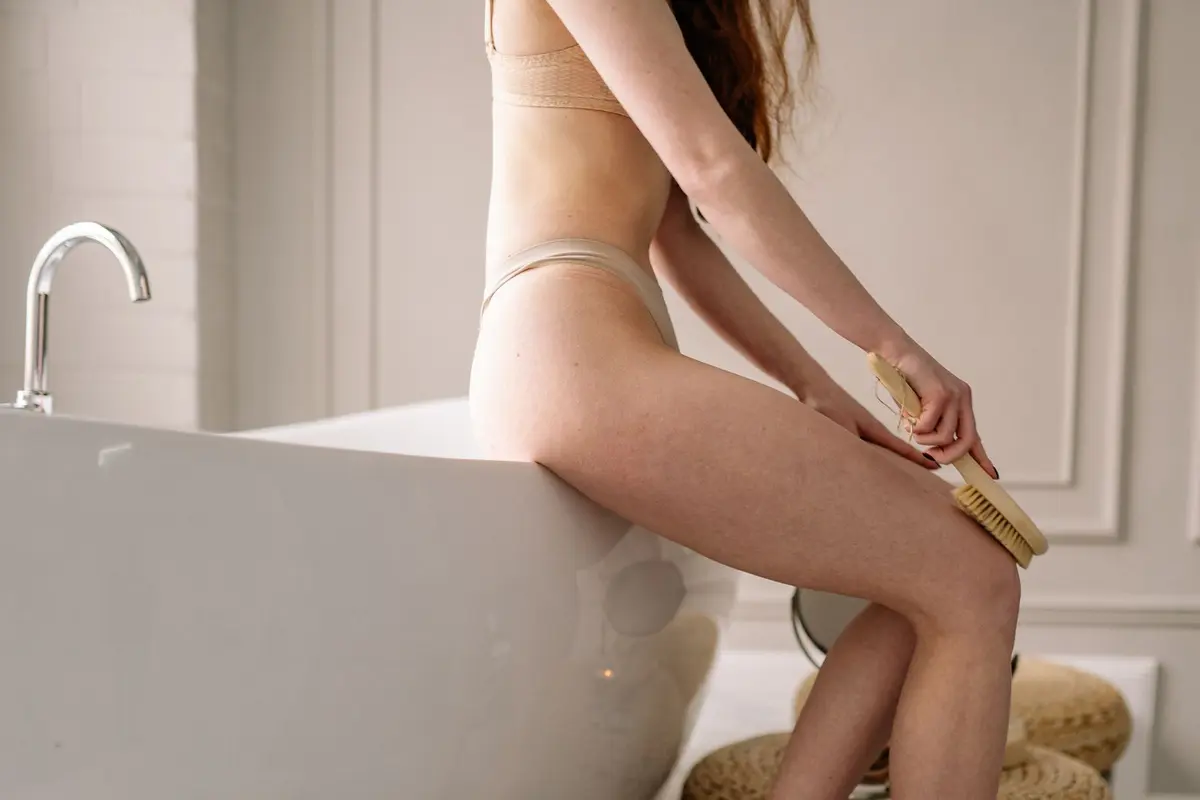
Dry brushing relies on the mechanical action of firm, natural bristles to move across the skin surface. As the bristles lose their structural integrity, the friction required for effective exfoliation diminishes significantly.
Recognizing the degradation of your tool prevents uneven skin texture and keeps your routine consistent. If the brush no longer provides a firm, uniform sensation, it is time for a replacement.
- Difficulty
- Beginner
- Total time
- 5 minutes
- Cost
- Zero (Maintenance)
- Cadence
- Quarterly inspection
Ingredients
- Natural Sisal: Common fiber that requires specific humidity management.
Tools List
- Bristle brush comb
Step by step
Inspect the bristle density
Examine the base of the brush head under direct light. If you can see significant gaps between the bristle tufts or if the wood base is clearly visible, the brush has lost the density required to lift dead skin cells effectively.
Tip: Tilt the brush at a 45-degree angle to reveal thinning patches.Test bristle flexibility
Press your thumb firmly into the center of the brush. New, effective bristles should spring back to their upright position immediately; if the fibers remain bent or splayed, they are no longer providing the necessary mechanical resistance.
Tip: Use a dry finger for this test to avoid artificial moisture.Check for matting
Run your palm gently over the surface of the dry bristles. If the fibers feel sticky, matted, or appear clumped together despite regular cleaning, they are trapped with skin oils and debris that cannot be removed.
Tip: If the bristles feel waxy, they are permanently saturated.Examine the wooden frame
Check the connection point where the bristles meet the wooden handle. Any cracking, mold, or structural instability in the wood indicates that moisture has compromised the base, which compromises the hygienic safety of the tool.
Tip: Listen for a hollow sound when tapping the wood.
Trouble
How often should I clean the brush?
Perform a dry clean using a brush comb after every use. A deeper clean with a gentle soap is only advised once per month, ensuring the brush dries fully for 24 hours.
My brush is shedding, is this normal?
Minor shedding during the first few uses is expected. If shedding continues after two weeks of use, the tension holding the fibers is failing and the brush should be replaced.
Can I use a hair dryer to dry the brush?
Never. High heat will warp the wood and cause the natural bristles to become brittle and snap prematurely. Always air dry in a well-ventilated area.
Does the brush smell?
A faint woody scent is natural. If the brush emits a sour or mildew odor, moisture has trapped bacteria within the base, and it is no longer safe to use.
A dry brush is only as effective as the integrity of its bristles.
Consistency is the only metric that matters.