Moisturizing Post-Dry Brushing: The Optimal Window
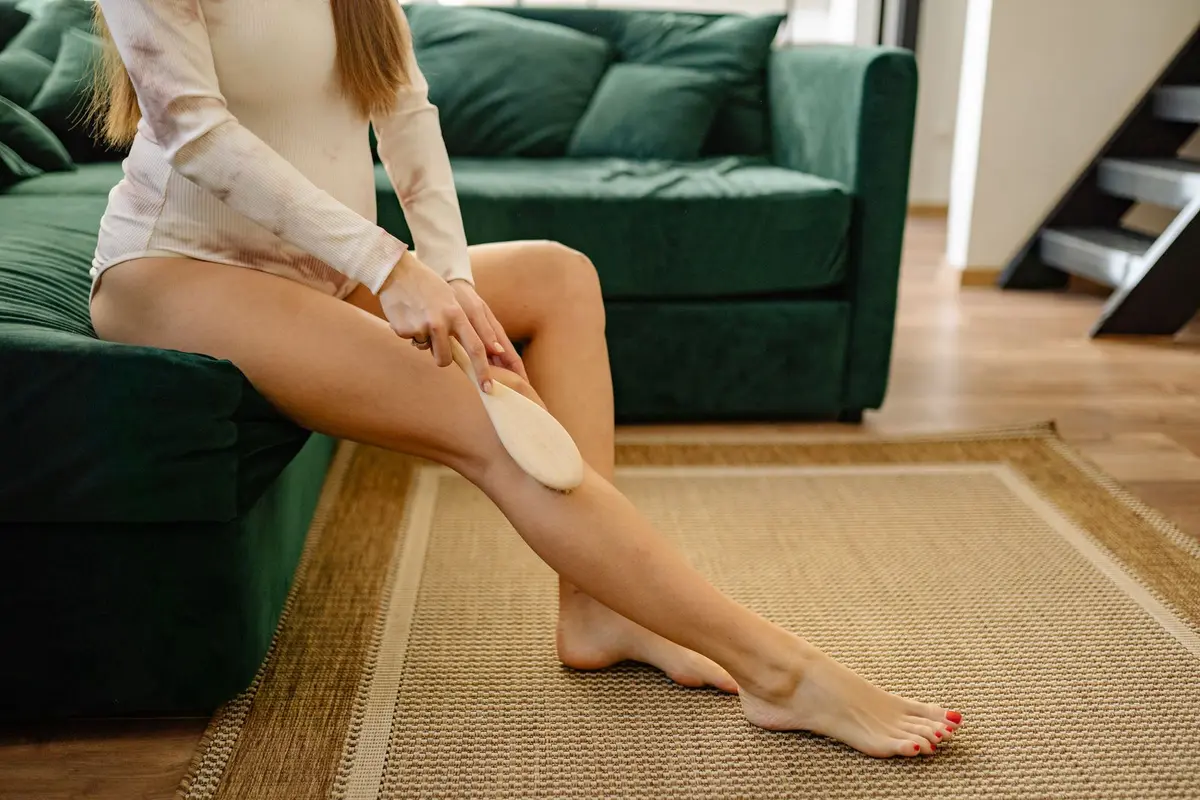
Dry brushing serves to mechanically exfoliate the surface of the skin. This process removes superficial dead cells, but it also creates a temporary increase in surface sensitivity and permeability. The immediate period following the brush movement is the most effective time to apply topical moisture.
Applying product during this three-minute window leverages the skin's heightened state of readiness. If you wait longer, the benefits of the immediate application are lost to normal ambient moisture evaporation. This guide details the exact sequence required to maximize the transition from physical exfoliation to hydration.
- Difficulty
- Beginner
- Total time
- 15 minutes
- Cost
- Minimal
- Cadence
- 3 times per week
Ingredients
- Ceramides: Helps rebuild the barrier post-exfoliation.
- Plant oils: Provides occlusion to lock in moisture.
Tools List
- Natural bristle body brush
- Lipid-based body moisturizer
Step by step
Execute the dry brush motion
Begin at the feet, using long, steady strokes upward toward the heart. Ensure the brush is dry and clean before contact. Cover each limb segment twice to maintain even exfoliation pressure. Avoid sensitive areas or any skin that feels inflamed.
Tip: Use light pressure; the bristles provide the necessary friction.Transition to water
Move directly to a lukewarm shower. Keep the temperature moderate to avoid stripping natural oils. Rinse the skin thoroughly to remove the debris loosened by the brush. Pat the skin dry with a clean towel until it is merely damp, not fully desiccated.
Tip: Do not rub; pressing the towel is sufficient.Identify the moisture window
You have a strict three-minute window while the skin retains hydration from the shower. The skin must feel slightly cool and supple to the touch. If the skin is fully dry to the touch, the window has closed.
Tip: Apply moisture within three minutes of exiting the shower.Apply your chosen moisturizer
Dispense a palm-sized amount of a simple, lipid-rich cream or oil. Use sweeping motions to distribute the product across the brushed limbs. The lingering moisture helps the product emulsify and spread more evenly. Ensure full coverage without excessive tugging.
Tip: Warm the product in your hands first.Allow for absorption
Remain in a climate-controlled room until the product is fully absorbed. Do not dress immediately, as friction from fabrics can remove the product before it settles. Once the skin is non-tacky, the process is complete.
Tip: Check for tackiness before dressing.
Trouble
Why does my skin sting when I moisturize after brushing?
You are likely applying too much pressure with the brush or using bristles that are too firm. Decrease the frequency of your brushing sessions and move to a softer brush type.
Is it better to brush before or after the shower?
Brushing should always occur before a shower to allow the water to remove the exfoliated debris. If you brush after showering, the skin is too soft and prone to micro-tearing.
What happens if I miss the three-minute window?
The skin barrier begins to lose its initial hydration boost almost immediately. You will simply need to use more product to achieve the same level of comfort.
Can I use any moisturizer?
Yes, but keep it simple. Look for formulations designed to support the barrier without excessive active additives that may react with newly exfoliated skin.
The three-minute window is the boundary between effective hydration and simple product application.
Dry brushing is a mechanical act that demands a restorative follow-up. Do not skip the hydration.