How to Plan a Luxury Trip to Tokyo
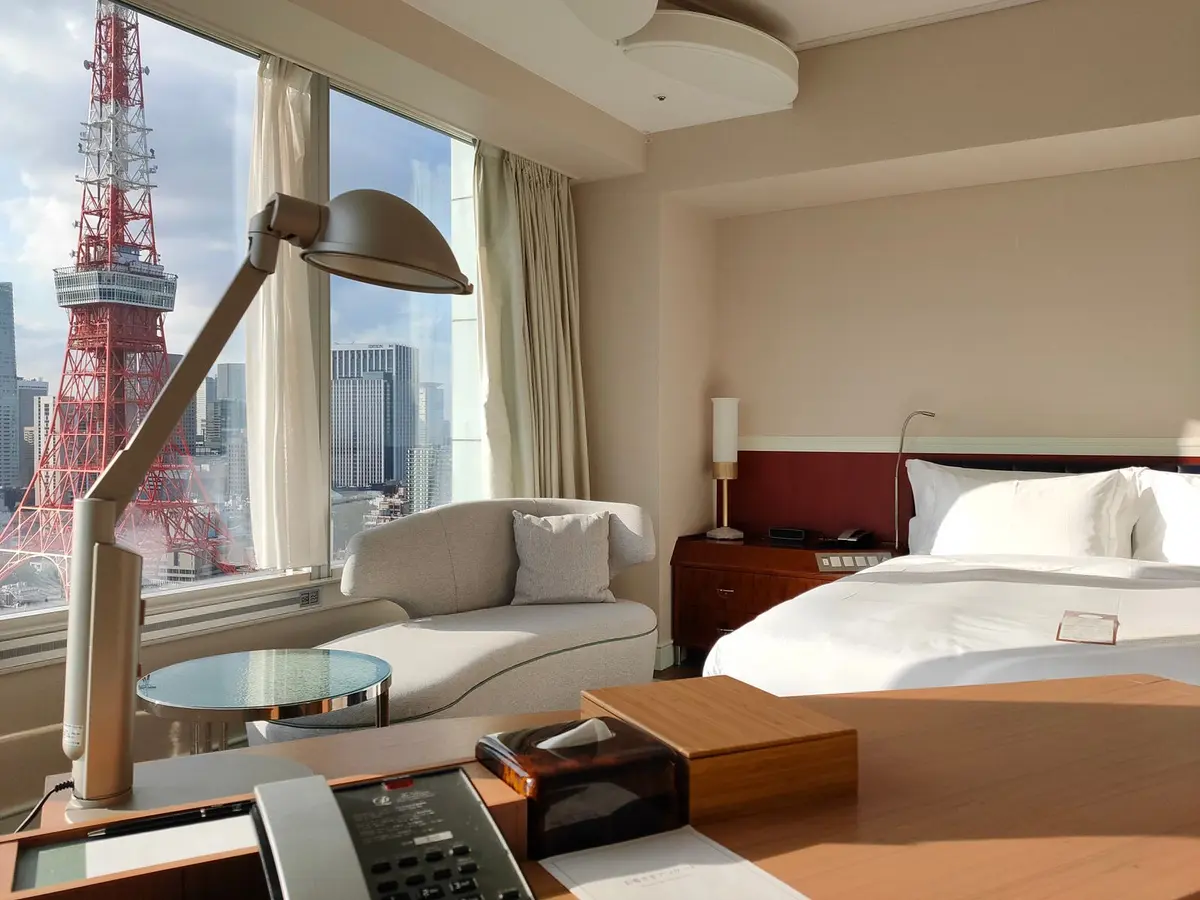
A luxury trip to Tokyo means high-end hotels in Ginza or Roppongi, kaiseki dining experiences, private car service, and exclusive cultural experiences like tea ceremonies with masters. Expect to spend $800-1200 per day including accommodation, with peak luxury reaching $2000+ daily. Book 3-6 months ahead for top restaurants and hotels.
- Budget
- $800-1200 per person per day
- Duration
- 7-10 days recommended
- Best Time
- March-April for cherry blossoms, October-November for fall colors and comfortable weather, avoid extreme heat of July-August
- Visa Required
- No for most Western tourists—90 days visa-free
Step by step
Choose Your Luxury Base
Book a five-star hotel in Ginza (near luxury shopping), Marunouchi (business district quiet), or Roppongi Hills (modern cosmopolitan). The Aman Tokyo, Mandarin Oriental, and Park Hyatt offer the best combination of service, location, and design. Expect $600-1200 per night. Reserve 4-6 months ahead for spring cherry blossom season.
Reserve Michelin-Starred Restaurants Early
Tokyo has more Michelin stars than any city on earth. Book 3-star restaurants like Kagurazaka Ishikawa or Quintessence 2-3 months ahead through your hotel concierge or Pocket Concierge app. Budget $300-600 per person for omakase or kaiseki tasting menus. Reserve at least 3 high-end meals for a week-long trip.
Arrange Private Cultural Experiences
Book private tea ceremonies through your hotel or services like Maikoya ($150-300 per person). Arrange a private sake tasting with a sommelier ($200-400). Consider a private calligraphy lesson or ikebana workshop. These experiences fill 2-3 hours and require advance booking—at least 2 weeks out.
Hire a Private Car and Guide
Use a private car service for $400-600 per day with English-speaking driver. Essential for visiting areas like Hakone, Nikko, or multiple neighborhoods in one day without train hassles. Book through your hotel. Having the car for 2-3 days of your trip elevates the experience significantly.
Access Exclusive Shopping Experiences
Arrange private shopping appointments at department stores like Mitsukoshi or Isetan—concierge can set this up. Visit invitation-only boutiques in Aoyama and Omotesando with a personal shopper. Budget time for Ginza flagship stores.
Plan a Luxury Ryokan Night
Spend one night at a high-end ryokan in Hakone or nearby hot spring area. Gora Kadan or Hakone Ginyu offer private onsen, kaiseki meals, and traditional service. Expect $800-1500 per person per night including dinner and breakfast. Book 3-4 months ahead.
Questions people ask
Do I need to speak Japanese for a luxury trip?
No. Five-star hotels have English-speaking staff, and most high-end restaurants have English menus or staff who can translate. Your hotel concierge becomes your translator and fixer for everything else. Private guides speak English. That said, learning basic phrases like arigatou gozaimasu (thank you very much) improves every interaction.
Can I get into top restaurants without months of advance booking?
Sometimes. Your five-star hotel concierge has relationships and can occasionally secure reservations others cannot. Some restaurants release last-minute cancellations. But for Quintessence or other three-stars, expect to book 2-3 months out. Have backup options ready.
Is tipping expected at luxury establishments?
No. Japan does not have a tipping culture at any price point. Service charges are included. Attempting to tip can cause awkwardness. The exception is private guides—a small gift at the end of multiple days together is appreciated but not required.
Should I exchange money before arriving or use ATMs?
Bring $300-500 equivalent in yen from your home bank for immediate arrival needs. Then use 7-Eleven or Japan Post ATMs for the best exchange rates—they accept foreign cards reliably. Your hotel can exchange money but rates are worse. Many luxury establishments take cards but cash is still king in Japan.
How do I avoid tourist traps while still experiencing tradition?
Work with your hotel concierge or book through established luxury travel services like Inside Japan Tours or Artisans of Leisure. They access authentic experiences without tourist-mill operations. Private tea ceremonies, invitation-only restaurants, and craft workshops arranged through reputable sources ensure quality. Avoid anything aggressively advertised on the street.
Is a JR Pass worth it for luxury travelers?
Usually no. The JR Pass saves money if you are taking multiple long-distance trains. For luxury Tokyo with maybe one trip to Hakone or Kyoto, individual reserved seats or private car service make more sense. First-class Green Car passes exist but you are paying for flexibility you likely do not need.
- Dining
- $300-600 per person for Michelin three-star meals. High-end izakaya or sushi $100-200. Hotel breakfast $40-80. Budget $200-400 daily for food if eating well but not at top restaurants every night.
- Experiences
- Private tea ceremony $150-300 per person. Private guide $300-500 per day. Exclusive shopping appointments often complimentary through hotel concierge.
- Total Daily
- $800-1200 per person per day is standard luxury. Peak luxury with top dining and private services every day reaches $1500-2000 daily.
- Accommodation
- $600-1200 per night for five-star Tokyo hotels. Luxury ryokan night adds $800-1500 per person.
- Transportation
- Private car service $400-600 per day when needed. First-class train passes unnecessary in Tokyo—use taxis ($20-40 per ride in the city). Airport private transfer $200-300.
Packing
- Business casual wardrobe—Tokyo luxury establishments expect polished dress. No tank tops or athletic wear in upscale restaurants.
- One formal outfit for three-star restaurants—jacket for men, dress or elegant separates for women.
- Comfortable walking shoes that look good—you will walk more than expected even with car service.
- Multiple credit cards—some establishments are cash-only including high-end restaurants. Carry 50,000-100,000 yen cash.
- Small gift from your home country—if invited to private experiences or receiving exceptional service, omiyage (gift-giving) is cultural.
More: Tokyo day tours that don't feel like tours, luxury travel and 3-day trips.