How to Do Luxury Travel in Kyoto
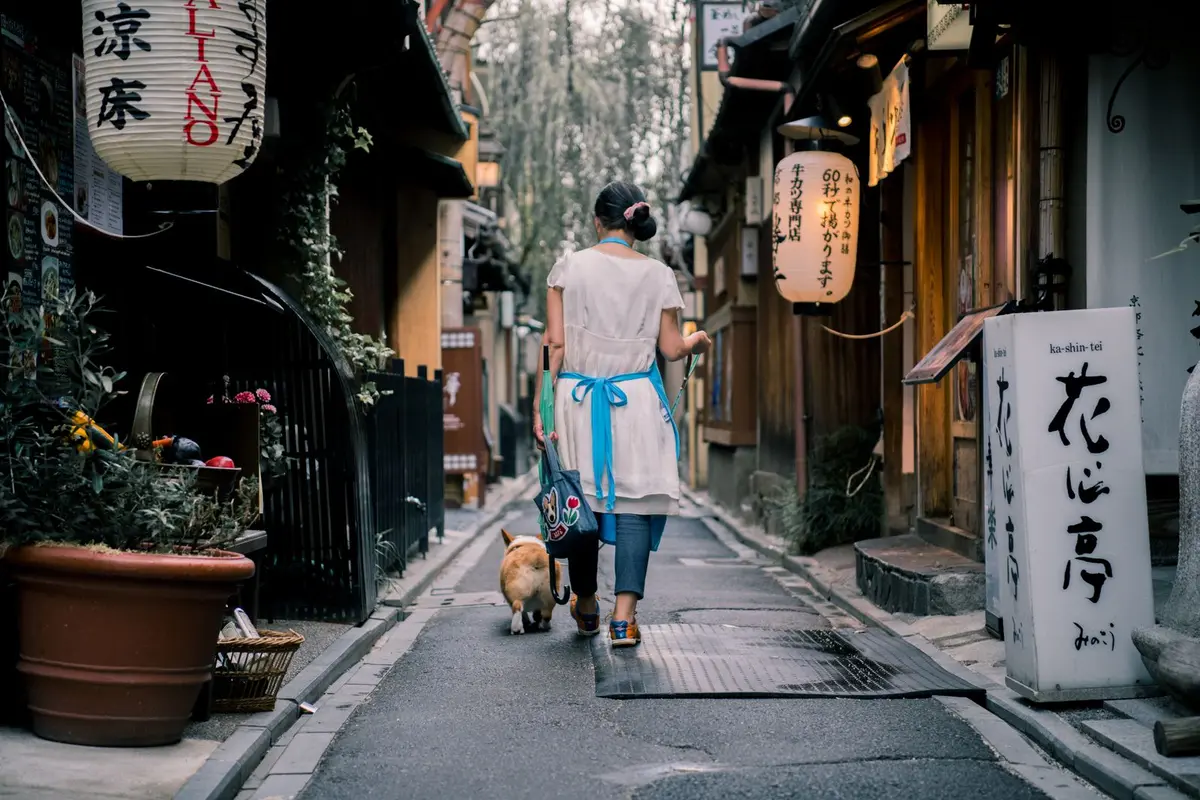
Luxury travel in Kyoto means ryokan stays with private onsen, kaiseki dining, private temple visits, and geisha district experiences. Budget $800-1500 per day for high-end accommodation, meals, and curated experiences. Book 3-6 months ahead for the best ryokan and exclusive experiences.
- Budget
- $800-1500 per day
- Duration
- 5-7 days recommended
- Best Time
- March-April (cherry blossoms), September-November (autumn colors)
- Visa Required
- No for most Western passport holders (90-day visa exemption)
Step by step
Book a traditional luxury ryokan
Reserve at establishments like Hoshinoya Kyoto, Tawaraya, or Hiiragiya 3-6 months in advance. Expect $600-1200 per night for rooms with private gardens and onsen. Full-board ryokan include kaiseki meals. Request rooms with garden or river views. Confirm English-speaking staff if needed.
Arrange private temple and garden visits
Contact specialized agencies for after-hours access to temples. Book 2-3 months ahead. Morning slots offer the best light and fewer crowds even on private tours.
Schedule kaiseki dining experiences
Reserve at Michelin-starred restaurants like Kikunoi, Hyotei, or Mizai at least 1 month ahead. Budget $200-500 per person for dinner. Request counter seating where available to watch preparation. Some require reservations through your hotel concierge. Vegetarian kaiseki available with advance notice.
Book a private geisha experience
Arrange through your ryokan for private ozashiki (geisha dinner parties) in Gion or Pontocho. Expect $800-2000 for 2 hours for 2-4 guests, including meal. Book 1-2 months ahead. English-speaking geiko cost more but worthwhile for conversation.
Hire a private guide and driver
Book a licensed guide with vehicle for $600-900 per day. Essential for temple hopping, accessing hidden spots, and managing logistics. Guides handle reservations and provide cultural context. Book 1 month ahead.
Plan temple and seasonal timing
Visit during cherry blossom (late March-early April) or autumn color (mid-November) for peak beauty. May and September-October offer excellent weather with lower demand. Avoid Golden Week (late April-early May) and Obon (mid-August) when Japanese travelers book out luxury spots.
Questions people ask
Can I book luxury ryokan without speaking Japanese?
Yes, but choose establishments with English-speaking staff like Hoshinoya, Suiran, or larger traditional ryokan. Smaller exclusive places like Tawaraya have limited English, so book through a luxury travel agency or your hotel concierge who can communicate your needs. Email works better than phone for initial contact.
Is it worth hiring a private guide for the whole trip?
For 2-3 days yes, full trip usually no. Use guides for temple-heavy days, cultural experiences, and arrival/departure logistics. You'll want some days to wander freely in Gion or explore on your own. A good middle ground is a guide for days 1, 3, and departure day of a 5-day trip.
How do I tip in luxury situations in Japan?
You don't. Tipping is not done and can cause confusion or offense. Service charges are built into prices. At ryokan, excellent service is expected as standard. For exceptional help, a small gift from your home country is more appropriate than cash. Restaurant bills already include all charges.
Can I do luxury Kyoto on short notice?
Difficult but possible outside peak seasons. Top ryokan book out 3-6 months ahead, especially during cherry blossom and autumn. In summer or winter, you might find availability 2-4 weeks out. Private experiences need 2-4 weeks minimum. If booking last minute, use luxury travel agencies with established relationships — they have access to held inventory.
Should I stay in one ryokan or experience multiple properties?
Split your stay for variety. 2-3 nights at a traditional ryokan in Arashiyama or along the river, then 2 nights at a luxury hotel in central Kyoto like Aman or Ritz-Carlton for convenience. Moving between properties lets you experience different styles — remote traditional versus urban luxury. Plan one property change maximum to avoid packing fatigue.
Packing
- Indoor shoes or thick socks — ryokan and temples require shoe removal, and floors can be cold
- Conservative formal wear — tailored separates or elegant dress for kaiseki dining and geisha experiences
- Small gift items from your home country — omiyage (gift-giving) is important when meeting guides or ryokan staff
- Portable wifi device — luxury service often means remote locations, and data helps coordinate logistics
- Cash in small bills — many high-end traditional establishments don't accept cards, and tipping is never done
See also: luxury travel, Japan in 14 days under $1,200, and Tokyo day tours that don't feel like tours.