How to Plan a Switzerland Itinerary
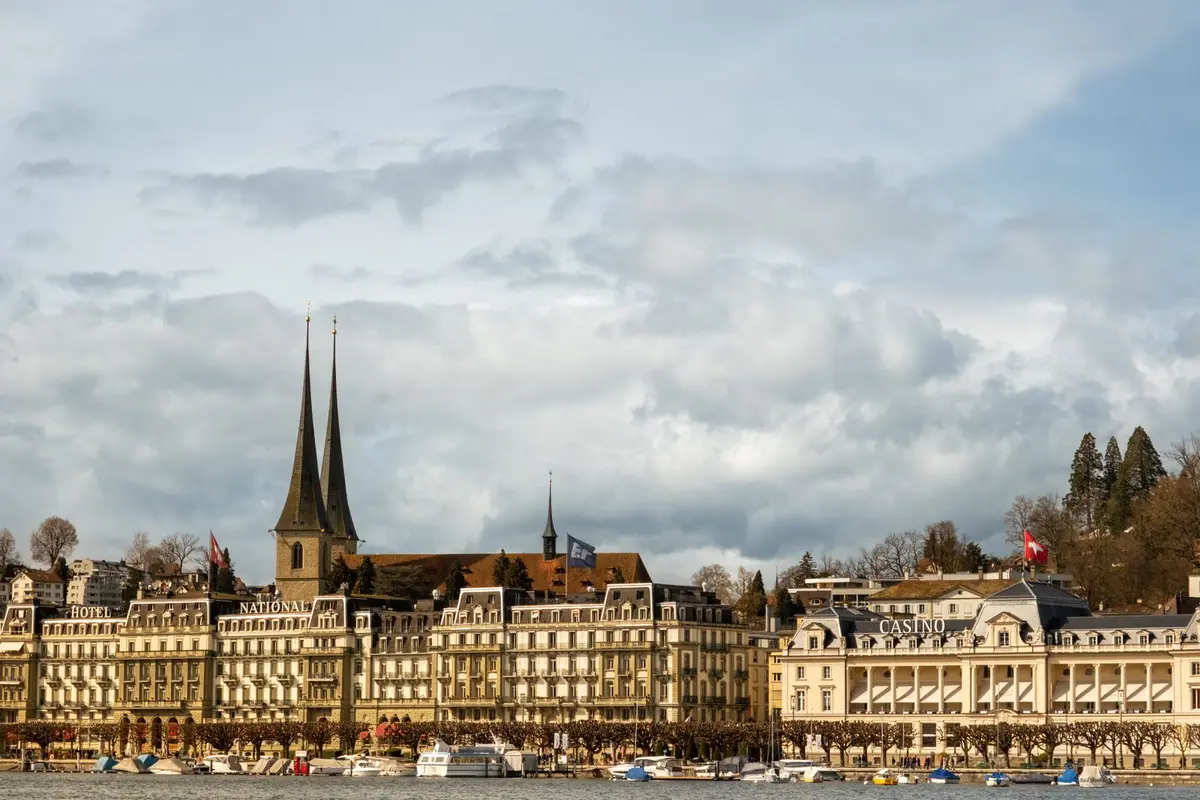
Plan 7-10 days minimum to see Switzerland properly. Focus on 2-3 regions rather than trying to cover everything. Lucerne, Interlaken, and Zermatt give you lakes, mountains, and classic Alpine scenery in one logical loop.
- Budget
- $165-275 per day
- Duration
- 7-10 days recommended
- Best Time
- June-September for mountains, December-March for skiing
- Visa Required
- No visa needed for most Western tourists under 90 days
Step by step
Choose your regions
Pick 2-3 areas maximum. Central Switzerland (Lucerne, Engelberg) for lakes and mountains. Bernese Oberland (Interlaken, Jungfrau region) for dramatic peaks. Valais (Zermatt, Matterhorn) for glaciers. Eastern Switzerland (St. Moritz, Davos) for luxury Alpine culture. Don't try to see everything.
Book accommodation early
Reserve hotels 2-3 months ahead, especially for summer (June-September). Mountain hotels fill up fast. Budget 200-400 CHF per night for decent hotels. Consider staying in valley towns like Interlaken rather than expensive mountain villages.
Get your Swiss Travel Pass
Buy the Swiss Travel Pass before you arrive. 3-day pass costs 232 CHF, covers trains, buses, boats, and many mountain railways. Calculate if it's worth it - a round-trip train from Zurich to Zermatt alone costs 138 CHF.
Plan around weather
Check mountain weather forecasts. Cable cars and mountain railways close in bad weather. Have indoor backup plans. Museums, thermal baths, and city exploration work on rainy days. Book flexible accommodations if possible.
Book mountain activities
Reserve Jungfraujoch train tickets online in advance - they sell out. Book paragliding, glacier tours, and mountain restaurant reservations ahead. Many mountain restaurants require bookings, especially on weekends.
Questions people ask
Do I need a car in Switzerland?
No. Public transport is excellent and many mountain areas are car-free. Trains reach everywhere tourists want to go. Parking is expensive and difficult in cities.
When do mountain lifts close?
Most close 4-6 PM. Last trips up are usually 30-60 minutes before closing. Many close entirely November-May except ski areas. Always check current schedules.
How expensive is food really?
Very expensive. Restaurant meals 25-50 CHF each. Groceries cost double what you pay at home. Pack snacks, shop at Coop/Migros supermarkets, consider hotel breakfast deals.
What if weather ruins my mountain plans?
Have backup indoor plans. Cities like Bern, Basel, Geneva work in any weather. Thermal baths, museums, shopping. Mountain weather changes fast - sometimes clearing by afternoon.
Budget
Expect 150-250 CHF ($165-275) per person per day including accommodation, food, and transport. Accommodation 100-200 CHF per night. Meals 40-60 CHF per day. Mountain railways 50-100 CHF per excursion. Switzerland is expensive - budget accordingly and consider picnic lunches to save money.
Packing
- Layers including warm jacket - mountain weather changes fast
- Comfortable waterproof hiking boots
- Sunglasses and sunscreen - Alpine sun is intense
- Portable phone charger - long days out
Itinerary
- 1 — Dinner in Lucerne old town. Try traditional Swiss restaurant like Rathaus Brauerei. — Arrive in Zurich. Take train to Lucerne (45 minutes). Walk old town, see Chapel Bridge. — Mount Pilatus cable car and cogwheel train. Clear day essential for views. — Store luggage at train station while sightseeing. Last Pilatus train down at 6 PM in summer.
- 2 — Interlaken town center. Book tomorrow's Jungfraujoch trip if weather looks good. — Early train to Interlaken (2 hours). Check into hotel. Walk to Harder Kulm funicular. — Lake Thun boat cruise or Trümmelbach Falls (inside-mountain waterfalls). — Interlaken Ost station for Jungfraujoch trains. Interlaken West for Lucerne/Bern connections.
- 3 — Return to Interlaken. Rest day - mountain altitude is tiring. — Jungfraujoch - Top of Europe train. Leave early (7-8 AM) to avoid crowds. — Ice Palace, Aletsch Glacier viewpoint, Sphinx Observatory. — Bring sunglasses, warm clothes. Altitude 3,454m. Train journey takes 2.5 hours each way.
- 4 — Zermatt village walk. Expensive but iconic mountain resort atmosphere. — Train to Zermatt via Visp (2.5 hours total). No cars in Zermatt - take shuttle from Täsch if driving. — Gornergrat railway for Matterhorn views. Clear weather essential. — Store bags at Zermatt station. Gornergrat runs until 6 PM summer, 5 PM winter.
- 5 — Early dinner in Zermatt. Mountain restaurants close early. — Matterhorn Glacier Paradise cable car. Europe's highest cable car station. — Glacier skiing (summer) or ice palace and viewing platform. — Cable car can close for weather. Have backup plan like village museums.
- 6 — Traditional Bernese dinner. Try rösti and local Emmental cheese. — Train to Bern (3.5 hours). UNESCO old town, Einstein Museum. — Bear Park, Rose Garden for city views, shopping on Kramgasse. — Store luggage at station. Bern is small - everything walkable from train station.
- 7 — Return to Zurich area for departure or extend trip. — Day trip to Rhine Falls near Schaffhausen (1 hour by train). — Boat rides to rock platform. — Direct trains Bern-Schaffhausen. Rhine Falls open year-round.
Getting around: Eurail and Interrail, the Europe guides and mastering the art of versatile packing.