Mastering the Art of Versatile Packing
Pack using a strict layering system based on a base, mid, and outer layer regardless of the destination. This allows you to combine items to handle temperatures ranging from 0°C to 30°C without overpacking.
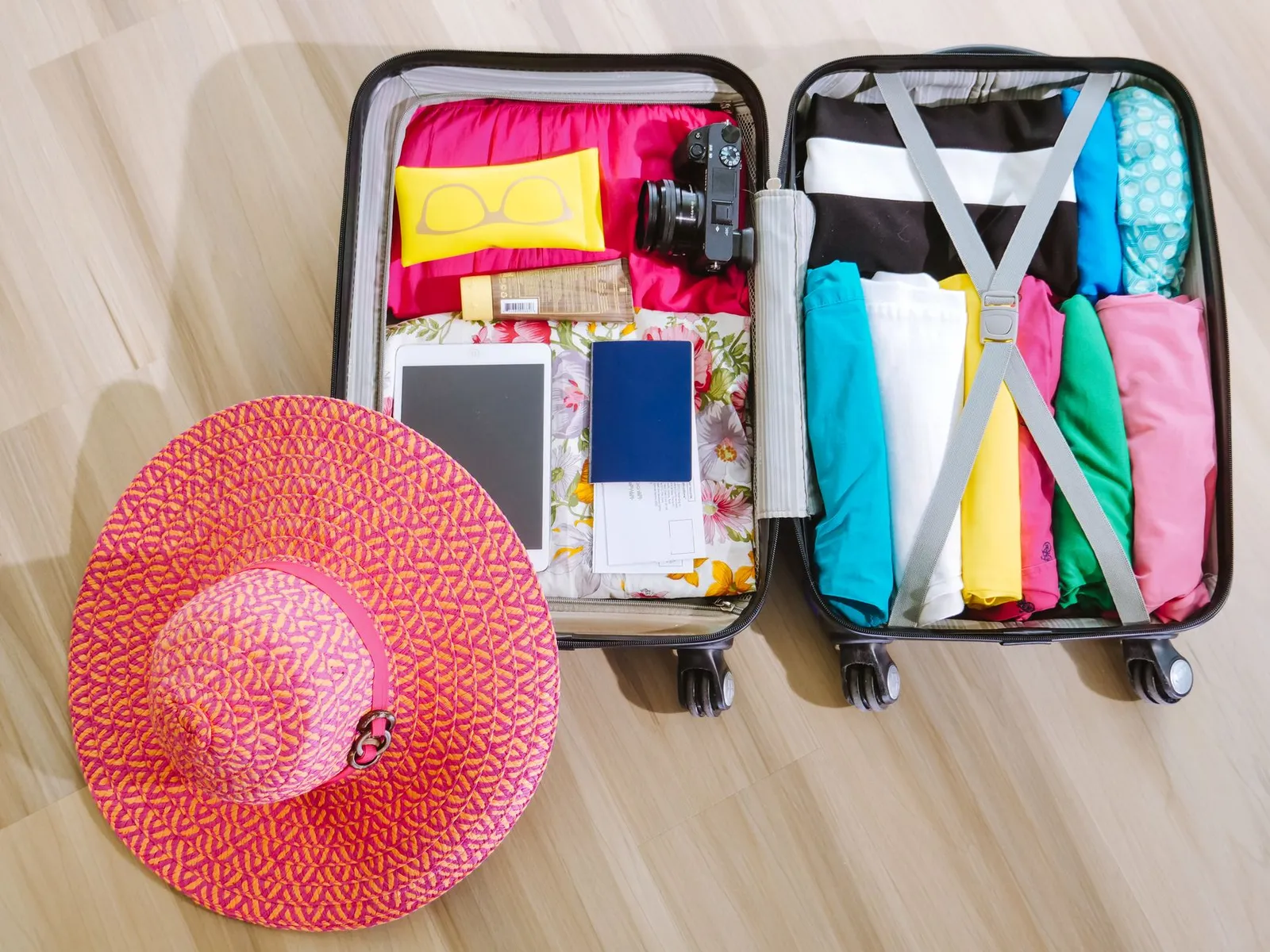
Pack using a strict layering system based on a base, mid, and outer layer regardless of the destination. This allows you to combine items to handle temperatures ranging from 0°C to 30°C without overpacking.
At a glance
- Budget
- 0
- Duration
- Indefinite
- Best Time
- Year-round
- Visa Required
- No - Packing smart avoids issues with heavy, oversized luggage at customs.
Step by step
Build a base layer of technical fabrics
Pack 3 merino wool or synthetic blend t-shirts. These wick moisture, dry quickly, and resist odors, meaning you can wear them multiple times before needing a wash.
Add a versatile mid-layer
Bring one lightweight fleece or a wool sweater. This provides insulation in cool weather but is easy to strip off and shove into a daypack if you're hiking or walking in the sun.
Select a weather-appropriate outer shell
Invest in a high-quality, windproof, and waterproof rain shell. In cold climates, wear this over your mid-layer; in warm, rainy climates, wear it over your base layer alone.
Choose bottoms that serve double duty
Pack two pairs of pants made of quick-dry, stretch material. Avoid heavy denim, which takes days to dry and occupies too much space in your bag.
Budget
| Note | This is a one-time investment. Expect to spend $250–$400 for a quality modular wardrobe that will last 5+ years of travel. |
| Estimate Per Day | 0 |
What to bring
- Merino wool base layers (3)
- Packable lightweight down or synthetic vest
- Waterproof/windproof shell jacket
- Quick-dry underwear (4 pairs)
- Merino wool socks (3 pairs)
Visa & entry notes
Packing habits do not affect your visa status. Always ensure your luggage dimensions comply with your airline's carry-on restrictions, typically 55cm x 40cm x 20cm, to avoid checked baggage fees and airport hold-ups.
Read the forecast range, not the average
Look up the daily highs and lows for your dates and for every place you will stay, including any mountain or coastal stops. The layering system is built around the coldest morning and the warmest afternoon, not the average day. If the range sits well outside what your layers can handle, add one item for that extreme instead of rebuilding the whole bag.
Adjusting for the extremes
- Hot and humid: loose, light-coloured base layers, a sun hat and sunscreen. Leave the fleece at home if the nights stay warm, but keep the shell for downpours.
- Cold: add a thermal base layer, a warm hat and thin gloves. They take up little room and let the same mid-layer and shell work in much lower temperatures.
- Wet: the shell does most of the work; add a spare pair of socks in a waterproof bag and shoes that dry quickly.
Looking after the layers on the road
Technical fabrics last longer when treated gently. Wash merino and synthetics in cool water, skip hot tumble dryers, and dry them flat or on a hanger. Air items out overnight between wears. If water stops beading on your rain shell, reproof it at home before the next trip, because a shell that soaks through stops being an outer layer.
Shoes are the one thing layering can't fix. Choose a single pair that can handle wet pavement and a long day on foot, and wear it on the plane.
FAQ
Is denim ever okay to pack?
Only if you are staying in one place for a long time. If you are moving frequently, the weight and slow drying time make denim a liability.
How do I deal with extreme cold if I'm packing light?
Wear your heaviest items on the plane. If you have a thermal base layer, pack that—it takes up almost no space and adds a massive amount of warmth when layered correctly.
To fit these layers into one bag, see how to pack for two weeks in a carry-on or the stricter personal-item-only packing list. If you are travelling in the shoulder months, when one warm layer and a waterproof make the difference, September beats July explains why those weeks are worth it.
See also
- How to choose a carry-on that fits all airlines?
- How to manage money and avoid fees while traveling?
- How to organize your digital and physical travel documents?
For tips on how to eat like a local without breaking your food budget, head over to HowTo Food.