Navigating India's Train System on a Budget
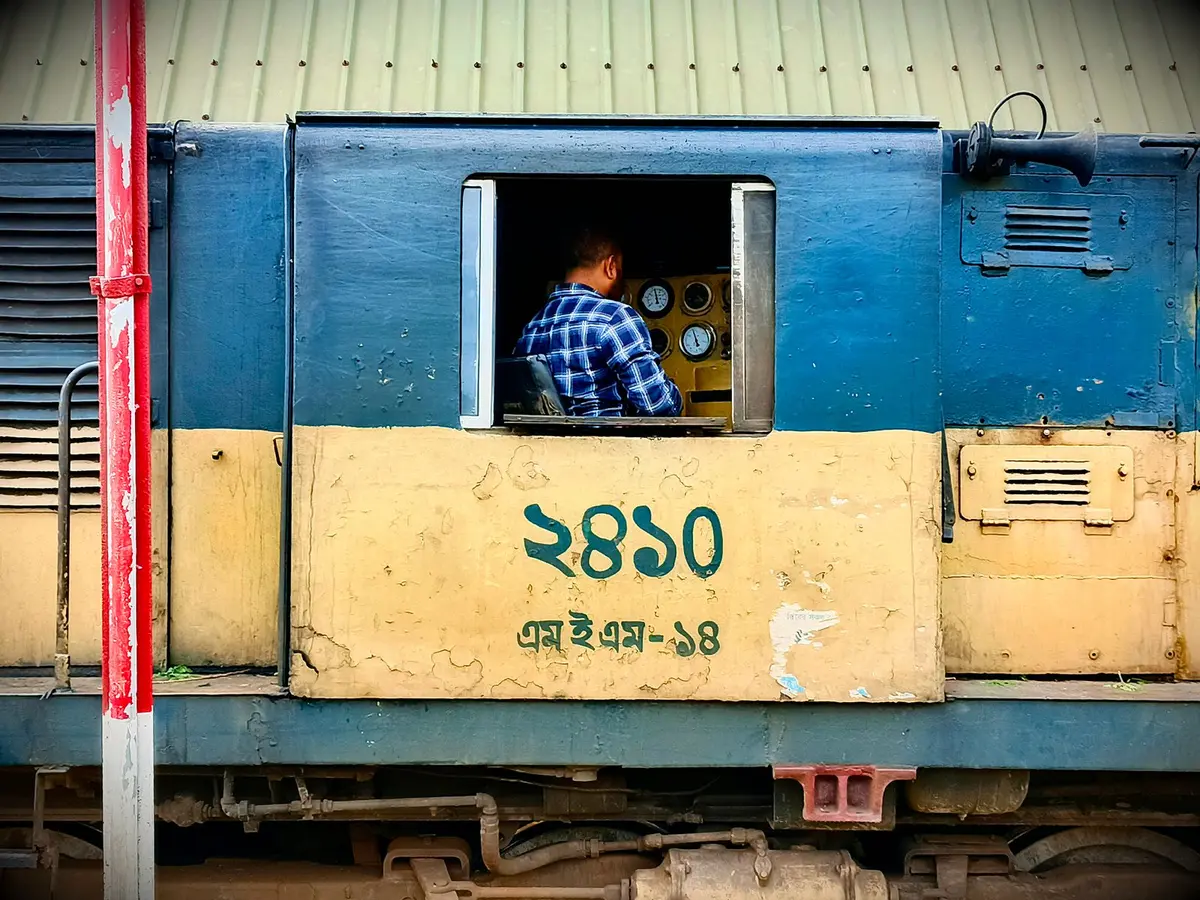
Book your tickets at least 30 days in advance using the IRCTC website or the ConfirmTkt app. Stick to 3AC or Sleeper class to keep costs low while experiencing authentic, long-distance Indian travel.
- Budget
- $20 per day (transport focus)
- Duration
- 30 days recommended for a cross-country circuit
- Best Time
- October to March (coolest months)
- Visa Required
- Yes; E-visa is mandatory for most tourists.
Step by step
Create an IRCTC account
Register on the official IRCTC website. You will need a mobile number—non-Indian numbers work, but you may need to pay a small verification fee to receive the OTP.
Use the right tools
Download 'ConfirmTkt' or 'ixigo'. These apps are far more user-friendly than the official portal for checking seat availability and tracking live train status.
Choose your class wisely
Sleeper (SL) is the cheapest and non-AC; it's loud, crowded, and authentic. 3-Tier AC (3AC) provides bedding, curtains, and air conditioning for a modest price increase. Avoid General class unless you are on a very short journey and have no luggage.
Manage your waitlist
If your ticket says 'WL' (Waitlist), you do not have a confirmed seat. Only book if your status is 'CNF' or if your waitlist number is very low (e.g., GNWL 1-10) and likely to move to confirmed.
Questions people ask
Is Sleeper class safe for solo travelers?
Yes, but keep your bags locked to the seat and your valuables in a money belt under your clothes while sleeping.
Can I buy tickets at the station?
You can, but popular routes sell out weeks in advance. Buying in person at the 'Foreign Tourist Quota' counter in major cities is a backup option, but don't rely on it for last-minute travel.
- Notes
- Always carry small denominations of cash (10, 20, 50 rupee notes) for tea and snacks sold by vendors on the train.
- Daily Cost
- Expect to spend $15-$25 per day on train travel if you are moving between major cities, including snacks and water. Sleeper class journeys of 12 hours often cost under $10.
Packing
- A sturdy cable lock to secure your backpack to the under-seat chain eyelets.
- A silk or cotton sleeping bag liner for hygiene on Sleeper class berths.
- A universal power bank, as charging points in older carriages are often broken or non-existent.
- A reusable water bottle with a built-in filter, though bottled water is cheap and available at every station.