How to travel safely in Uganda
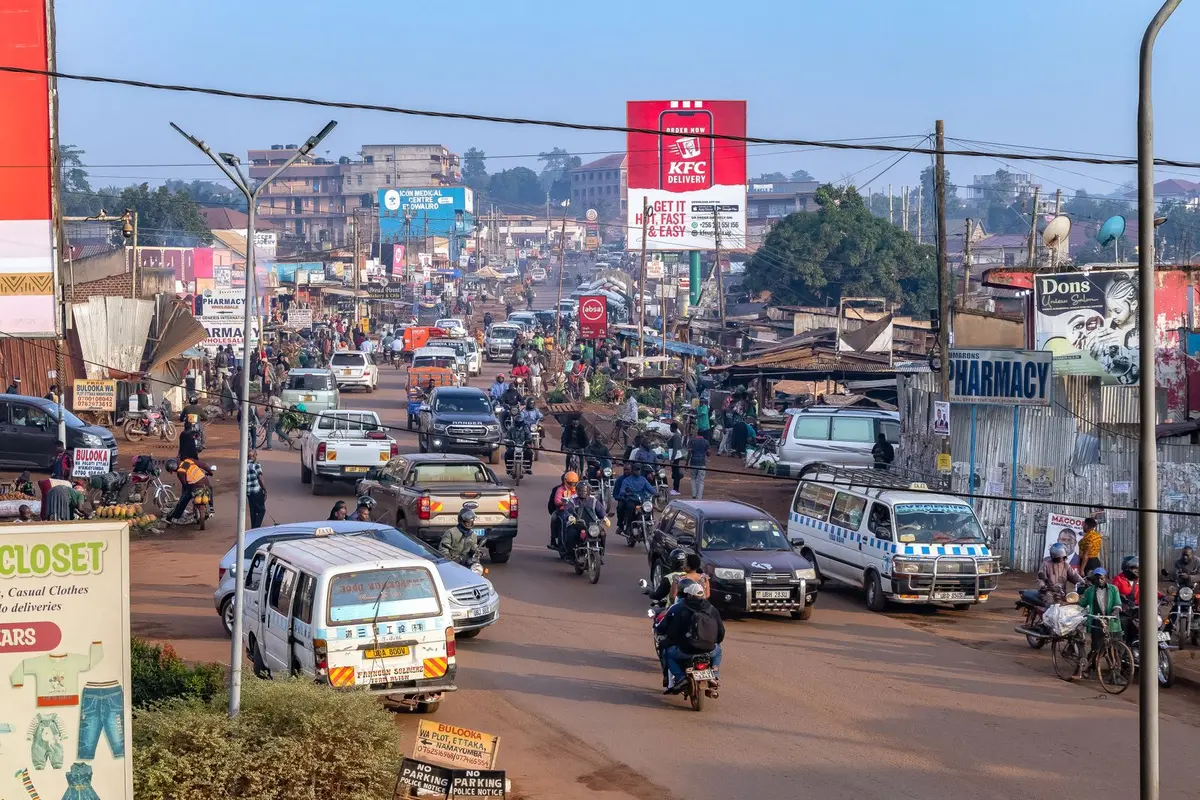
Traveling safely in Uganda relies on using reputable local tour operators, avoiding night driving, and staying informed about regional tensions near the borders. Stick to well-traveled safari circuits and always keep your documents and valuables secured in a locker or hotel safe.
- Budget
- 150-250 dollars per day
- Duration
- 10-14 days recommended
- Best Time
- June to August or December to February
- Visa Required
- Yes; most nationalities require an e-visa applied for online.
Step by step
Book through a registered operator
Only book your safaris or transport through companies registered with the Association of Uganda Tour Operators (AUTO). This ensures your guide is vetted, your vehicle is maintained, and you have support if something goes wrong.
Avoid driving after dark
Road conditions degrade significantly at night, and unlit vehicles or stray animals are major hazards. Plan your drives to arrive at your accommodation by 6:00 PM.
Secure your documentation
Carry digital copies of your passport, yellow fever vaccination card, and insurance on your phone or in a cloud account. Keep physical originals in a dedicated travel pouch or a hotel safe.
Monitor border zone warnings
Avoid travel to border areas, specifically near the DRC and South Sudan, unless you are strictly following a guided itinerary managed by a reputable operator who has vetted the current security situation.
Manage your money discreetly
Use ATMs only inside shopping malls or bank lobbies during daylight hours. Carry enough local currency (UGX) for small expenses, but keep your main stash of cash hidden in your luggage.
Questions people ask
Is it safe to drink the tap water?
No. Always drink bottled, boiled, or properly filtered water to avoid traveler's diarrhea or parasites.
What should I do if I'm stopped by the police?
Remain calm and polite. Show your documents, but never hand over your physical passport unless you are at an official checkpoint. Ask for identification if you are uncomfortable.
Is Uganda safe for solo travelers?
Yes, provided you stay on the established safari circuit. Avoid walking alone in Kampala at night and use ride-hailing apps like Uber or Bolt for inner-city travel instead of 'boda-bodas' (motorcycle taxis).
- Notes
- Expect to spend about 30 dollars per day on food, 100 dollars on mid-range accommodation, and the remainder on private transport and park fees, which are the highest costs in Uganda.
- Daily Estimate
- 150-250 dollars per day
Packing
- Headlamp with extra batteries for power outages
- High-quality malaria prophylaxis (consult your doctor)
- Neutral-colored, lightweight long-sleeved shirts
- Water purification tablets or a high-end filtered bottle
- Universal power adapter with surge protection