Staying Safe as a Solo Female Traveler in Iran
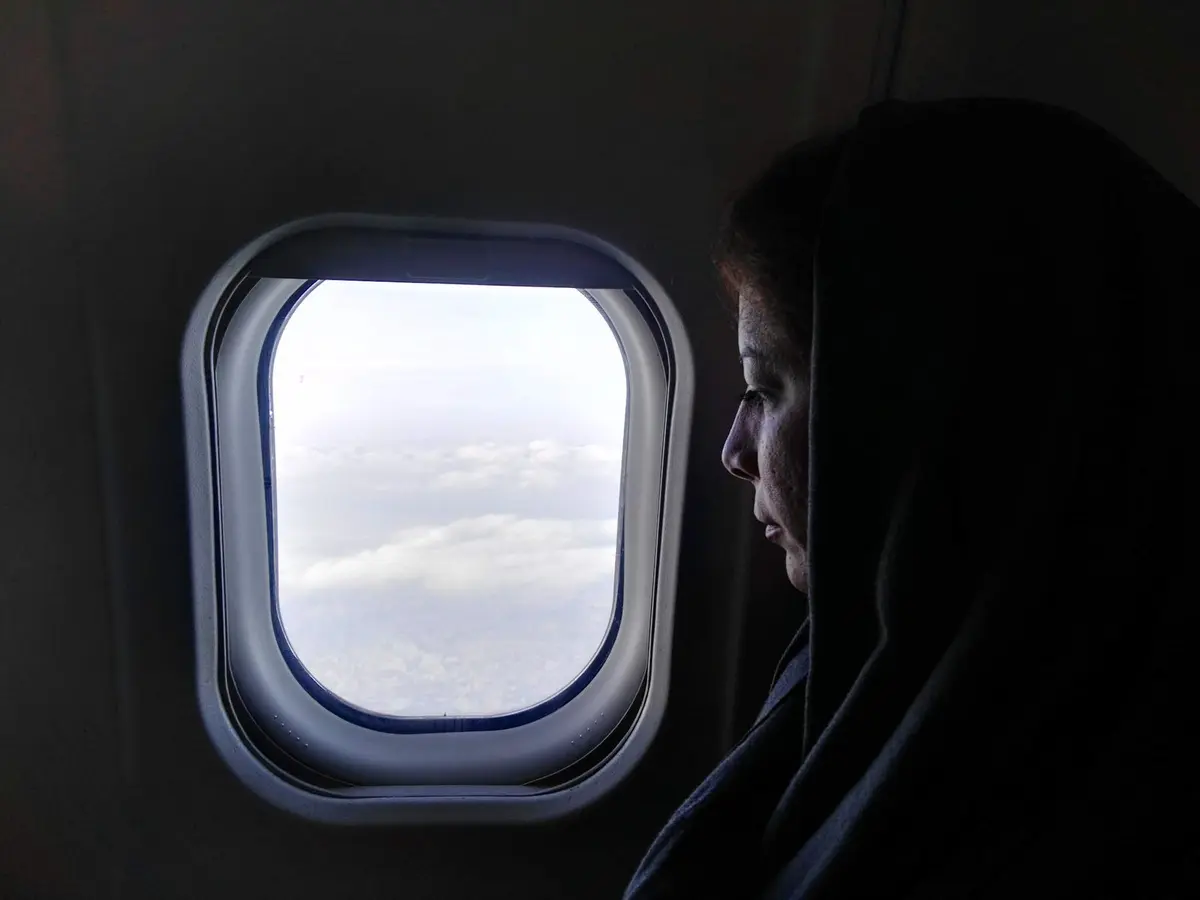
Prioritize dressing modestly to match local expectations, rely on official government-licensed guides or verified homestays, and keep your phone charged with a local SIM card. Navigating Iran as a solo woman is perfectly safe if you respect local laws, dress codes, and social norms regarding interaction with men.
- Budget
- 60 dollars per day
- Duration
- 14 days recommended
- Best Time
- April-May or September-October
- Visa Required
- Yes; ensure you have your authorization code before flying.
Step by step
Master the dress code (hejab)
Women must cover their hair, neck, and arms in public. Pack loose-fitting tunics (manteaus) that reach mid-thigh and wear trousers or leggings. A light scarf should always be in your bag to cover your head the moment you step off a plane or train.
Choose your accommodation wisely
Book hostels or hotels in advance. Look for places with high ratings on independent forums like TripAdvisor or travel blogs. Many solo female travelers prefer traditional guesthouses where the owners are present and can provide a layer of local protection.
Get a local SIM card immediately
Purchase a SIM card (Irancell or MCI) at the airport upon arrival. It is essential for navigation, booking Snapp (the Iranian equivalent of Uber), and staying in touch with your accommodation host.
Navigate social interactions
Expect curiosity. If a man becomes overly persistent or makes you uncomfortable, be firm, say 'No' (Na), and walk toward a shop or a crowd. Avoid private dinners or unvetted private car rides.
Use Snapp for transport
Download the Snapp app. It tracks your ride in real-time and hides your phone number from the driver. It is safer and more efficient than hailing random taxis on the street.
Questions people ask
Is it safe to walk alone at night?
Yes, major cities like Tehran, Shiraz, and Isfahan are generally safe, but stick to well-lit, populated areas and avoid back alleys.
Do I have to wear a chador?
No. A chador is only required when visiting specific religious shrines, where they are usually provided for rent at the entrance.
How do I handle money if my cards don't work?
You must bring enough physical cash for your entire trip. Exchange it at 'Sarafi' offices; do not change money with street dealers.
- Notes
- Bring all your money in cash (EUR or USD) as international credit cards do not work in Iran. You will need to exchange money at licensed shops (Sarafi).
- Daily Estimate
- 50-70 USD per day covers a comfortable private room, all meals, and internal transport.
Packing
- A lightweight, breathable scarf (multiple colors)
- Loose-fitting long-sleeve tunics or cardigans
- A universal power adapter (Type C/F)
- A VPN app (installed *before* entering Iran to access blocked sites)