Four Days in Istanbul.
Four days in Istanbul, one area a day: Sultanahmet, Karaköy, the Asian side and the Bosphorus, with Hagia Sophia, Topkapi, hammams and ferries.
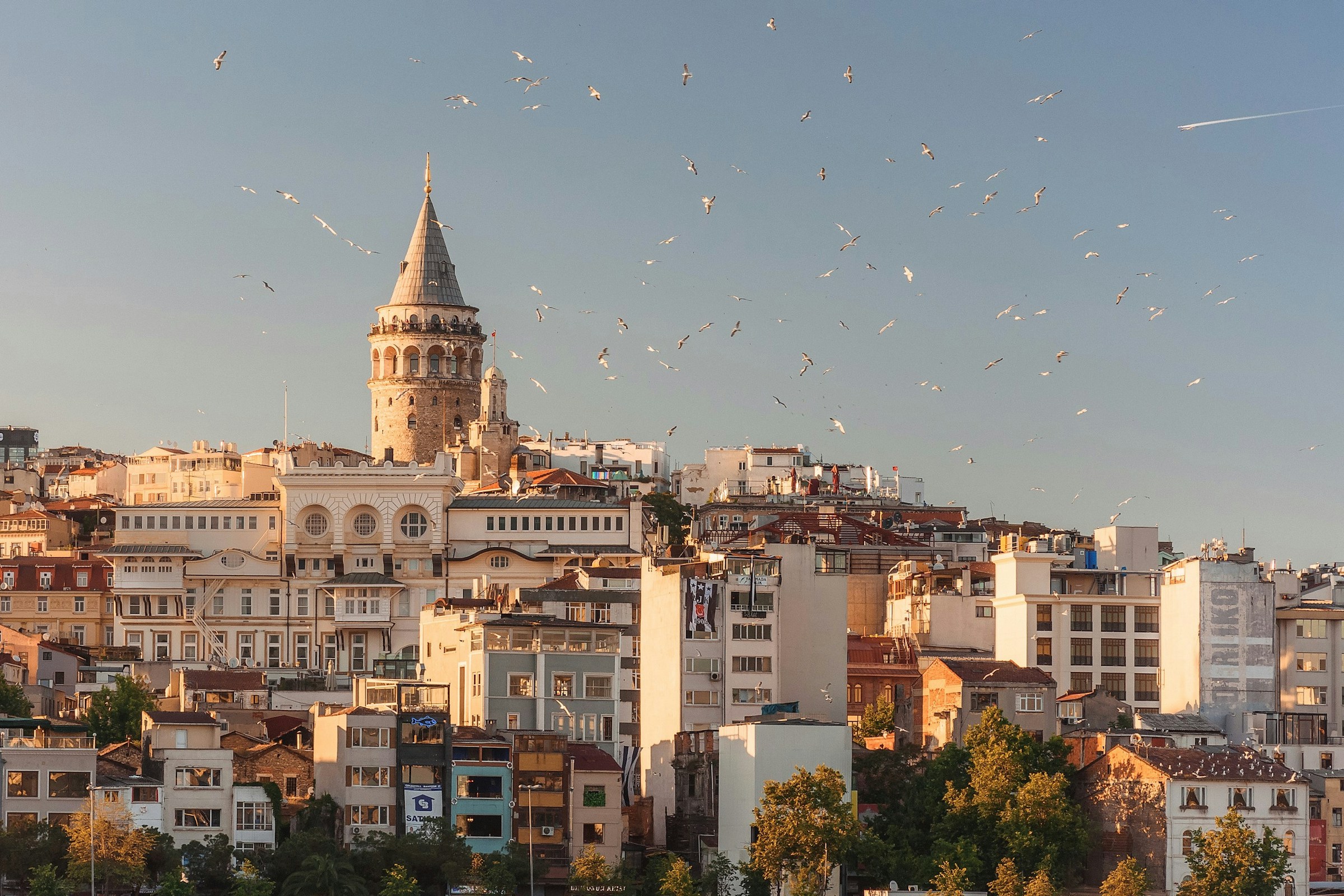
Three-day Istanbul plans force a Sultanahmet sprint and miss the Asian side entirely. Four days lets the city become four cities — Sultanahmet, Karakoy, Kadiköy, and the Bosphorus — equal weight, no rushing. From Beirut, after more visits than I can count: how to do it without the standard mistakes.
- 4 nights, in any season except August (too hot, too touristed)
- Best months: April–June and September–October
- e-Visa or visa-on-arrival depending on passport — most Western passports get a sticker visa at the airport
- IstanbulKart for ferries, trams, buses — buy at the airport
- Filed May 2026 by Layla Hashemi, Beirut
The four-day shape.
Istanbul is not one city. It is at minimum three: the imperial peninsula of Sultanahmet, the European-modern district of Beyoglu and Karakoy across the Golden Horn, and Kadiköy and Uskudar on the Asian shore of the Bosphorus. To these you add the Bosphorus itself, which is best understood as the connective tissue and which earns its own day. Three days forces you to choose two of the four. Four days lets you give one to each.
That structure — one neighborhood per day — is the single best decision I can offer you. Most first-timers I meet have crammed Sultanahmet into a single morning, raced across the bridge for an afternoon at Galata, never made it across to Asia, and ended up exhausted on a Bosphorus dinner cruise that was the wrong way to see the strait. Slow down. Use the ferries the way locals do, as transit. Eat where the food actually is — Karakoy and Kadiköy, not the touristed restaurants of Sultanahmet.
Day one: Sultanahmet, in the right order.
Hagia Sophia first thing. The building is currently a working mosque — it was reconverted from museum status in 2020 — and prayer-time closures cut into the day. Be at the door when it opens. As of January 2024, foreign visitors who come to sightsee use a separate entrance from worshippers, pay €25 and see the mosque from the upper gallery. Then directly across the square to the Blue Mosque, which is also active for prayer; allow forty minutes, dress conservatively, women cover hair (scarves provided at the entrance).
Lunch in Sultanahmet but not at the obvious places. Walk five minutes off the tourist drag — Asitane is too far, but the small lokantas on Akbiyik Caddesi are reliable. After lunch, Topkapi for the afternoon. Buy the Harem ticket separately; it is a small supplement and the Harem is the half of Topkapi most worth seeing. The view from the Marmara Sea pavilion at the far end of the palace is the best free vista in the old city.
End the day at the Basilica Cistern — late afternoon when the queue thins. Dinner near your hotel; if you are staying in Sultanahmet itself, walk to Eminonu and eat fish at one of the bridge-stand grills.
Day two: Karakoy and Galata.
Walk the Galata Bridge in the morning while the fishermen are still working the upper deck. Cross into Karakoy. Galata Tower for an early-day view — book the timed ticket online; the queue without one is unforgiving. Then up the hill to Cihangir for late breakfast at Cuma or Smyrna — these are the residential streets where Istanbul's design and creative class actually lives.
Karakoy itself is the food neighborhood now. Karakoy Lokantasi for traditional meyhane lunch — order the cold mezze table and let it sprawl. Walk the gallery district along Bogazkesen. Late afternoon: tea at one of the corniche cafes, watching the ferries cross to Kadiköy. Cemberlitas Hamami back across the Golden Horn at the end of the day — it is Sinan-designed (1584), still in continuous operation, and the bath itself is delivered at scale by people who have done it well for a long time. Not the quietest hammam in the city, but the most architecturally complete.
Skip Hagia Sophia Hamami and Suleymaniye Hamami, both run more aggressively touristy. For something quieter and pricier, Kilic Ali Pasha in Tophane (also Sinan, restored 2012) is the alternative.
Day three: the Asian side.
This is the day three-day plans skip and the day that makes the trip. Take the Eminonu-to-Kadiköy ferry — about twenty minutes on your IstanbulKart, and the ferry ride itself is the experience. Tea on the deck. Seagulls following the boat for the simit crumbs. The skyline of the European side dropping behind you and the Asian shore rising ahead. This is what people pay a cruise operator for, at the price of a public ferry fare.
Kadiköy is a working neighborhood, not a tourist one. Walk the food markets along Gunesli Bahce — fishmongers, pickle shops, the small bakery selling pogaca, the cheese vendors who let you taste. Lunch at Ciya Sofrasi, which is a religious experience: Anatolian regional cooking from villages most Istanbul restaurants ignore, served by the chef Musa Dagdeviren who has been documenting the country's culinary geography for thirty years. Order the daily stew. Order the kunefe to finish.
Walk Moda in the afternoon — a hilly residential neighborhood that ends at a park overlooking the Sea of Marmara. Coffee at one of the cafes around Moda Caddesi. Take the ferry back at sunset, which on a clear evening is among the best two hours you will spend in Istanbul.
Day four: the Bosphorus and Chora.
Morning Bosphorus ferry from Eminonu. Two options — the long ferry up to Anadolu Kavagi at the Black Sea mouth (six hours round trip, lunch at the village at the end), or shorter jumps with stops at Bebek and Ortakoy. I prefer the shorter version. Get off at Bebek, walk the corniche, coffee at the marina. Continue the next ferry to Ortakoy, see the small Ottoman mosque under the first Bosphorus bridge, walk back along the European shore.
Afternoon: taxi to the Chora church in Fatih. This is the under-visited masterpiece of Istanbul. A small fourteenth-century monastery church covered in the best surviving Late Byzantine mosaic and fresco cycle anywhere — better than what survives in Hagia Sophia, undamaged by the iconoclasts, executed by an artist working at the height of his powers. The building is officially a mosque again as of 2020, with periodic prayer closures. Check the schedule and visit between prayers. Pair with a walk along the adjacent Theodosian land walls.
Sunset on a Karakoy or Galata rooftop. Dinner at Lokanta Maya or Hatay Civilizations Sofrasi. Sleep early; you have an early flight.
The Grand Bazaar and what to skip.
The Grand Bazaar is not skippable in the strict sense — walk through the Cevahir Bedesten, the central old core, and out the other side. Twenty minutes. Do not shop there. The prices are tourist-priced, the hard sell wears thin within the hour, and the carpet floor exists to find people who didn't get a referral.
For real shopping: the Spice Bazaar (smaller, less aggressive, the dried-fruit and honey stalls are fair), the Arasta Bazaar next to the Blue Mosque (calmer, fixed prices), or — for carpets and textiles specifically — ask your hotel for an introduction to a specific dealer.
Other things to skip: the dinner cruises, the Whirling Dervish tourist shows (the genuine Mevlevi ceremonies happen only in Konya and on specific dates), bus tours of any kind, and the Taksim Square hotels. None of these earn their time or money.
Where to stay.
Sultanahmet for first-time visitors who want to walk to the monuments. Four Seasons Sultanahmet at the top end; Hotel Empress Zoe and Sirkeci Mansion in the mid-range. Karakoy or Beyoglu/Cihangir for repeat visitors who care more about food and neighborhood feel — Soho House Istanbul, the Vault Karakoy at the top end; Witt Suites in Cihangir for the residential immersion. Avoid the Taksim Square hotels — too central in the wrong direction.
Six questions before you book.
- Are four days enough for Istanbul?
- The minimum that gives the city its actual shape. Three days forces a Sultanahmet sprint and skips Asia. Four days lets you give one each to Sultanahmet, Karakoy, Kadiköy, and the Bosphorus.
- In what order should I see the major Sultanahmet sites?
- Hagia Sophia at opening. Blue Mosque immediately after. Lunch. Topkapi (with the Harem) in the afternoon. Basilica Cistern late, when the queue dies. All on day one.
- Why is the Chora church under-visited?
- It is in the western Fatih district, a thirty-minute taxi from Sultanahmet. Most three-day plans don't reach it. The fourteenth-century mosaics are the best surviving Late Byzantine cycle anywhere.
- Where should I eat?
- Karakoy and Kadiköy. Karakoy Lokantasi, Namli Gurme, Lokanta Maya in Karakoy. Ciya Sofrasi in Kadiköy is a religious experience for Anatolian regional cooking.
- Which hammam should I go to?
- Cemberlitas Hamami — Sinan, 1584, in continuous operation. The architecture is real and the bath is delivered well. Skip the more touristy Hagia Sophia and Suleymaniye hammams. Kilic Ali Pasha is the quieter alternative.
- Should I skip the Grand Bazaar?
- Walk through. Don't shop. The Spice Bazaar and Arasta Bazaar are better for actual purchases. For carpets, get a dealer introduction from your hotel.
Day trips, half-days, and what to add for a fifth day.
If you have a fifth day, the strong options are a Princes' Islands ferry or a Cappadocia detour. The Princes' Islands — Buyukada specifically, the largest of them — is a ninety-minute ferry from Kabatas, no cars, horse-drawn carriages and bicycles only, late-Ottoman wooden mansions in various states of ruin and restoration along the shore. A full-day excursion. Eat fish at one of the harbor restaurants. Cycle the loop around the island in two hours.
Cappadocia is the real extension. Two-hour flights from Istanbul to Kayseri or Nevsehir, two nights in a Goreme cave hotel, a sunrise hot-air balloon, a day of hiking the rose and red valleys. Add it as a three-day extension to the four-day Istanbul plan if you have a week, and you have what is in my view the most rewarding shape for a first trip to Turkey.
Half-day options inside Istanbul that I have not given a full day in the four-day plan: the Suleymaniye Mosque (Sinan's masterpiece, on the highest hill of the old city), the Pera Museum (small, well-curated, the Osman Hamdi Bey paintings), the Sakip Sabanci Museum on the upper Bosphorus (calligraphy and modern Turkish painting), the Istanbul Modern in Karakoy (the contemporary collection, recently reopened in a new building). Pick one and slot it into a Karakoy or Sultanahmet day.
The Black Sea coast is a longer drive than it looks. Skip it on a four-day Istanbul plan; come back another time and base out of Trabzon for a Pontic Mountains trip. The Aegean coast and Ephesus are also too far for a side-trip from Istanbul; combine with a separate Izmir or Bodrum-based itinerary.
Field notes from the road.
A few practical things across recent Istanbul visits. The Turkish lira has been volatile for several years; carry both lira and dollars and check exchange rates the morning of any major purchase. Most restaurants and hotels accept cards, but the small lokantas, the ferries, and the bazaars are still cash-first. Currency exchange offices at the Grand Bazaar and around Sultanahmet generally give better rates than airport kiosks; avoid hotel exchanges entirely.
The IstanbulKart is the single most useful object you will own this trip. Buy at the airport on arrival, top up with twenty euros' worth of lira, and use it for ferries, trams, the funicular up from Karakoy to Tunel, the metro, and the buses. The same card works for multiple people on the same trip — tap once per person at the turnstile.
Tipping is low-key: ten percent at restaurants is generous, round up taxi fares, ten or twenty lira for a hotel porter. The hammam attendants expect a tip — fifty to a hundred lira depending on the bath you booked — handed directly after the foam massage and exfoliation.
Ramadan changes the rhythm of the city. Restaurants stay open, but the iftar dinner crowds at sunset are unpredictably large in conservative neighborhoods like Fatih and parts of Eyup. The European-modern districts (Karakoy, Beyoglu, Cihangir, Kadiköy) operate more or less normally. If your visit overlaps with Ramadan, eat lunch at quieter places, and book iftar dinners at restaurants you actually want to try.
A note on geography: Istanbul straddles two continents — the city's European peninsula and its Asian shore. By some definitions Istanbul is therefore a European city. By the lived geography, the markets and the food and the centuries of Ottoman empire that ran east as well as west, Istanbul is also a Middle Eastern city. We have placed this guide on the Middle East hub because that is where the trip naturally connects — many travelers come here as part of a wider regional itinerary that includes Cappadocia, Beirut, or the Levant. Treat that as the reading direction, not a categorical claim.