Which Airplane Rows Should You Avoid?
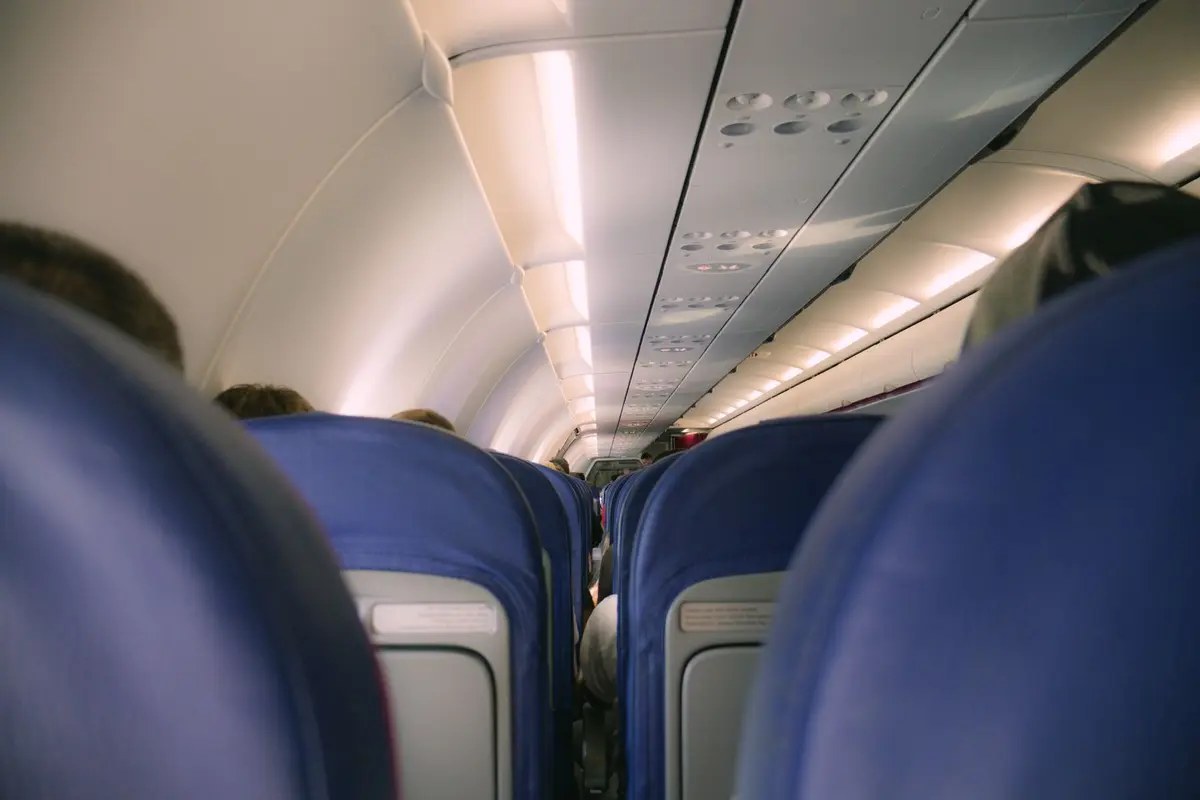
Avoid the last row (seats don't recline and bathroom noise is constant), middle exit rows (reduced legroom despite the name), and bulkhead seats with immovable armrests (tight squeeze and no under-seat storage). The row in front of exit rows is also poor — passengers behind you get full recline while yours is blocked.
- Applies to
- All commercial flights
- Worth Paying
- Yes for flights over 3 hours, maybe for shorter flights
- Cost to Avoid
- $10-$80 per flight segment for advance seat selection
- When to Select
- At booking or exactly 24 hours before departure
Step by step
Skip the last row entirely
The last row on most planes has seats that don't recline or recline only 2-3 inches. You're also next to the bathrooms — expect queue traffic, door slams, and persistent odors throughout the flight. On twin-aisle planes, avoid the last 2-3 rows for the same reasons.
Check exit row configurations carefully
Not all exit rows are created equal. The row directly in front of an exit often has reduced or no recline to keep the emergency path clear. Middle exit rows (when there are two exit rows together) typically have less legroom than the row behind them because of the door mechanism. Only book the exit row that's actually next to the door.
Avoid bulkhead seats with fixed armrests
Bulkhead seats (the row behind a dividing wall) often have immovable armrests because the tray table is stored inside. This reduces your seat width by 1-2 inches. You also can't store anything under the seat in front of you during takeoff and landing. Only choose bulkhead if you need the legroom and don't mind the trade-offs.
Stay away from seats near galleys
Galley areas mean constant crew traffic, carts banging, ice crushing, and conversation throughout the flight. Avoid any seat within 2-3 rows of a galley, especially on long-haul flights where meal service happens multiple times.
Watch for misaligned windows
Some seat rows have no window or a window that's too far forward or back to see out of. Check your specific aircraft's seat map on SeatGuru.com before booking. This matters most on daytime flights or if you want to sleep against the wall.
Avoid the row in front of exit rows
Your seat won't recline (or reclines minimally) while the exit row behind you has full recline and extra legroom. You get the worst of both worlds. This is often marked on seat maps but easy to miss when booking quickly.
Questions people ask
Are exit row seats always better?
No. The exit row directly in front of the door is usually excellent. But the middle exit row (if there are two) often has less legroom than normal because of the door housing. And exit rows sometimes have narrower seats because the tray table is in the armrest. Check the specific configuration for your aircraft.
Can I move seats after boarding if I got stuck in a bad row?
Once boarding is complete and the door is closed, flight attendants will usually let you move to any empty seat in your cabin class. Wait until after takeoff for best results. Never move to a premium seat or exit row without asking — these are tracked and you could be moved back.
How do I find out which seats to avoid on my specific plane?
Go to SeatGuru.com, enter your flight number and date, and you'll see the exact aircraft configuration with color-coded good and bad seats plus detailed notes. Airline seat maps at booking also show some restrictions but are less detailed.
Is it worth paying to avoid a bad seat on a short flight?
On flights under 2 hours, most people skip paying for seat selection and just take what they get at check-in. On flights 2-4 hours, it depends on your tolerance and schedule — a non-reclining seat is annoying but survivable. Over 4 hours, pay for a decent seat.
What's the absolute worst seat on a plane?
The middle seat in the last row, especially on a single-aisle plane. You can't recline, you're sandwiched between strangers, you're next to the bathroom, and you board first but deplane last. Avoid at all costs on any flight over 2 hours.
- Workaround
- If you have airline status or a co-branded credit card, seat selection fees are usually waived. Otherwise, check in exactly 24 hours before departure to grab the best available free seats before they're gone.
- Seat Selection Fees
- Most airlines charge $10-$80 per flight segment to choose your seat in advance. Basic economy often requires paying extra just to avoid being assigned a bad seat at check-in. Premium economy or exit row seats run $50-$200 per segment depending on flight length and airline.
Packing
- Neck pillow if you're stuck in a bad seat — makes non-reclining seats more tolerable
- Noise-canceling headphones or quality earplugs — essential near bathrooms or galleys
- Eye mask for bulkhead seats where you can't control light from adjacent cabins
- Compression socks for seats with limited legroom or no recline
- Phone with SeatGuru or similar app downloaded before flight — lets you check your specific aircraft's layout at the gate and potentially move seats
More on choosing seats: seat selection, red-eye vs day flights and the personal-item-only packing list.