How to Choose a Fitness Band Instead of a Smartwatch
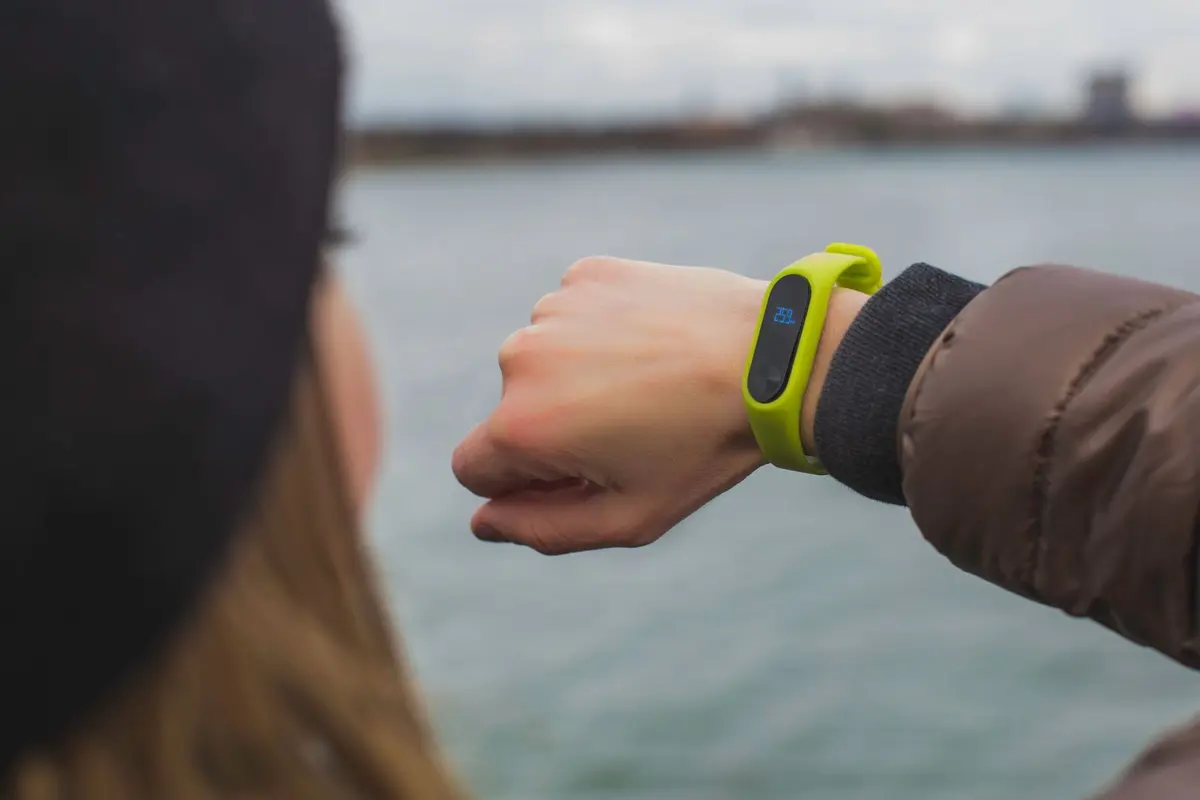
- Difficulty
- Beginner
- Tested on
- watchOS 11, Garmin OS 20, Fitbit OS 4.0
- You will need
- Current health requirements list, smartphone, budget parameters
Step by step
Define your primary health metrics
List the specific data points you require for daily tracking. If you only need steps, sleep quality, and heart rate, a fitness band is sufficient. Smartwatches are only necessary if you require cellular connectivity, offline maps, or standalone application installation.
Note: Fitness bands lack the high-drain processors required for complex third-party app stores.Prioritize battery autonomy
Evaluate your tolerance for frequent charging. Fitness bands typically last 7 to 14 days on a single charge due to low-power displays and stripped-back operating systems. Smartwatches generally require daily charging cycles to support advanced sensors and color OLED screens.
Evaluate the form factor requirements
Consider the physical profile of the device. Fitness bands feature slim, lightweight chassis designed to be worn 24/7 without hindering sleep or clothing fit. Smartwatches are bulkier and may interfere with formal wear or athletic activities requiring wrist flexibility.
Note: Check the weight specifications; most bands weigh under 30 grams.Confirm notification necessity
Decide if you need to respond to messages directly from your wrist. Fitness bands act as passive notification relays; they display alerts but do not support full keyboards or voice-to-text dictation. If you require interactive communication, opt for a smartwatch.
Review the software ecosystem
Check the compatibility of the device's companion application with your existing health data hub. Ensure the band syncs natively with platforms like Apple Health or Google Fit. A restrictive ecosystem can lead to data fragmentation across different apps.
Note: Verify that the device does not require a subscription service to unlock basic sensor data.Finalize your selection based on cost
Calculate the price-to-utility ratio. Fitness bands provide the highest value for biometric tracking at a lower cost, often 70% cheaper than equivalent smartwatches. Purchase the device only if it meets your core tracking needs without requiring unused premium features.
Note: Prioritize sensor accuracy over aesthetic customization.