How to Choose the Right Smart Plug
- Difficulty
- Beginner
- Tested on
- Matter 1.3 - iOS 18.4 - Android 15
- You will need
- Home Wi-Fi network, Smart home hub (for Thread/Zigbee), Electrical load specifications
Step by step
Confirm your electrical load requirements
Check the wattage and amperage of the appliance you intend to control. Most standard smart plugs are rated for 10A to 15A; using a high-draw appliance like a space heater on a standard plug can result in overheating or hardware failure.
Note: Always check the label on the back of your appliance for the 'Watts' rating.Choose a wireless communication protocol
Select between Wi-Fi, Thread, or Zigbee. Wi-Fi plugs connect directly to your router but can congest the network; Thread and Zigbee plugs require a dedicated hub but provide better mesh networking and lower power consumption for your primary router.
Note: Prioritize Matter-enabled devices to ensure cross-platform compatibility.Check your ecosystem compatibility
Ensure the plug is natively compatible with your control ecosystem, such as Apple Home, Amazon Alexa, or Google Home. Verify the manufacturer provides a dedicated app if you require advanced scheduling or energy monitoring features.
Note: Look for the Matter logo on the packaging to guarantee interoperability.Review the physical dimensions
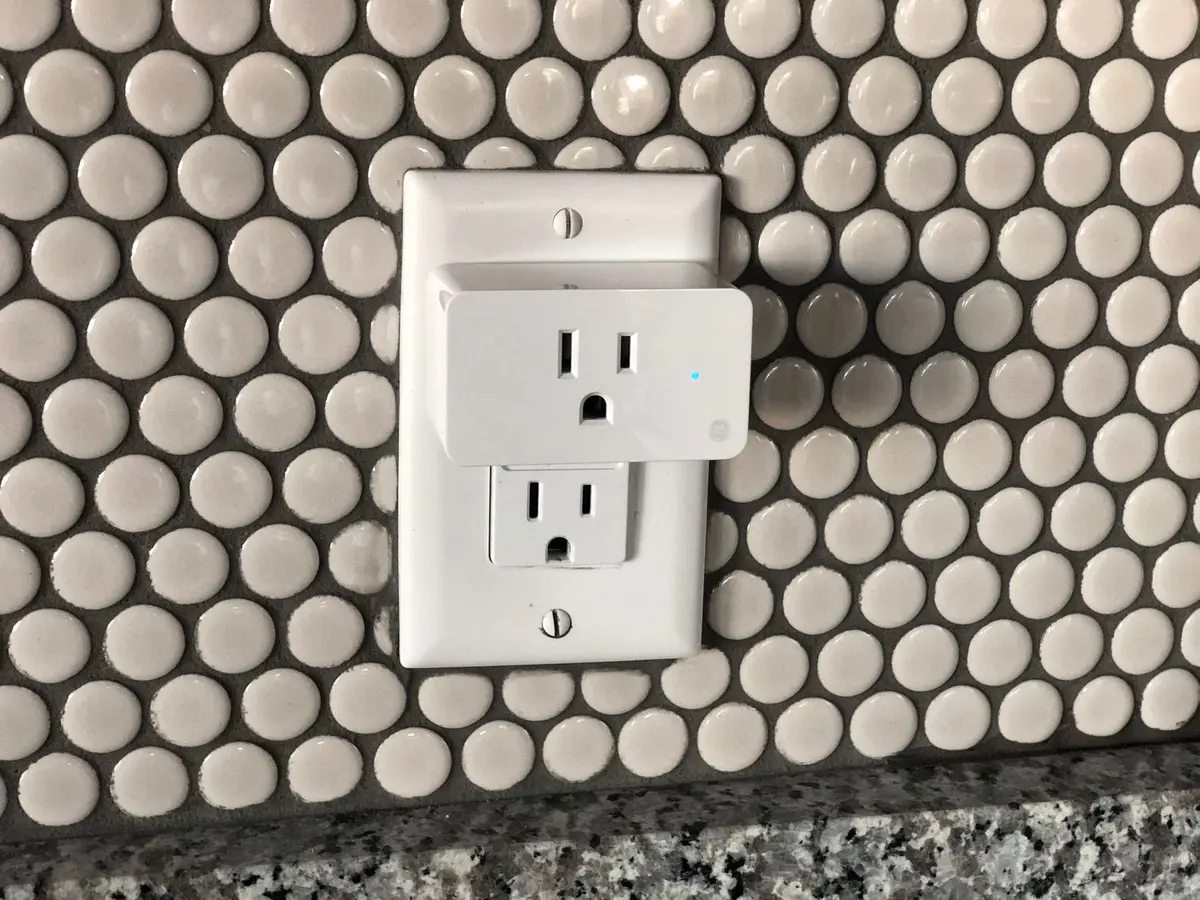
Measure the space around your wall outlet. Some smart plugs are bulky and will obstruct adjacent outlets on a standard duplex wall plate or power strip.
Note: If space is limited, seek 'slim' profile models that occupy only a single socket.Determine if energy monitoring is required
Decide if you need granular data on your power consumption. Plugs with energy monitoring chips track kilowatt-hour usage in real-time, which is essential for identifying vampire loads in your home.
Note: Energy monitoring features usually command a premium price point.Verify safety certifications
Only purchase plugs that carry verified safety marks such as UL, ETL, or CSA. These certifications ensure the device has passed rigorous electrical fire safety testing standards.
Note: Avoid unbranded hardware from unverified marketplaces.