Fix Bare Spots in Your Lawn
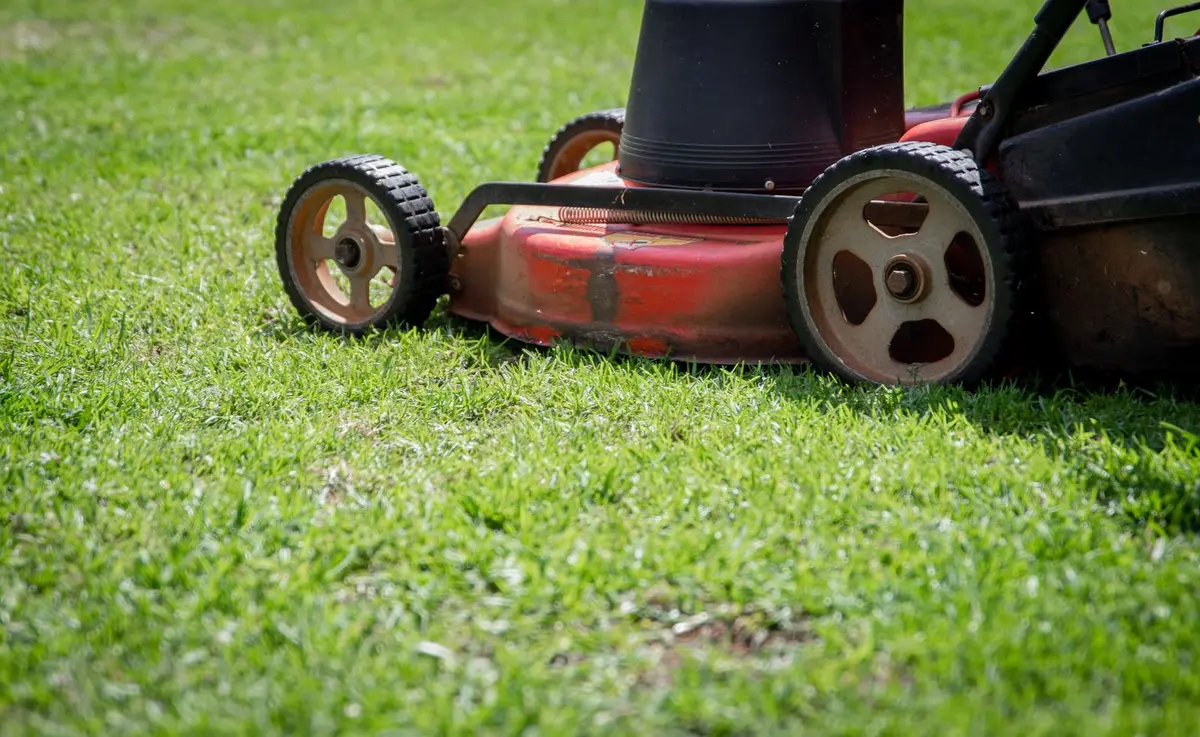
Rake bare spots to loosen compacted soil, spread grass seed that matches your existing lawn, cover lightly with topsoil or compost, and water daily until the new grass establishes.
- Difficulty
- Beginner
- Time
- 20 minutes per patch, plus 3-4 weeks of watering
- Cost
- $15 - $40
- Tools
- Garden rake, Hand cultivator or trowel, Hose with spray nozzle
- Permit required
- No
- Contractor recommended
- No
- You will need
- Garden rake or hand cultivator, Grass seed matching your lawn type, Topsoil or compost (½ cubic foot per 10 sq ft), Straw or seed mulch, Hose with spray nozzle, Starter fertilizer with phosphorus, Measuring tape or ruler
Materials
- 1 lb covers 200-400 sq ft for patching Grass seed matching your lawn type (Check the label for cool vs warm season and sun vs shade tolerance) — $8 - $18
- Half cubic foot per 10 sq ft of bare spots Topsoil or compost (Bagged topsoil is fine for small areas, bulk delivery for large jobs) — $4 - $12
- One bale covers 500 sq ft lightly Straw or seed mulch (Use weed-free straw, not hay, which contains weed seeds) — $6 - $12
- Small bag, applied after establishment Starter fertilizer with phosphorus (Look for N-P-K ratios like 18-24-12 labeled for new grass) — $8 - $15
Step by step
Find and Fix the Real Problem
Figure out why the grass died before you replant. Look for grubs, compacted soil, pet damage, or chemical spills. Rake away dead grass and debris down to bare soil. If the soil is hard-packed, score it with a rake or hand cultivator to create shallow grooves. This loosens the surface and gives new roots somewhere to go.
Tip: If you find more than five grubs per square foot, treat for grubs before reseeding or they'll eat the new roots.Build a Better Seedbed
Spread a half-inch layer of compost or topsoil over the bare area. If the spot is from chemical damage or pet urine, scratch in an extra inch of fresh topsoil to dilute the contamination. Work it in lightly with your fingers or a hand rake so you have a loose, level surface. The goal is friable soil that holds moisture but drains.
Tip: For urine spots, soak the area thoroughly before adding soil to leach salts deeper into the ground.Match Your Existing Grass
Buy seed that matches your existing lawn type. Cool-season lawns use perennial ryegrass, Kentucky bluegrass, or fescue blends. Warm-season lawns use Bermuda, zoysia, or St. Augustine. Read the label for sun or shade tolerance. Shady bare spots need shade-mix seed or they'll fail again.
Tip: Patch blends labeled for quick repair often contain fast-germinating annual ryegrass that looks good initially but dies out in a year.Embed Seed Into Soil
Scatter seed evenly over the prepared area at the rate listed on the bag for overseeding, usually half the rate for new lawns. Press the seed into the soil with the back of a rake or by walking on it. Good seed-to-soil contact is critical. The seed should sit in the grooves you made earlier, not on top of loose soil.
Tip: Spread seed in two passes at half-rate each, walking perpendicular directions to ensure even coverage.Shield Seed From Birds and Sun
Spread a thin eighth-inch layer of compost, topsoil, or straw over the seeded area. You should still see some seed through the covering. This keeps the seed moist and protects it from birds. Avoid peat moss, which forms a crust when it dries and blocks seedlings.
Tip: If you use straw, shake it out so it's fluffy and not matted, or it will smother the seedlings.Keep Soil Consistently Moist
Water the patch lightly two to three times daily to keep the top inch of soil consistently moist. You want damp, not soggy. Grass seed germinates in five to twenty days depending on type and temperature. Once seedlings appear, reduce watering to once daily, then every other day as the grass thickens.
Tip: Set a phone reminder for mid-morning and mid-afternoon watering, the two times patches dry out fastest.Mow High, Go Easy
Wait until new grass reaches three to four inches before mowing. Set the mower high and remove only the top third of the blade height. Mowing too early pulls seedlings out of loose soil. After the first mowing, treat the patched area like the rest of your lawn.
Tip: Walk around the patch for the first mow instead of over it to avoid tearing up grass that's not fully rooted.Strengthen Roots, Blend Colors
Apply a starter fertilizer with higher phosphorus after the new grass has been mowed twice. This strengthens root development and helps the patch blend in. Avoid high-nitrogen fertilizers in the first month, which push top growth before roots are established.
Tip: Feather the fertilizer application six inches beyond the patch edges so the color transition is gradual.
Questions people ask
Can I use sod instead of seed for bare spots?
Yes, especially for large areas or quick results. Cut the sod piece slightly larger than the bare spot, remove soil to make the patch level with surrounding grass, and press the sod firmly into place. Water heavily for two weeks. Sod costs more but establishes in half the time.
How long before I can let kids or dogs back on the patched area?
Keep traffic off for three to four weeks until grass reaches mowing height and roots are anchored. Before that, foot traffic pulls seedlings out of loose soil. Mark the area with stakes and string if you need a visual reminder.
Do I need to use starter fertilizer or can I use regular lawn fertilizer?
Starter fertilizer with higher phosphorus helps root development in new grass. Regular lawn fertilizer works but pushes leafy growth before roots are established, making seedlings more prone to drought stress. Use starter for the first application, then switch to regular fertilizer.
Troubleshooting
Seed washes away after heavy rain
Re-rake the area gently to redistribute seed, add a thin layer of topsoil, and consider temporary erosion netting for slopes.
Grass germinates but dies within two weeks
You're letting the soil dry out between waterings. Increase watering frequency and check soil moisture an inch deep, not just the surface.
New grass grows but stays thin and patchy
Soil is likely compacted underneath. Aerate the area with a hand aerator or garden fork, add more compost, and reseed.
Patched area grows faster and darker than surrounding lawn
New grass is responding to fresh soil and starter fertilizer. Color will even out after a few mowings as growth rates equalize.
Bare spot returns in the same location each year
The underlying cause wasn't addressed. Test for grubs, check for buried debris blocking roots, or plant a shade-tolerant variety if the area doesn't get enough sun.
More for the yard: lawn and garden repairs, spring lawn and garden cleaning and every lawn and garden guide.