How to Pick Your First HYSA Without Going Down a Rabbit Hole
The difference between the best rate and the tenth-best rate is smaller than you think. The difference between having one and not having one is the whole story. A high-yield savings account pays you a real rate on money that would otherwise sit in checking earning next to nothing.
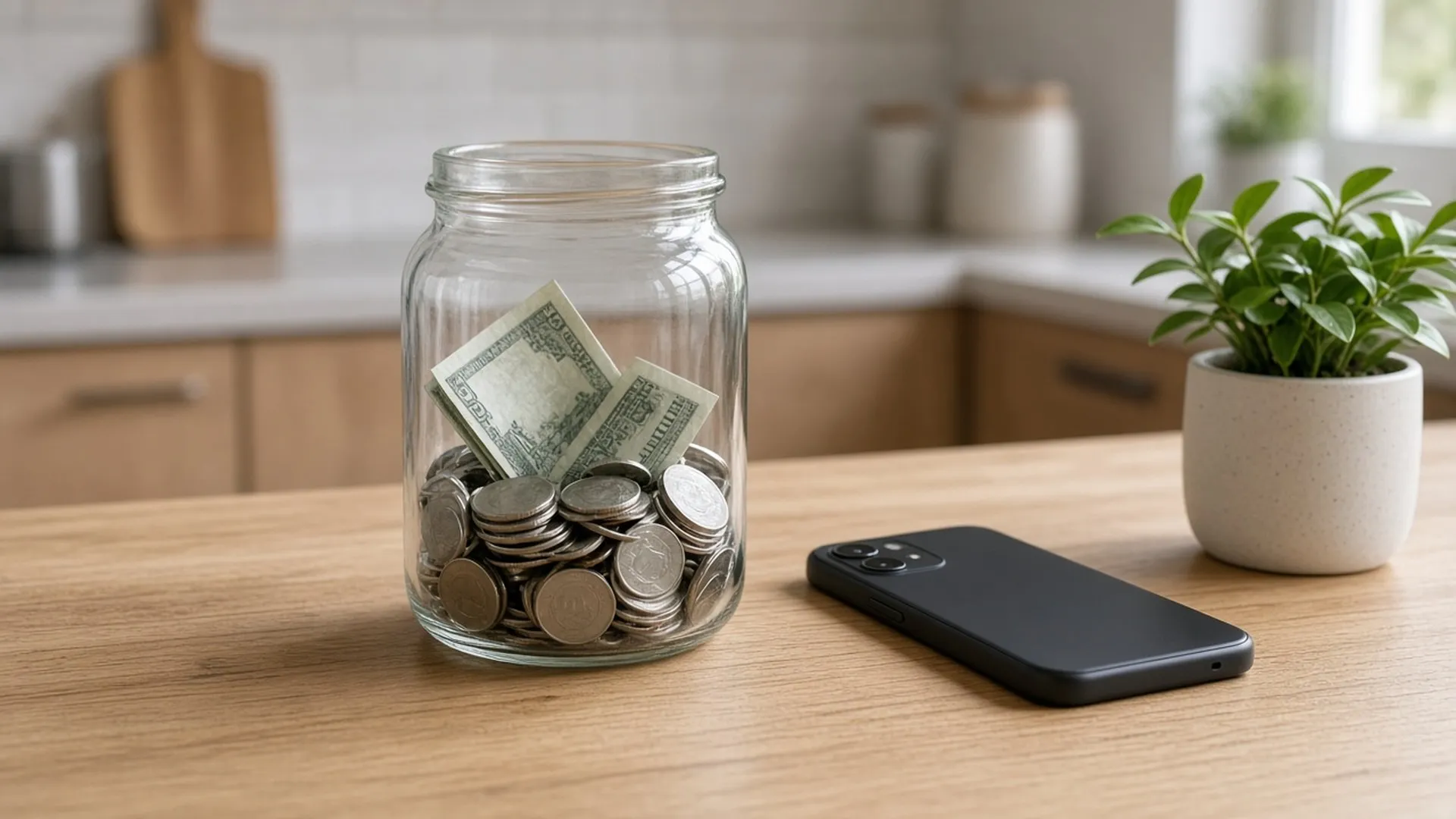
The difference between the best rate and the tenth-best rate is smaller than you think. The difference between having one and not having one is the whole story.
A high-yield savings account pays you a real rate on money that would otherwise sit in a checking account earning next to nothing. For comparison, the national average savings rate was 0.38% in October 2026 (FDIC national rates); the leading high-yield accounts pay far more. FDIC-insured, liquid, boring. The research rabbit hole is a trap. Here is the ten-minute version.
Search "best high yield savings account 2026" and open three or four from one reputable source.
NerdWallet, Bankrate, Investopedia — pick one. Do not open twelve tabs across six sources. The list from one good source is the list.
Eliminate anything well below the top rate.
Within about half a percentage point of the leader, you are fine. Chasing the last ten basis points on a $20,000 balance is optimizing for about twenty dollars a year. Do chase the first two hundred basis points.
Check the app-store rating. Eliminate anything below 4 stars.
You are going to move money in and out of this account. A one-star app with a thousand reviews about crashes matters more than the rate. Read the reviews before you open the account.
Pick the one that is easiest to link to your existing checking.
Same bank as checking means instant, free transfers. Different bank means one-to-two-day ACH. Neither is wrong — you just want to know which you are doing before the emergency, not during.
Open it. Transfer a test amount. Close the tabs.
The real mistake is not which one you picked. It is not opening one at all. Best HYSA is the one you open today; second-best is the one you open tomorrow. There is no twelfth-best.
One check before you fund it: who actually holds the money
Some savings accounts are offered by apps that are not banks themselves; they place your money at a partner bank. The FDIC is plain about the gap: deposit insurance does not protect against the insolvency or bankruptcy of a nonbank company, so identify the specific FDIC-insured bank that will hold your deposits and confirm it in the FDIC's BankFind tool (FDIC, Banking With Third-Party Apps). At an insured bank, coverage is up to $250,000 per depositor, per insured bank, for each ownership category (FDIC).
Read the withdrawal rules
The old federal cap of six convenient transfers a month from savings is no longer required: the Federal Reserve removed it from Regulation D in 2020, but banks may still keep their own limits or charge for extra transfers (Federal Reserve, Savings Deposits FAQs). Look for a per-month transfer limit or an excess-withdrawal fee in the fee schedule before you open the account.
Key figures
| YIELD EX. | $400 | e.g. $10,000 at 4% APY for one year |
|---|---|---|
| RATE GAP | SMALL | acceptable spread from the top rate |
| DECISION | 10 MIN | from tab to funded account |
A high-yield savings account pays you a real rate on money that would otherwise sit in a checking account earning next to nothing. For comparison, the national average savings rate was 0.38% in October 2026 (FDIC national rates); the leading high-yield accounts pay far more. FDIC-insured, liquid, boring. The research rabbit hole is a trap. Here is the ten-minute version.
— The one-sentence answer
Once it is open, this account is the natural home for the savings goals in the money foundations guides, and the quarterly money review is a sensible moment to check whether its rate has fallen well behind the leaders.