Mastering the Second-Day Hair Effect
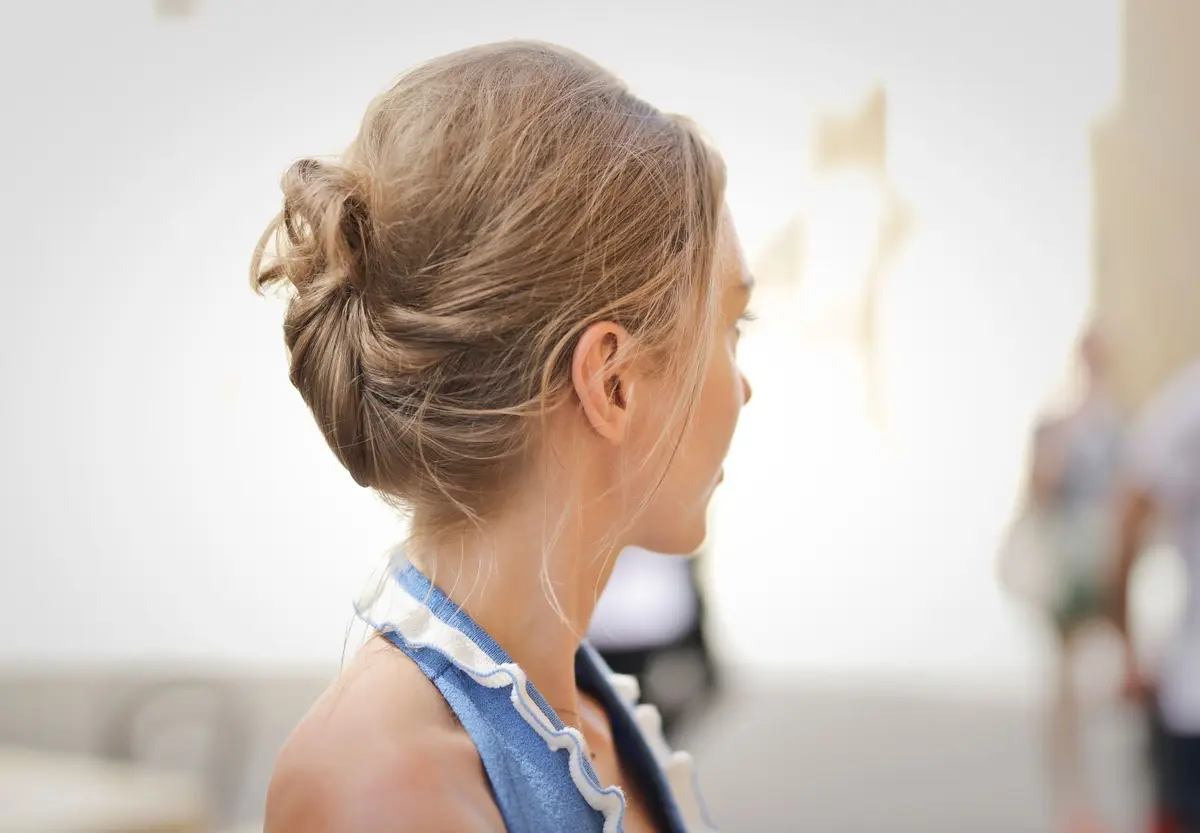
Freshly washed hair is often too slippery and soft to hold structural styles. By the second day, the scalp’s natural oils have traveled down the hair shaft, providing a slight coating that adds necessary grit, weight, and manageability. This transition period is when the hair is at its peak for styling versatility.
Understanding the mechanics of oil distribution allows you to leverage your natural cycle instead of fighting it. You are simply learning to balance hygiene with the practical requirements of your chosen hairstyle.
- Difficulty
- Beginner
- Total time
- 24 hours
- Cost
- Low
- Cadence
- Weekly
Ingredients
- Natural sebum: The primary lubricant that softens hair strands.
- Corn starch: The core of most dry cleansers for effective oil absorption.
Tools List
- Boar bristle brush
- Silk pillowcase
- Fine-mist water sprayer
Step by step
The initial blow-dry
When you wash your hair, ensure you dry it completely. Residual moisture creates frizz as the hair dries naturally overnight. Use a round brush to smooth the cuticle while the hair is damp, which sets a flat, controlled base for the next twenty-four hours.
Tip: Use a cool shot button at the end to seal the cuticle.Protect during sleep
Friction is the primary cause of damage and uneven texture. Wrap your hair in a silk or satin scarf, or use a pillowcase with a similar smooth finish. This prevents the hair from being tugged and keeps the natural oil distribution uniform.
Tip: Pull hair into a loose top knot to maintain volume.Assess the scalp
Upon waking, observe where the oils have migrated. Use a soft-bristled boar brush to distribute these oils from the roots toward the mid-lengths. This action acts as a natural conditioning treatment and adds a subtle luster to the hair.
Tip: Brush in long, steady strokes to avoid breakage.Strategic refreshing
If the roots appear heavy, apply a fine dusting of powder-based dry cleanser. Focus the product only on the areas where oil is excessive. Use your fingers to massage the product in, then let it sit for two minutes before brushing it through thoroughly.
Tip: Less product is always more effective than heavy layers.Restyling for structure
Use a medium-heat styling tool to touch up the ends. Since the hair has more natural hold now, you will find it stays in place with significantly less tension. Focus only on the face-framing pieces to restore a polished appearance.
Tip: Keep the iron moving to avoid heat indentation.
Trouble
What if my hair feels oily by midday on day two?
You may be touching your hair too often, transferring oils from your fingers. Try to keep your hands away from your face and hair during the day.
Is dry cleanser bad for the scalp?
Used moderately, it is a tool for absorption. It is only problematic if left for days without washing, as this causes buildup that interferes with follicle health.
Why does my hair look flat despite the oils?
Heavy conditioning products during the wash phase are often the culprit. Switch to a lightweight formula on wash day to allow for better texture on day two.
Should I brush my hair if it is curly?
Avoid brushes on curly textures. Use your fingers to gently separate sections or apply a light mist of water to revive the shape without disturbing the curl pattern.
The goal is not to hide the texture, but to direct it.
Texture is an asset. Learn to manage it rather than erase it.