How to Repair and Grow Out Damaged Hair Fast
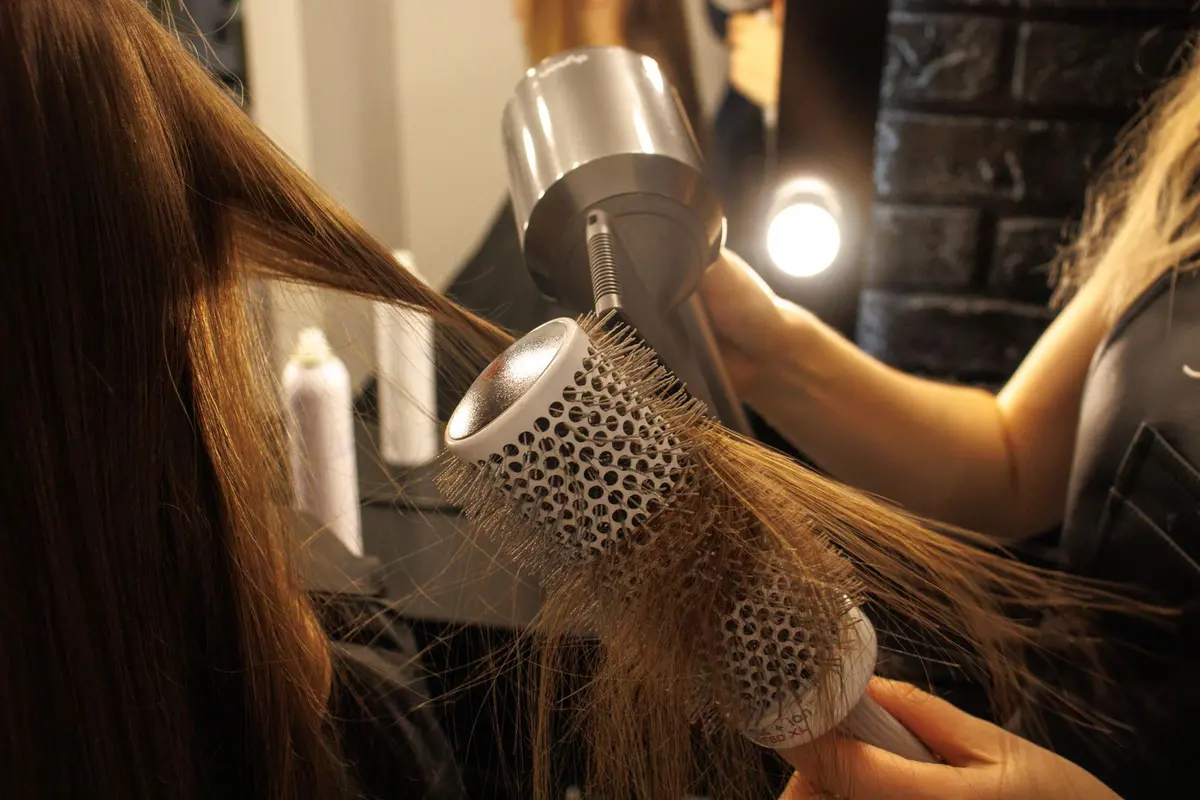
Growing out damaged hair requires consistent trims, protective styling, and gentle handling while new healthy hair emerges from the roots.
Step by step
Schedule regular micro-trims
Book appointments every 6-8 weeks to remove the most damaged ends without losing significant length. This prevents splits from traveling up the hair shaft and keeps your hair looking intentional during the grow-out phase.
Switch to protective styling
Choose low-manipulation styles like loose braids, buns, or silk scarves that keep ends tucked away. Heat styling and tight elastics will only create more damage on hair you're trying to preserve.
Gentle cleansing routine
Wash 2-3 times per week with sulfate-free shampoo, focusing on the scalp rather than lengths. Follow with a moisturizing conditioner from mid-shaft to ends where damage is most concentrated.
Sleep protection
Use a silk or satin pillowcase and loosely braid or wrap hair before bed. Cotton creates friction that leads to breakage, especially on already compromised strands.
Questions people ask
How long does it take to grow out damaged hair completely?
Hair grows about half an inch per month, so complete renewal depends on your current length—shoulder-length hair takes roughly two years.
Should I cut all the damage off at once?
Only if the damage is severe and you don't mind a dramatic length change—gradual trims are less shocking and more manageable.
Can damaged hair actually repair itself?
No, damaged hair cannot self-repair, but you can temporarily improve its appearance and prevent further damage while growing it out.
Variations
- Color-damaged hair: Use purple or blue shampoo weekly to maintain tone while growing out bleached sections.
- Heat-damaged hair: Implement a complete heat moratorium for 3-6 months to allow maximum recovery.
- Chemically processed hair: Focus on protein treatments every other week to rebuild structural damage.