Managing Your Big Chop: The First Six Weeks
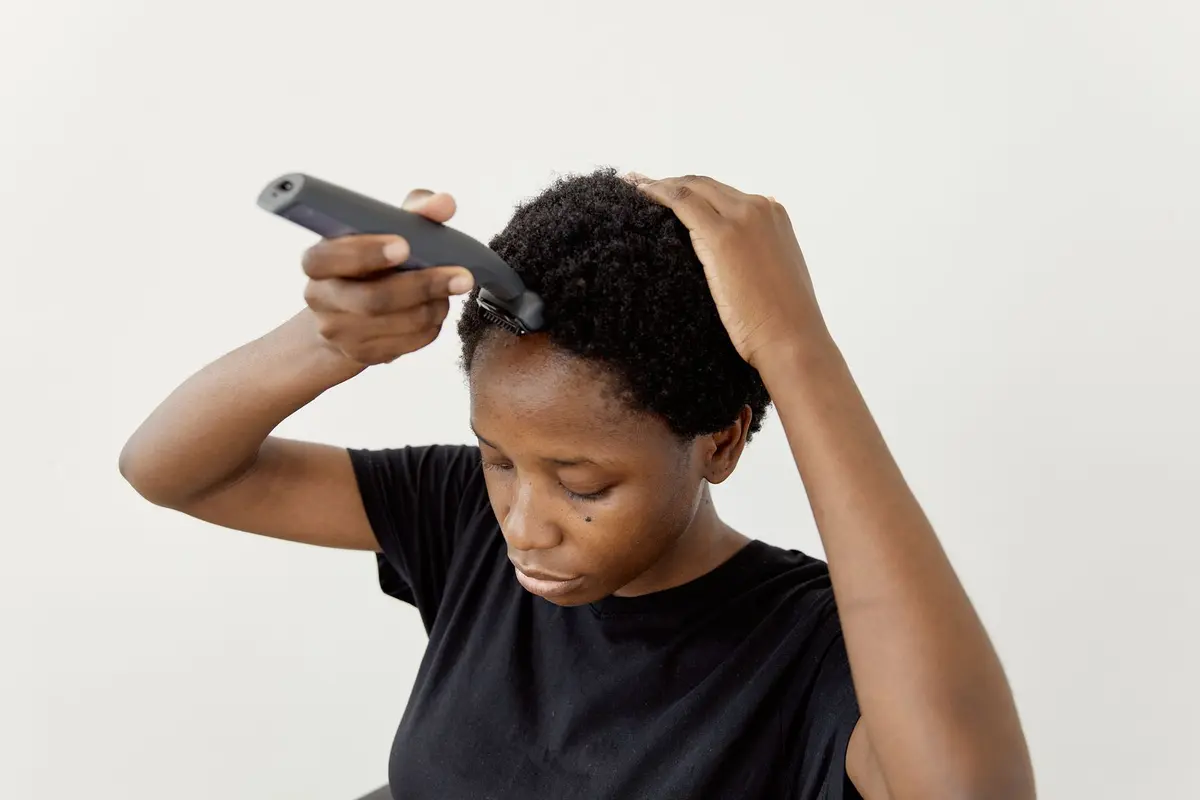
The big chop removes chemically processed lengths, leaving you with a short natural canvas. In the first six weeks, your focus shifts from manipulation to moisture retention and structural care. This period is defined by a lack of styling options and a heightened need for routine consistency.
Expect a transition in how your hair interacts with humidity and friction. Establishing a regimen now prevents breakage as the hair begins its natural growth cycle.
- Difficulty
- Beginner
- Total time
- 6 weeks
- Cost
- Minimal
- Cadence
- Daily maintenance
Ingredients
- Jojoba oil: Mimics natural scalp oils
Tools List
- Satin bonnet or pillowcase
Step by step
Prioritize hydration daily
Short natural hair dehydrates quickly. Apply a water-based leave-in conditioner every morning to seal the cuticle. Use a spray bottle to dampen the hair slightly before application if it feels brittle. Avoid heavy pomades which can weigh down emerging coils.
Tip: Finger-apply products to ensure even distribution through short lengths.Wash with gentle frequency
Cleanse your hair once a week using a sulfate-free shampoo. Focus on the scalp to remove buildup without stripping the hair of essential oils. Avoid overly vigorous scrubbing to prevent tangling near the roots. Rinse with cool water to encourage the cuticle to lay flat.
Tip: Use a wide-tooth comb only if necessary to detangle while saturated with conditioner.Seal with natural oils
Apply a lightweight oil such as jojoba or almond to seal in the moisture from your conditioner. Distribute a small amount through your palms and press it into the ends of the hair. This layer acts as a barrier against environmental dryness throughout the day. Do not over-saturate, as the hair requires room to breathe.
Tip: Less is more; start with a drop the size of a pea.Protect while sleeping
Reduce mechanical friction by sleeping on a satin or silk pillowcase. Alternatively, use a satin bonnet to keep the hair secure during the night. Avoid cotton pillowcases, which absorb moisture and create tension on short strands. This ensures your progress remains undisturbed until morning.
Tip: Ensure the bonnet is snug but not tight to avoid hairline pressure.
Trouble
My hair feels dry by midday, what should I change?
Increase your daily water intake and ensure you are using a cream-based leave-in rather than a spray alone. Consider adding a light oil over the cream to lock in the hydration.
Is it normal to see breakage?
Minor shedding is natural, but actual breakage suggests too much mechanical manipulation. Stop using fine-tooth combs and avoid over-brushing the hair.
Can I use heat tools to style?
Avoid heat tools entirely during the first six weeks. Your hair is in a delicate state of transition and requires time to recover without the stress of thermal styling.
How do I deal with the 'awkward stage' of growth?
Accept the texture as it is. Wear headbands or scarves if you feel uncomfortable, but avoid tight styles that pull on the roots.
Consistency is the primary factor in healthy hair growth during the post-chop phase.
The first six weeks are about observing your natural pattern without intervention.