Protecting Vivid Hair From UV Exposure
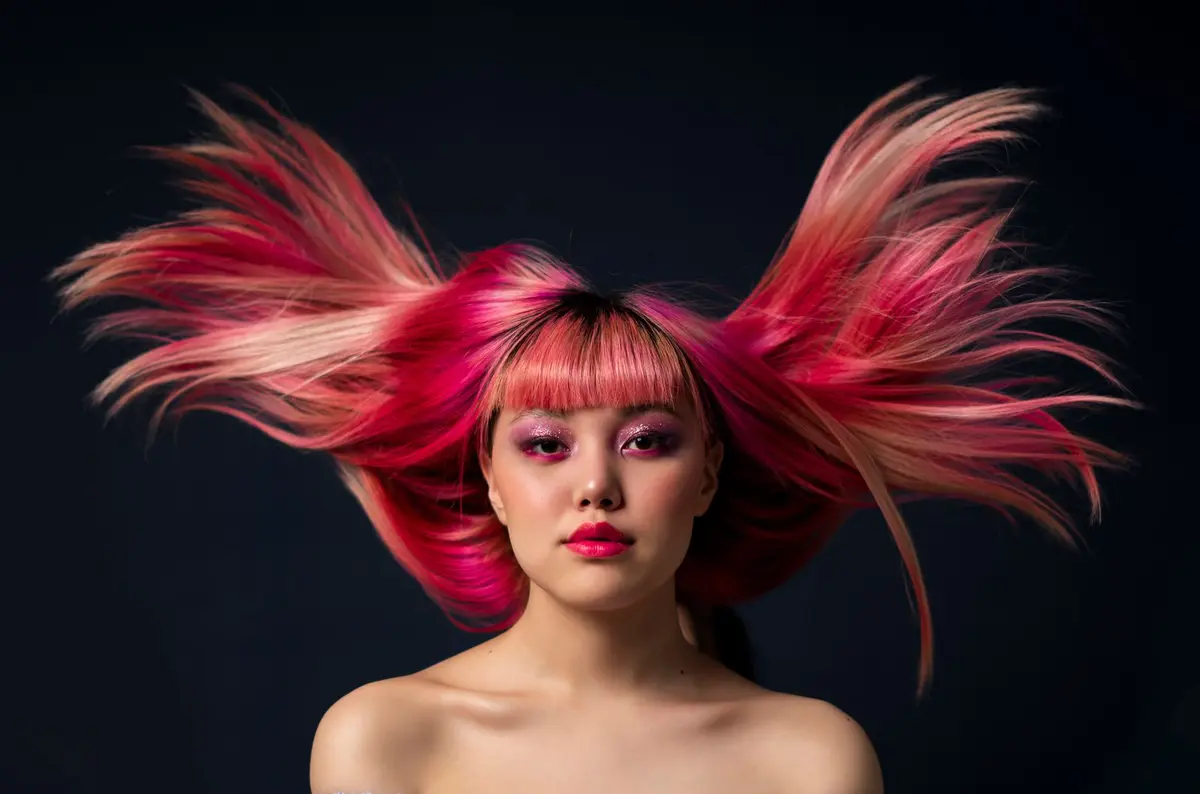
Vivid hair dyes, characterized by their high-pigment, semi-permanent molecules, operate by depositing colour on the hair cuticle rather than penetrating the cortex. This makes them inherently susceptible to oxidative stress caused by ultraviolet light, which breaks down pigment bonds and leads to rapid desaturation. Maintaining vibrancy requires a combination of physical obstruction and controlled hydration.
Environmental exposure is the primary culprit behind muted tones and brassiness in cool-toned vivids. By adjusting your daily routine to include UV-blocking textiles and moisture-locking agents, you can preserve the depth of the initial application.
- Difficulty
- Beginner
- Total time
- 15 minutes daily
- Cost
- Low to moderate
- Cadence
- Every morning during summer months
Ingredients
- Humectants: Retains moisture in the hair shaft
- Silicones: Provides a smooth, protective barrier
Tools List
- UV-protecting leave-in spray
- Wide-tooth comb
- Silk scarf
- Lightweight hair oil
Step by step
Apply a UV-protecting leave-in
Select a leave-in conditioner formulated with chemical UV filters. Work a small amount through the mid-lengths and ends using a wide-tooth comb to ensure even distribution. Avoid applying product directly to the scalp, as this can lead to unnecessary buildup.
Tip: Distribute product while hair is damp to maximize penetration.Style with physical coverage
Whenever possible, use a wide-brimmed hat or a silk scarf to create a physical barrier between your hair and direct sunlight. If you must have your hair exposed, keep it in a protective style like a loose bun or braid to minimize the surface area exposed to UV rays.
Tip: Silk reduces friction, which prevents cuticle fraying.Rinse with cool water post-exposure
After extended time outdoors, rinse your hair with cool water to remove surface impurities and environmental pollutants like salt or chlorine, which amplify the drying effects of the sun. Avoid using shampoo during this intermediate rinse to prevent over-stripping the colour.
Tip: Cool water helps to seal the hair cuticle.Seal with a humectant-based oil
Apply a few drops of lightweight hair oil to the ends to lock in moisture and create a glossy finish. This helps to counteract the brittleness often caused by solar heat exposure. Focus only on the last two inches of the hair.
Tip: Warm the oil between your palms before application.
Trouble
Why does my hair still feel dry after using oil?
Oils are sealants, not moisturizers. If your hair is dry, you must first introduce hydration through a water-based leave-in conditioner before sealing it with oil.
Are UV filters in hair products effective?
They provide a layer of mitigation against mild exposure. They cannot replace the protection provided by a hat or shade in high-UV index conditions.
Can I use sunscreen on my hair?
No. Standard skincare sunscreen is often too viscous and will cause significant buildup, stickiness, and potential dulling of the vivid dye.
Does chlorine speed up fading?
Yes. Chlorine is an oxidizer that strips artificial pigments rapidly. Always rinse your hair with fresh water before and after swimming.
Physical barriers are the most consistent way to prevent pigment breakdown from sunlight.
Consistency in maintenance is more effective than corrective treatments.