UV Hair Protection: Strategy and Execution
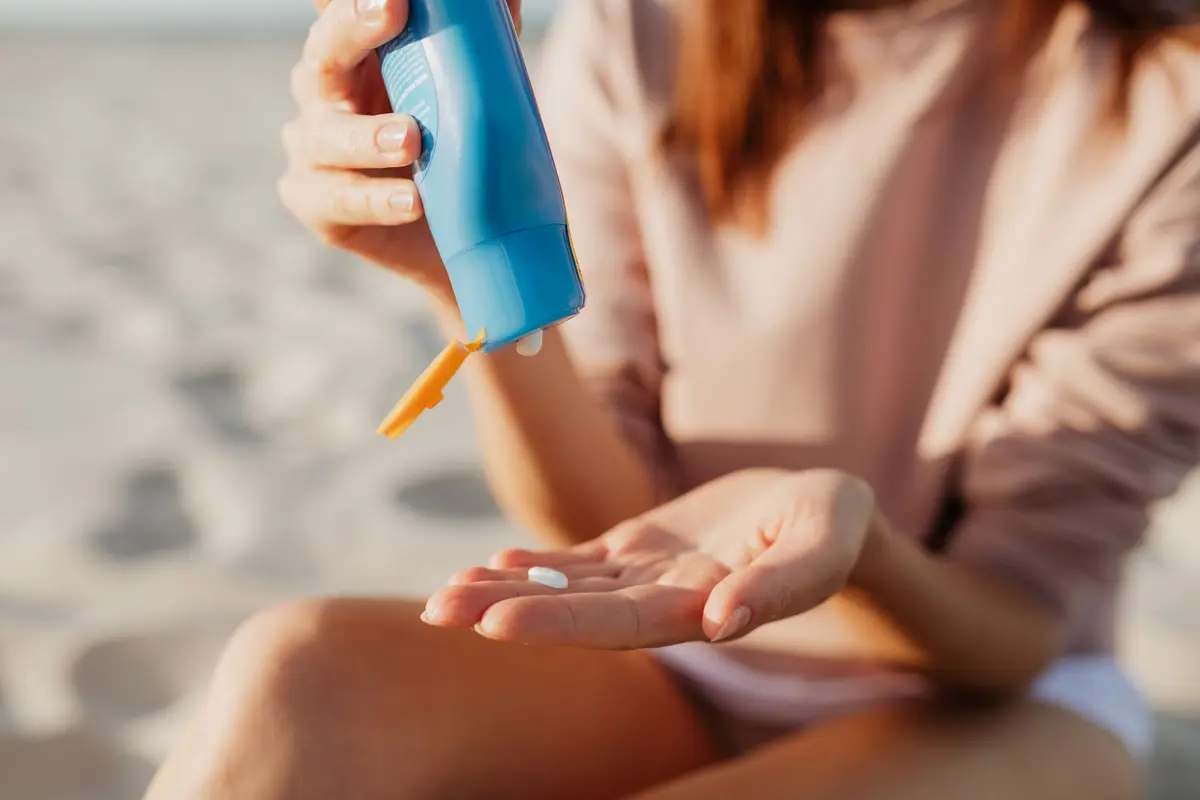
Exposure to direct sunlight accelerates the degradation of artificial pigment in hair through oxidation. While dyed hair is prone to this color shift regardless of environment, the sun provides a consistent catalytic force that strips moisture and lightens tone prematurely. The objective of UV protection for hair is not total prevention, but rather the reduction of exposure through layering techniques.
True protection relies on a hierarchy of methods. Physical barriers such as hats or scarves remain the gold standard, followed by the application of products designed to form a film over the hair cuticle. Relying on topical products alone provides incomplete results, as consistency and saturation are difficult to maintain in outdoor conditions.
- Difficulty
- Beginner
- Total time
- 15 minutes of prep daily
- Cost
- Low to moderate
- Cadence
- Daily during peak UV index months
Ingredients
- Polymers: Forms a microscopic film over the hair.
- Panthenol: Maintains moisture levels to counter heat-induced dryness.
Tools List
- UV-protective hair mist (non-aerosol preferred)
- Wide-brimmed, breathable hat
- Fine-tooth comb
- Sulfate-free cleansing rinse
Step by step
Apply a UV-barrier mist to dry hair
Before leaving your home, lightly coat your mid-lengths and ends with a dedicated UV-protective spray. Focus specifically on the top sections of the hair, which receive the highest intensity of light. Allow the product to dry completely before brushing, as hair is most susceptible to mechanical stress when damp or coated in heavy product.
Tip: Do not saturate, as excess product can lead to unwanted texture changes.Position your part
The hair part is a high-exposure zone that often reveals scalp and root discoloration first. If you wear a distinct side part, consider moving it to the center or a different position to minimize the consistent sun damage to the same hair fibers. This simple shift distributes the light load across the surface of the head.
Tip: Use a fine-tooth comb to ensure a clean, precise part.Implement a physical barrier
No topical spray offers the same efficacy as a physical shield. A hat with a brim or a tightly woven scarf physically obstructs UV rays from reaching the cuticle. When in high-UV environments, prioritize these accessories over styling products alone, as they function regardless of product evaporation or sweat.
Tip: Choose a breathable fabric like cotton to prevent heat buildup.Refresh the barrier
If you are outdoors for an extended duration, reapply your protective mist every two hours. As sweat and environmental humidity degrade the chemical filter film on the hair, a light mist acts as a refresher. Focus strictly on the exterior canopy of the hair, as the internal layers are largely shielded by the top section.
Tip: Avoid alcohol-based aerosols, which can further dry the hair.Post-exposure rinse
After returning indoors, rinse your hair with cool water to remove surface pollutants and sweat. If you spent the day in salt water or pool water, use a gentle clarifying agent to neutralize residue before it can react with your hair color. This reset step ensures your hair remains receptive to the next day's protection.
Tip: Cool water helps seal the cuticle for added shine.
Trouble
Does my hair need SPF like my skin?
Hair is comprised of dead protein cells that do not require sunscreen for health, but rather for aesthetic pigment protection.
Why is my blonde hair turning orange?
Exposure to UV light accelerates the oxidation of remaining yellow/orange pigments in bleached hair. Consistent use of a physical barrier is the only way to effectively prevent this shift.
Can I use facial SPF on my hair?
Do not apply facial sunscreen to your hair. These formulas are designed for skin absorption and will leave hair heavy, tacky, and difficult to cleanse.
Does wearing a hat cause hair loss?
A loose-fitting hat does not cause hair loss. If you use restrictive headwear that pulls at the hairline, you risk mechanical breakage, not biological hair loss.
A hat is an absolute; a spray is a supplement to your maintenance routine.
Prevention is always more effective than attempting to correct oxidized color after the fact.
Related: colour fade, tinting hair darker at home and colour and treatment.