A Guide to Sulfate-Free Cleansing for Oily Scalps
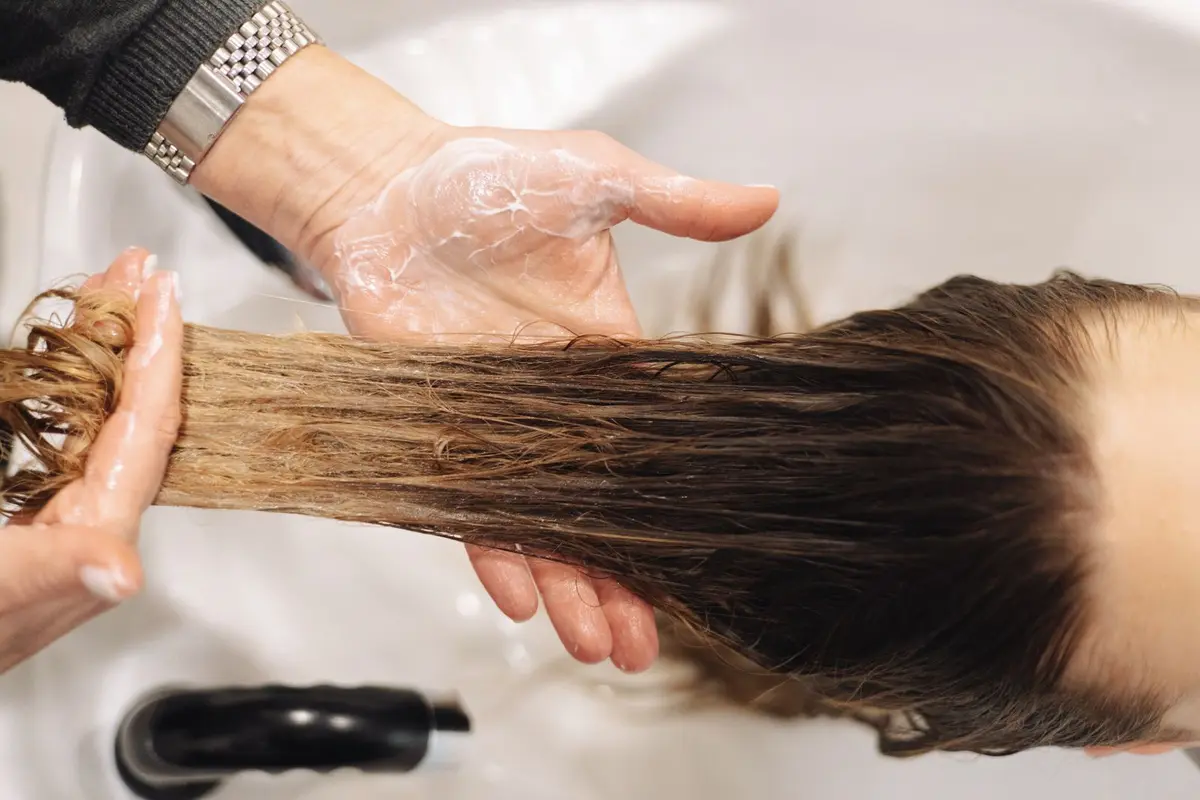
The primary function of a shampoo is to remove excess sebum, environmental particulates, and product buildup from the scalp. Sulfates are surfactants commonly employed for this purpose due to their high foaming capacity and efficacy in breaking down lipids. When transitioning to a sulfate-free formulation, the objective is to maintain this cleanliness without the stripping effect that often causes the scalp to overcompensate with increased oil production.
Understanding the efficacy of sulfate-free options requires a shift in washing technique. Because these formulas lack the aggressive degreasing agents found in traditional shampoos, the mechanical action of the hands becomes the primary tool for scalp purification.
- Difficulty
- Beginner
- Total time
- 30 minutes
- Cost
- Moderate
- Cadence
- Twice weekly
Ingredients
- Cocamidopropyl Betaine: A gentle secondary surfactant that cleanses without stripping.
Tools List
- Sulfate-free, oil-control shampoo
Step by step
Saturate with lukewarm water
Begin by rinsing your hair for a full sixty seconds to ensure the hair shaft is completely saturated. Warm water helps to loosen surface oils before the surfactant is applied. Do not skip this step, as water serves as the primary solvent in a sulfate-free routine.
Tip: Higher water temperatures can stimulate oil glands.Dilute and distribute
Pour a nickel-sized amount of sulfate-free shampoo into your palm and emulsify it with a small amount of water before application. Focus the product strictly on the scalp, using your fingertips to massage in small, circular motions. Avoid piling the hair on top of your head, which causes tangling and prevents the formula from reaching the scalp surface.
Tip: Use a scalp massager if you require deeper agitation.The double-cleanse
Rinse thoroughly, then repeat the application process if you feel the hair is not yet clean. The first wash usually removes surface debris, while the second wash addresses the scalp environment directly. It is common for the second wash to produce slightly more foam than the first.
Tip: Ensure the water runs clear between applications.Conditioning the ends only
Apply a lightweight conditioner solely to the mid-lengths and ends of the hair. Keep the product at least three inches away from the scalp to prevent premature oiliness. Rinse with cool water to seal the cuticle and add natural luster.
Tip: If your hair is fine, skip conditioner every other wash.
Trouble
My hair feels greasy immediately after washing.
This is often due to insufficient rinsing. Ensure you are spending double the time rinsing as you are lathering, particularly at the nape of the neck.
Is the lack of foam a sign that it is not working?
No. Foam is a byproduct of sulfates and does not correlate with cleansing power. Focus on the physical friction of your massage to lift oils.
Can I use dry shampoo in between washes?
Yes, but use it sparingly. Excessive dry shampoo creates a film that makes future washing more difficult. Brush it out thoroughly each evening.
What if my scalp still feels oily by noon?
Consistency is required for the scalp to recalibrate. If you continue to struggle, check that your conditioner is not touching your roots, which is the most frequent cause of excess sebum.
The efficacy of a sulfate-free cleanser relies on technique rather than chemical aggression.
The transition period is real—give your hair fourteen days to adjust.