A Guide to Chelating Shampoos
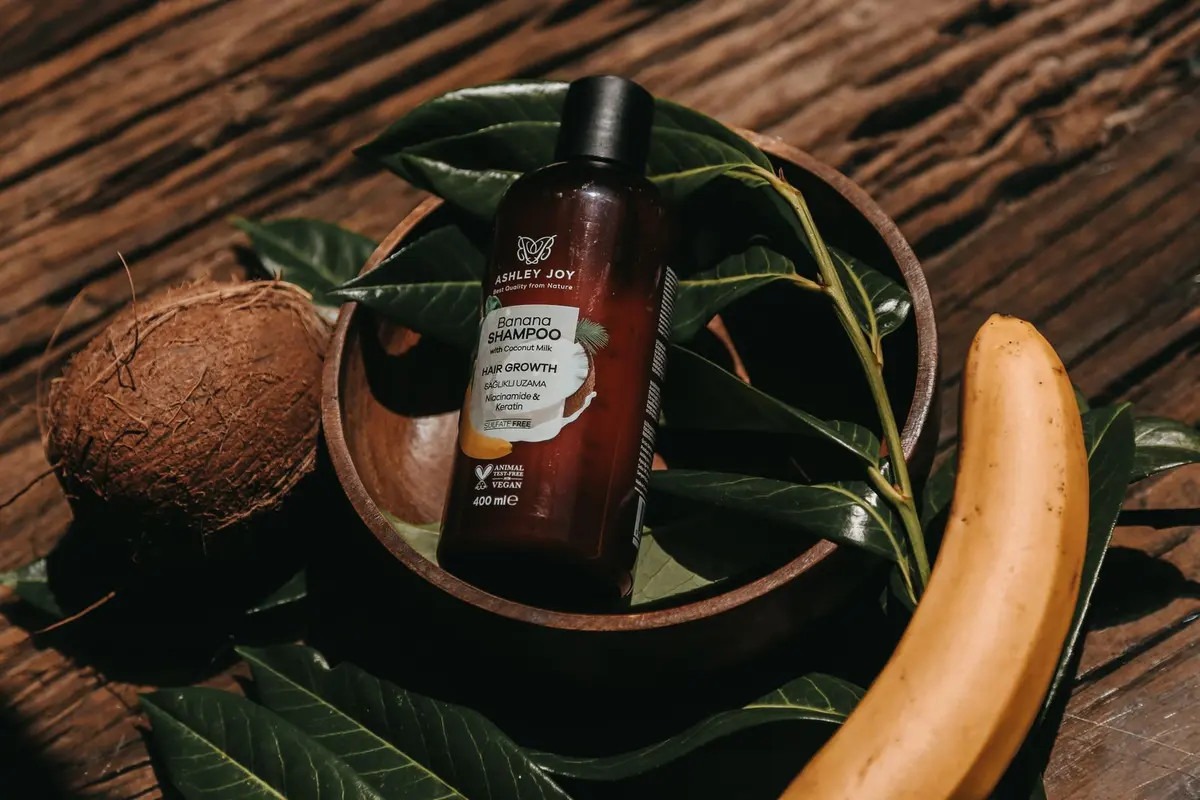
Hard water contains minerals such as calcium, magnesium, and copper. Over time, these particles adhere to the hair shaft, creating a film that masks your natural colour and interferes with how light reflects off the strands. This build-up often appears as a dull, matte finish or an unintended shift in tone for dyed hair.
A chelating shampoo is designed to bind to these metal ions and lift them away during the rinsing process. Unlike a standard clarifying shampoo, which primarily removes oil and product residue, a chelating formula acts as a magnet for mineral deposits. Using this tool strategically restores texture and helps maintain the vibrancy of your colour treatment.
- Difficulty
- Beginner
- Total time
- 15 minutes
- Cost
- Moderate
- Cadence
- Once every two weeks
Ingredients
- EDTA (Tetrasodium or Disodium): The primary ingredient that binds to mineral ions.
- Sodium Citrate: Assists in stabilizing the pH and aiding the chelation process.
Tools List
- Chelating shampoo
- Deep conditioning masque
- Wide-tooth comb
Step by step
Saturate the hair completely
Begin by thoroughly wetting your hair with warm water. Ensure the water reaches the hair at the nape of the neck and the crown. If the hair is not saturated, the surfactant will not distribute evenly.
Tip: Use warm, not hot, water to open the cuticle.Apply to the scalp and lengths
Pour a coin-sized amount into your palm and emulsify. Massage the product into the roots and work the remaining lather through to the ends. Focus on areas where mineral build-up is most visible.
Tip: Avoid aggressive scrubbing to prevent tangling.Allow for dwell time
Do not rinse immediately. Let the shampoo sit on the hair for three minutes to allow the chelating agents to react with the mineral deposits. This pause is essential for effective removal.
Tip: Keep hair flat to avoid excessive knots.Rinse thoroughly
Rinse the hair until the water runs completely clear. Check that no suds remain around the hairline or ears. Residual product can cause temporary dryness.
Tip: Rinse for thirty seconds longer than you think is necessary.Follow with hydration
Chelating removes minerals, which can also deplete natural moisture. Always follow with a deep conditioner or a high-quality masque to replenish the hair shaft. Apply from mid-lengths to ends, then rinse.
Tip: Use a wide-tooth comb to distribute the conditioner.
Trouble
How often should I use this?
For most, once every two weeks is sufficient. If your water source is exceptionally hard, you might increase this to once a week.
Can I use this after I colour my hair?
Wait at least two weeks after a colour service. Chelating can prematurely fade fresh dye if used immediately.
Does this replace my regular shampoo?
No. Use this as a specialized treatment. It is too stripping for daily use and should remain part of a rotational routine.
My hair feels brittle after the process.
You likely skipped the deep conditioning step. Always balance the chelating process with a hydrating mask.
Chelating is a targeted reset, not a daily necessity.
Use this only when you notice a lack of shine or a change in your hair's manageability.